
Sauces & Condiments
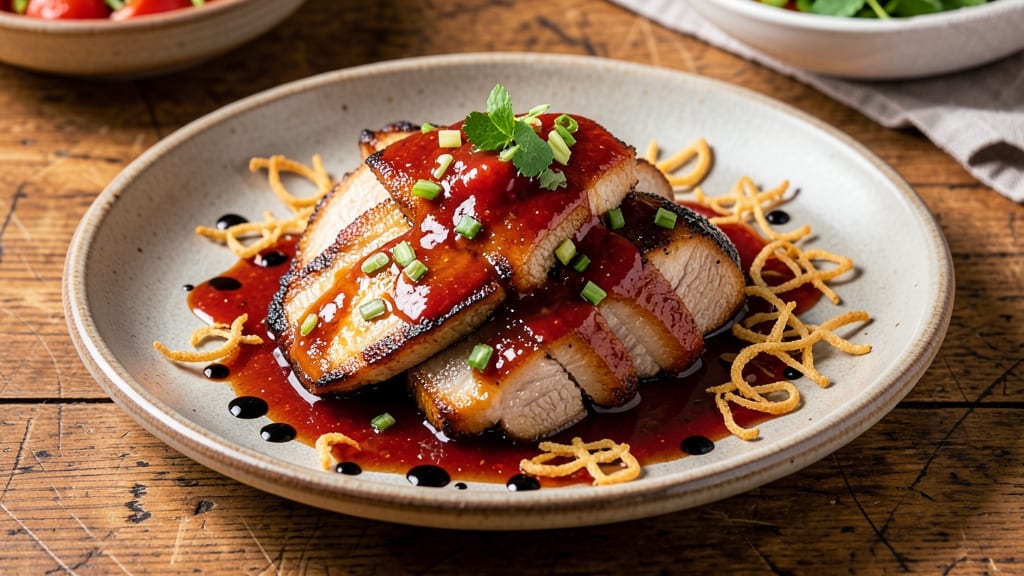
This Babi Pangang sauce recipe transforms grilled pork into a smoky-sweet masterpiece with just a few pantry staples and 20 minutes of simmering. The secret lies in balancing tangy vinegar, rich soy sauce, and caramelized garlic-ginger for that signature Filipino depth.
I've perfected this sauce over years of backyard barbecues, where it elevates simple pork skewers into restaurant-worthy bites.
The sauce begins with a fragrant base of garlic and ginger, toasted until aromatic before being deglazed with vinegar to create a bright, acidic foundation. Tomato paste and soy sauce deepen the flavor while reducing into a glossy, velvety consistency.
A touch of brown sugar adds subtle sweetness that caramelizes beautifully when brushed onto hot pork.
What you'll end up with is a sauce that's equally at home as a marinade or a post-grill glaze—smoky from the grill's char, sweet from the caramelized aromatics, and tangy from the vinegar.
The texture is just thick enough to cling to pork without overwhelming it, creating every bite into a perfect harmony of flavors.
This sauce keeps well in the refrigerator for up to a week, making it perfect for meal prep or feeding a crowd. The versatility extends beyond pork too—it works beautifully with chicken, tofu, or even as a dipping sauce for spring rolls.
Let's make this sauce that brings Filipino flavor to your table.
Ingredients for babi pangang sauce
Nine pantry staples that transform into the ultimate grilled pork sauce.
| Ingredient | Amount | Notes |
|---|---|---|
| Garlic Cloves 🧄 | 6 cloves | Minced for aromatic base |
| Fresh Ginger 🌿 | 2 tbsp | Grated, no skin |
| Cane Vinegar 💧 | ½ cup | White vinegar works too |
| Tomato Paste 🍅 | 2 tbsp | San Marzano preferred |
| Soy Sauce 🍶 | ¼ cup | Light or dark variety |
| Brown Sugar 🍯 | 2 tbsp | Light or dark |
| Olive Oil 🫒 | 2 tbsp | Light for neutral flavor |
| Black Peppercorns 🌶️ | ½ tsp | Freshly cracked |
| Salt 🧂 | 1 tsp | Diamond Crystal preferred |
| Water 💧 | ¼ cup | Room temperature |
The garlic and ginger are your flavor anchors here. Fresh is non-negotiable—dried or powdered won't give that toasted aroma. I grab my garlic from the Asian market section where it's often fresher, but any grocery store bulb works. For ginger, look for firm, bumpy pieces with no soft spots. Trader Joe's usually has great ginger, but the regular produce section at Kroger or Walmart is fine too. Toast these aromatics in olive oil until fragrant—don't skip this step, it's what builds the sauce's depth.
No cane vinegar? White vinegar or apple cider vinegar will work in a pinch, but cane vinegar has that authentic Filipino tang. Swapping tomato paste? Fresh tomato sauce at half the amount gives a brighter flavor, but it'll be thinner. The soy sauce can be light or dark—dark adds molasses notes, light keeps it cleaner. Brown sugar substitutes? Honey or maple syrup in equal amounts, but honey might overpower slightly. For the peppercorns, a quick pulse in a mortar or coffee grinder gives you that fresh crack—pre-ground loses potency fast.
This sauce keeps beautifully for 1 week in the fridge, sealed tight in a jar. The flavors actually deepen overnight, so make it a day ahead if you can. For longer storage, freeze in ice cube trays—perfect for single-use portions. Reheat gently on low heat, stirring occasionally. The sauce thickens as it cools, so add a splash of water if it gets too stiff. I always make double batches—one for the grill, one for leftovers—because it disappears fast.
Why You'll Love This Recipe
- Five-Ingredient Magic: That’s it—just garlic, ginger, vinegar, tomato paste, and soy sauce. No fancy pantry raids or last-minute grocery runs. Honestly, I keep everything in my fridge freezer already, so I’m making this midweek without stress.
- Umami Bomb: The soy sauce and tomato paste team up for that deep, savory punch, while the cane vinegar cuts through the richness—like a perfect balance of sweet, tangy, and salty. Between us, it’s the kind of flavor that makes you want to lick the pan.
- Weeknight Workhorse: Slap this sauce on grilled pork, stir-fry veggies, or even toss it with rice for a quick meal. I’ll be real: it’s my go-to when I’m too tired to plan but still want something that feels intentional. (Yes, even on a Tuesday night.)
- Sauce That Lasts: Make a double batch—this stuff keeps for days in the fridge and freezes like a dream. My college-student kid brings it to school for stir-fries, and I still have jars of it months later. Budget-friendly? More like budget genius.
Step-by-step instructions for babi pangang sauce
This smoky-sweet sauce comes together quickly with bold flavors that complement grilled pork perfectly.
Bloom the Aromatics in Olive Oil
Heat the 2 tablespoons olive oil in a medium saucepan over medium-low heat. Add the 6 cloves minced garlic cloves and 2 tablespoons grated fresh ginger, stirring constantly for 2-3 minutes until fragrant and just beginning to color. You'll smell that aromatic punch—this is where the sauce builds its depth.
Watch carefully to avoid burning; garlic turns bitter quickly. If the mixture starts to sizzle too aggressively, reduce heat slightly. The goal is to develop flavor without color—this ensures the sauce remains bright and fresh-tasting rather than bitter.
Add Tomato Paste and Cook Until Deepened
Stir in the 2 tablespoons tomato paste and cook for 3-4 minutes, stirring frequently, until it darkens slightly and loses its raw floury texture. This step transforms the paste into a rich, concentrated base that will carry the sauce's smoky-sweet character.
The paste should coat the back of a spoon and develop a glossy sheen. If it sticks to the pan, add 1 tablespoon water to loosen it. This is your flavor foundation—don't rush it, as proper development here makes all the difference in the final sauce.
Build the Sauce with Vinegar and Soy
Pour in the ½ cup cane vinegar and ¼ cup soy sauce, stirring to combine. Let the mixture simmer gently for 5-6 minutes until it reduces by about ¼ and thickens slightly. You'll notice the sauce becoming glossy and slightly syrupy—this is when the flavors meld together beautifully.
Here's the thing—don't walk away. The sauce needs constant attention to prevent scorching. If it reduces too quickly, add 1 tablespoon water to maintain moisture while concentrating the flavors. The balance of vinegar's tang and soy's umami is what makes this sauce sing.
Sweeten and Season to Perfection
Stir in the 2 tablespoons brown sugar and ½ teaspoon cracked black peppercorns, followed by the 1 teaspoon salt. Simmer for an additional 3-4 minutes until the sugar dissolves completely and the sauce reaches your desired consistency—it should coat the back of a spoon but still be pourable.
Taste and adjust seasoning if needed. I often add a pinch more salt or a splash of vinegar for brightness. The sauce should be perfectly balanced between sweet, smoky, and tangy. Let it cool slightly before serving—this allows the flavors to fully settle and develop.
Finish with Water for Ideal Texture
Add the ¼ cup water and stir well. The sauce should now be smooth, glossy, and ready to glaze your grilled pork. This final step ensures the sauce has the perfect consistency—thick enough to cling to meat but still flowing enough to drizzle.
Use immediately over grilled pork slices or store in an airtight container in the refrigerator for up to 5 days. When reheating, warm gently over low heat and add a splash of water if it thickens too much. This sauce is magic on its own, but it truly shines when paired with tender, charred pork.
Pro Tips For Making Babi Pangang Sauce
- Sear the Garlic First: I used to toss everything in at once and ended up with bitter, raw garlic flavors. Instead, heat your pan on medium-high, add the minced garlic (and ginger if using) with a splash of oil, and cook until they’re golden—not browned, just fragrant and slightly crisp at the edges. This takes 2-3 minutes, but it’s the thing that makes the sauce sing.
- Use Thick Tomato Paste: Thin paste? Skip the water. Thick paste (like the kind in a brick) gives you a richer, glossier sauce with less mess. Stir it in after the garlic and ginger, let it cook for 30 seconds to toast slightly before adding liquids—this stops it from clumping and adds depth.
- Balance the Vinegar: Cane vinegar is potent—add it gradually. Start with 1 tablespoon, taste, then adjust. If the sauce tastes harsh, a pinch of sugar (½ tsp) or another splash of soy sauce smooths it out. I learned this the hard way after serving a batch that made my friends’ eyes water.
- Simmer, Don’t Boil: Once you add the soy sauce and vinegar, keep the heat low and let the sauce bubble gently. Boiling burns the tomato paste and makes the sauce taste flat. A slow simmer (5-7 minutes) lets the flavors meld without turning bitter—yes, even if it means staring at the pot like it’s your job.
Common mistakes when making perfect results
Skipping the Aromatic Bloom
I can't stress this enough—toasting your garlic and ginger in olive oil is where the sauce's soul lives. Too many people rush this step, adding everything at once and ending up with a flat, one-dimensional sauce.
Let those aromatics cook until fragrant but not browned—about 2-3 minutes over medium-low heat. The toasted aroma builds depth that no raw garlic could ever replicate. 🌿
Over-Reducing the Sauce
Watch that sauce like a hawk once you add the vinegar and soy sauce. It's easy to let it reduce too much, turning your glossy glaze into a thick paste that sticks stubbornly to the pan.
I've seen people walk away for just five minutes and come back to a scorched mess. Keep heat at medium-low and stir constantly—aim for a reduction of about 25%, not 50%. If it gets too thick, add 1 tablespoon water to restore balance.
Using Low-Quality Vinegar
The vinegar makes or breaks this sauce. Cane vinegar gives that authentic Filipino tang, but if you're using substitutes like white vinegar, you'll notice a sharper, less nuanced flavor. I've tried apple cider vinegar, and while it works, it lacks that bright, clean acidity.
If you're in a pinch, use white vinegar, but add an extra ½ teaspoon sugar to soften the harshness. The sauce should taste tangy but never sour or overpowering.
Ignoring the Sugar Caramelization
That 2 tablespoons brown sugar isn't just for sweetness—it caramelizes during simmering, adding a subtle depth that rounds out the sauce. Don't rush this step! Let the sugar dissolve completely and simmer for the full 3-4 minutes to develop those caramel notes.
If you taste the sauce too soon, it'll be cloyingly sweet rather than beautifully balanced. Patience here makes all the difference. 🍯
Forgetting to Taste and Adjust
This sauce is all about balance—sweet, smoky, tangy, and umami all in harmony. After adding the sugar and salt, always taste and adjust. I often need to add another pinch of salt or a splash of vinegar to brighten it up.
The sauce should coat your tongue with flavor without any single note overpowering. Don't be afraid to tweak it—this is where you make it your own. 💡
Storing Improperly After Making
If you're not using the sauce immediately, store it in an airtight container in the fridge. But here's the catch: don't let it cool completely before sealing. A few minutes at room temperature prevents condensation, which can dilute the sauce when you're ready to use it.
Also, if it thickens too much after refrigeration, add a splash of water when reheating—never force it back to liquid with extra vinegar, as that'll throw off the balance. 🧊
Nutrition facts
Frequently asked questions
Can I make this sauce without tomato paste?
Yes, but the flavor will be brighter and slightly thinner. Replace the 2 tablespoons tomato paste with ¼ cup fresh tomato sauce (like marinara) or 2 tablespoons ketchup for a similar depth. The sauce will still work well, but the caramelized richness from the paste adds a unique layer that's hard to replicate.
How long can I keep leftover sauce in the fridge?
The sauce stays fresh for up to 1 week in an airtight container. For longer storage, freeze it in ice cube trays—thaw and reheat gently over low heat. The texture may thicken slightly after refrigeration, so add a splash of water when reheating. Never freeze it in large batches, as repeated thawing can dilute the flavors.
Is this sauce only for pork, or can I use it on other meats?
While it's traditionally used for babi pangang (grilled pork), this sauce works beautifully on chicken, shrimp, or even tofu! The balance of sweet, tangy, and umami flavors pairs well with many proteins. For chicken, reduce the soy sauce slightly (2 tablespoons) to avoid overpowering the natural taste.
Can I make this sauce spicier?
Add ½ teaspoon chili flakes or 1 teaspoon sriracha at the end for heat. For a smoky kick, stir in ¼ teaspoon smoked paprika with the tomato paste. Adjust to taste—Filipino cuisine often balances heat with sweetness, so don't be afraid to experiment.
Why does my sauce taste too salty?
This usually happens when using dark soy sauce (which is saltier) or adding extra salt. Balance it by adding 1-2 tablespoons more water and a splash of vinegar to cut the saltiness. If the sauce is too thick, thin it further with water before tasting. The key is to dilute the salt while maintaining the sauce's consistency.