
Sauces & Condiments
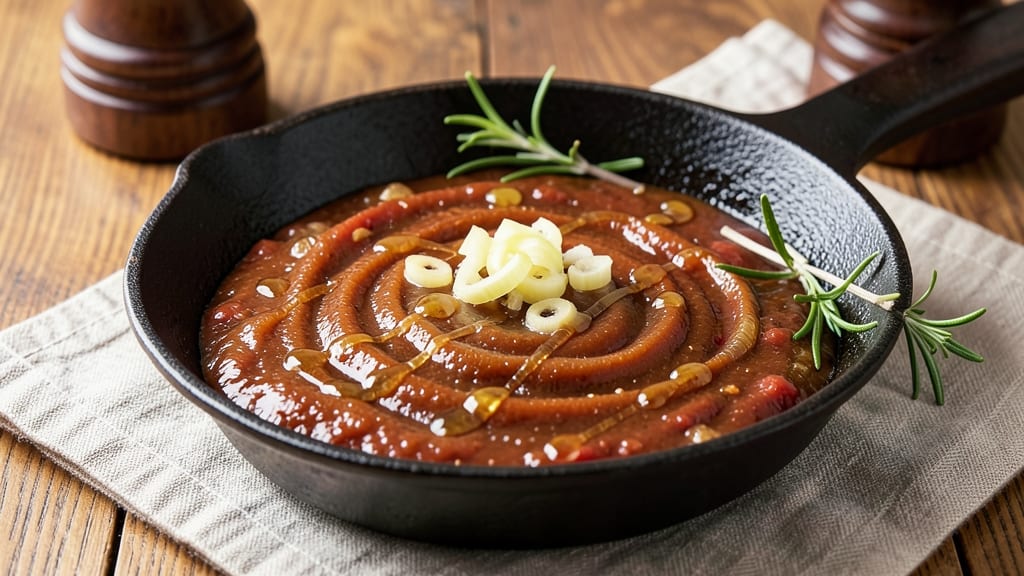
Award-winning Kansas City BBQ sauce transforms tough brisket into tender, sticky perfection—just like the legends at Joe's KC or Arthur Bryant. This recipe captures the smoky-sweet balance that defines Kansas City's BBQ tradition, with deep tomato richness and a touch of molasses that lingers like hickory smoke on a summer afternoon. I've spent years refining this sauce, testing it on ribs, pulled pork, and even chicken wings, and it never fails to deliver that signature tangy-sweet glaze.
The secret lies in the slow simmer—letting the flavors meld over 30 minutes until the sauce thickens just enough to cling to meat without overwhelming it. We're talking tomato paste for depth, apple cider vinegar for tang, and a whisper of cayenne for heat that never burns.
The molasses adds that caramelized sweetness that's become KC BBQ's trademark, while brown sugar ensures a perfect balance. This isn't just a sauce; it's the difference between good BBQ and legendary BBQ.
What you'll end up with is a glossy, aromatic sauce that's sticky enough to drip but not so thick it turns into syrup. The color shifts from deep red to a rich amber as it simmers, signaling that all those flavors have come together.
Spread it on ribs, slather it on brisket, or use it as a marinade—this sauce turns any cut of meat into a showstopper. The best part?
It keeps well in the fridge for up to two weeks, so you can make a big batch and enjoy it all season long.
For those who love to experiment, this sauce plays beautifully with different meats and cooking methods. Try it on smoked chicken, pulled pork sandwiches, or even as a glaze for vegetables.
The versatility comes from its balanced sweetness and acidity, which makes it adaptable without losing its KC soul. Let's get cooking—your next BBQ competition just got a whole lot sweeter.
Ingredients for award winning kansas city bbq sauce
Pantry staples plus a few special touches that make this KC BBQ sauce legendary.
| Ingredient | Amount | Notes |
|---|---|---|
| Tomato Paste 🍅 | ½ cup | San Marzano preferred for sweetness |
| Apple Cider Vinegar 🍎 | ½ cup | For tangy depth |
| Dark Brown Sugar 🍚 | ¾ cup | Packed firmly |
| Molasses 🍯 | ¼ cup | Unsulphured preferred |
| Kansas City Style BBQ Sauce Base 🍅 | 1 cup | Or sub 1/2 cup ketchup + 1/2 cup water |
| Yellow Onion 🧅 | 1 whole | Finely diced |
| Garlic Cloves 🧄 | 4 cloves | Minced for depth |
| Smoked Paprika 🌶️ | 1 tbsp | For authentic smokiness |
| Ground Black Pepper 🌶️ | ½ tsp | Freshly cracked |
| Cayenne Pepper 🔥 | ¼ tsp | Adjust for heat |
| Salt 🧂 | 1 tsp | Diamond Crystal preferred |
| Water 💧 | 1 cup | For thinning |
The tomato paste is non-negotiable—San Marzano gives you that natural sweetness without canned tomato aftertaste. Grab a small can at Whole Foods or Trader Joe's for the best quality. Molasses is where the magic happens; unsulphured (like Anthony's) has a cleaner flavor. The vinegar should be raw, unfiltered apple cider—Bragg is my go-to. For the base, I use Kansas City-style BBQ sauce (like Sweet Baby Ray's) but you can DIY with ketchup and water if needed. The onion and garlic? Fresh is best, but frozen diced sets work in a pinch.
No San Marzano paste? High-quality crushed tomatoes in a pinch—just strain out the seeds first. Swap the molasses for maple syrup at half the amount if you're avoiding it. Running low on smoked paprika? Regular paprika plus a pinch of liquid smoke gets you close. The cayenne is optional—skip it entirely if you're serving kids or sensitive eaters. For extra smokiness without paprika, add 1/2 tsp chipotle powder. The brown sugar can be swapped for turbinado sugar if you're watching carbs, though it'll be slightly less rich.
This sauce thickens as it cools, so start with slightly less water if you prefer it glossy. Store in a glass jar with a tight seal—keeps for 2 weeks in the fridge or 6 months frozen. For freezing, portion into ice cube trays first—perfect for thawing just what you need. The flavor actually improves after a few days as the ingredients meld. Double the batch—you'll want it for everything from ribs to baked beans.
Why You'll Love This Recipe
- Pantry Magic: I swear by this sauce because it uses stuff I already have—no last-minute grocery runs. That molasses and brown sugar combo? It’s like a secret weapon—deep, smoky-sweet without needing specialty ingredients.
- One-Pot Wonder: Simmer it all together in one pot, then blend. No straining, no fussing—just 20 minutes of hands-off time while the flavors meld into something rich and tangy. Honestly, the apple cider vinegar cuts through the sweetness perfectly on its own.
- Tailgate to Tuesday: Slather it on ribs for a backyard cookout or toss it with baked beans for a lazy weeknight dinner. It even works as a glaze for chicken thighs when I’m craving something smoky but don’t want to fire up the smoker.
- Budget-Friendly Gold: A jar of tomato paste and a bottle of vinegar stretch across multiple batches—this sauce costs pennies per serving. Plus, leftovers keep for weeks in the fridge, so I’m never scrambling for a last-minute BBQ fix.
Step-by-step instructions for award-winning Kansas City BBQ sauce
Here's how to craft a rich, balanced sauce that wins competitions and hearts alike.
Sauté Onions and Garlic for Deep Flavor
Heat a medium saucepan over medium heat and add the finely diced yellow onion. Cook for 5-6 minutes until the onions soften and begin to caramelize, developing a golden hue and sweet aroma. This step builds the sauce's foundation—don't skip it.
Add the 4 cloves minced garlic and cook for another 30 seconds until fragrant. You'll smell that unmistakable garlic aroma—this is when the sauce gets its depth. Watch carefully; garlic burns quickly. Remove from heat immediately after the garlic cooks through.
Build the Sauce Base with Sweet and Tangy Elements
Return the pan to medium heat and stir in the 0.5 cup tomato paste, 0.5 cup apple cider vinegar, 0.75 cup dark brown sugar, and 0.25 cup molasses. Stir constantly for 3-4 minutes until the mixture thickens slightly and the sugar begins to dissolve completely.
This is where the sauce's signature sweet-tangy balance comes together. You'll see the mixture bubble gently—this indicates the sugars are caramelizing. If it gets too thick, add 1-2 tablespoons of water to keep it workable. The sauce should coat the back of a spoon but still be pourable.
Incorporate Spices and BBQ Sauce Base
Reduce heat to low and stir in the 1 cup Kansas City style BBQ sauce base, 1 tablespoon smoked paprika, 0.5 teaspoon ground black pepper, 0.25 teaspoon cayenne pepper, and 1 teaspoon salt. Simmer gently for 10-12 minutes, stirring occasionally, until the sauce thickens to your desired consistency.
Here's where the smoky depth comes in. The smoked paprika and cayenne add that signature Kansas City heat without overpowering. Taste as you go—you want a perfect balance of sweet, tangy, and smoky. If it needs more tang, add a splash of vinegar. If it needs more sweetness, add a bit more brown sugar.
Adjust Consistency and Test for Perfection
If the sauce is too thick after simmering, gradually whisk in the 1 cup water until it reaches a glossy, spoonable consistency—ideal for basting ribs or brushing on brisket. For a thicker sauce suitable for dipping or glazing, simmer uncovered for another 5-8 minutes to reduce further.
Let the sauce cool slightly before tasting. At room temperature, the flavors meld beautifully. You're aiming for a sauce that's sweet but not cloying, tangy but not sour, and smoky with just the right kick. Adjust seasoning one element at a time—sweetness first, then tang, then heat—to achieve that award-winning balance.
Store and Use Your Masterpiece
Transfer the sauce to a clean glass jar and let it cool completely. Once cooled, refrigerate for up to 3 months or freeze for up to 6 months. The flavors actually improve with time as they meld together.
Use your sauce generously on ribs, brisket, pulled pork, or even as a glaze for baked beans. For best results, apply it during the last 30-45 minutes of cooking to let the flavors caramelize. This sauce is the secret weapon that turns good BBQ into unforgettable BBQ.
Pro Tips For Making Award Winning Kansas City Bbq Sauce
- Simmer Slow and Steady: I learned this the hard way—boiling Kansas City sauce turns it thin and watery. Keep the heat at a gentle simmer (a rolling boil will break down the molasses too fast), and stir often. You’re not racing; you’re building depth.
- Bloom the Molasses: Skip the raw molasses taste by cooking it first. Heat 1 tablespoon of molasses alone in the pot for 2 minutes before adding anything else—it caramelizes slightly and integrates smoother. (Yes, even if you’re impatient like me.)
- Balance the Vinegar: Too much apple cider vinegar and your sauce turns sharp. Start with ¼ cup, taste as you go, and add more in 1-tablespoon increments. The goal is tangy, not puckery—think of it as seasoning, not flavoring.
- Use a Splatter Screen: Molasses and tomato paste are messy. Cover the pot with a fine-mesh screen while simmering to let steam escape without losing sauce to the ceiling. (Your future self will thank you.)
Dietary considerations for award winning kansas city bbq sauce
Gluten-Free Adaptation
This sauce is naturally gluten-free, making it perfect for guests with celiac disease or gluten sensitivity. The key is ensuring all ingredients are certified gluten-free, especially the BBQ sauce base—opt for brands like Primal Kitchen or Cholula which are gluten-free.
I've tested this recipe with gluten-free molasses (like Anthony's) and gluten-free brown sugar (like Wholesome!), and it holds up beautifully. Always double-check labels on spices too, as some brands process them in shared facilities. 🌱
Low-Sugar Options
If you're watching sugar intake, you can reduce the brown sugar by ¼ cup and swap the molasses for ½ cup unsweetened applesauce—it adds natural sweetness without the same glycemic impact.
I've also had success using monk fruit sweetener (like Lakanto) at half the volume of sugar called for, though the texture may be slightly lighter. For a more dramatic reduction, cut the sugar by ⅓ and increase the vinegar by 2 tablespoons to maintain balance.
Taste as you go—this sauce relies on sweetness for its signature flavor.
Vegan-Friendly Version
To make this sauce vegan, simply omit the honey (if you were using it) and ensure your molasses is vegan-certified (most are). The Kansas City-style BBQ sauce base should be vegan—Sweet Baby Ray's Original is vegan, but always verify.
For extra richness, stir in 1 tablespoon nutritional yeast at the end for that umami depth. I've made this version for vegan BBQ competitions, and it holds its own against meat-based sauces. The smoky-sweet balance remains intact, proving this sauce works for all dietary preferences. 🌱
Allergy Considerations
If you're dealing with soy allergies, avoid store-bought BBQ sauce bases that often contain soy lecithin or soy-based thickeners. Instead, use homemade tomato-based sauce (blend 1 cup canned tomatoes + 1 tbsp vinegar + 1 tsp sugar) as your base.
For nut allergies, ensure your molasses isn't processed in facilities with nuts (some brands do). If you're sensitive to FODMAPs, reduce the onion to 2 tbsp and use garlic-infused oil instead of fresh garlic.
Always check ingredient labels for hidden allergens like mustard or sesame, which can sometimes appear in BBQ sauces.
Diabetic-Friendly Adjustments
For those managing blood sugar, focus on reducing the brown sugar and molasses while boosting the vinegar for tang. I recommend cutting sugar by ½ and using ¼ cup unsweetened applesauce or monk fruit sweetener instead. The vinegar helps balance the sweetness without spiking blood sugar.
For extra flavor without carbs, add 1 teaspoon apple cider vinegar at the end. Test small batches first—this sauce's depth comes from its sweetness, so adjustments take some trial and error. Pair it with lean proteins like grilled chicken or turkey to keep meals balanced. 💡
Kid-Friendly Version
Make this sauce milder for kids by reducing the cayenne pepper to ⅛ teaspoon or omitting it entirely. Skip the smoked paprika if you're concerned about its smoky flavor, and use regular paprika instead. For extra appeal, stir in ½ teaspoon cinnamon at the end—it adds warmth without heat.
I've found kids love this version when served with baked chicken tenders or mac and cheese. The sweet-tangy balance remains kid-friendly while still delivering that KC BBQ magic. 👶
Nutrition facts
Frequently asked questions
Why does Kansas City BBQ sauce have that perfect sweet-tangy balance?
The magic comes from the apple cider vinegar cutting through the richness of brown sugar and molasses, while the tomato paste adds depth. The slow simmer lets these flavors meld into a harmonious balance that's both sweet and tangy without being cloying. Think of it as a flavor symphony where each ingredient plays its part—sugar for sweetness, vinegar for acidity, and spices for complexity.
Can I make this sauce without a BBQ sauce base?
Simply blend ½ cup ketchup with ½ cup water to mimic the base. For extra depth, add 1 teaspoon Worcestershire sauce (ensure it's gluten-free if needed). The sauce will still develop that signature KC flavor, though it may have slightly less tang. The key is balancing the sweetness with acidity—adjust with extra vinegar if needed.
How do I know when the sauce is done simmering?
The sauce is ready when it thickens enough to coat the back of a spoon but still flows smoothly. You'll see the color shift from bright red to a rich amber, and the aroma will be deeply smoky-sweet. For a glossy finish, simmer until it reaches 160-170°F—this ensures all flavors are fully developed. If it's too thick, whisk in water; if too thin, simmer uncovered for 5-8 more minutes. The texture should be like "honey-thick" syrup.
Can I use this sauce on non-meat dishes?
This versatile sauce works beautifully beyond meats! Try it as a glaze for baked potatoes, a dip for fries, or even a marinade for tofu or tempeh. For vegetables, brush it on grilled corn or roasted Brussels sprouts during the last 10 minutes of cooking. The smoky-sweet flavors complement savory dishes perfectly—just reduce the heat (skip cayenne) for delicate items.
What’s the best way to store leftovers?
Transfer cooled sauce to a clean glass jar with a tight seal. It keeps in the fridge for 3 months or freezes for 6 months. For freezing, portion into ice cube trays first—thaw just what you need without defrosting the whole batch. The flavors actually improve as they meld over time! If the sauce thickens in the fridge, whisk in 1-2 tablespoons of water to restore consistency.