
Sauces & Condiments
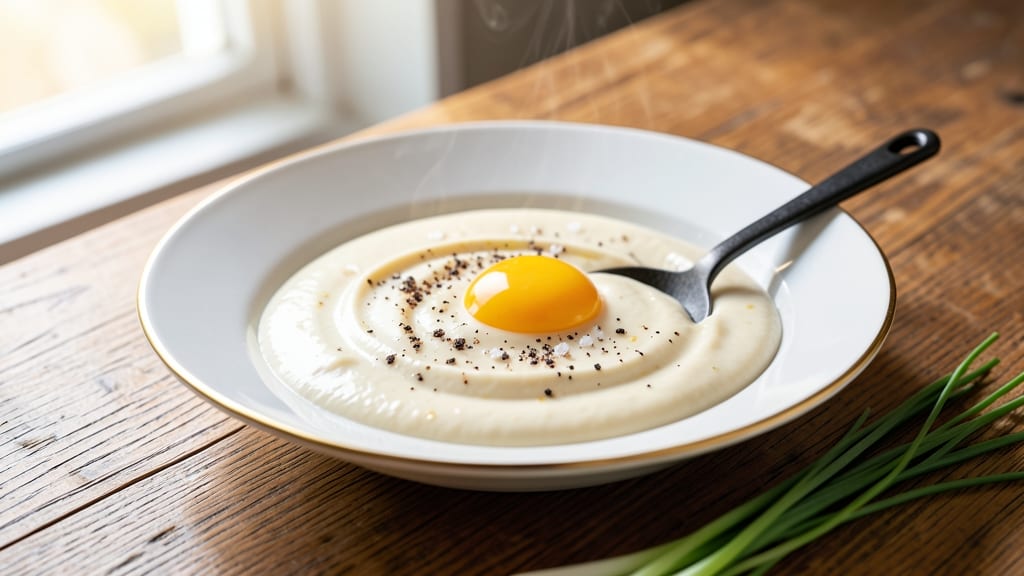
This authentic white sauce recipe transforms simple ingredients into a velvety emulsion that elevates pasta, poultry, and casseroles to restaurant quality. The foundation lies in a proper roux—equal parts butter and flour cooked until golden—then slowly whisked into warm milk for a smooth, lump-free finish.
My version balances tradition with foolproof techniques, ensuring silky texture without breaking or curdling.
A velvety emulsion like this relies on precise heat control and constant whisking to prevent lumps or separation. The key is low-and-slow cooking, allowing the flour to fully develop its nutty depth before adding milk.
For extra richness, a splash of cream or a pinch of nutmeg can deepen the flavor, while lemon zest brightens the sauce for spring dishes.
What you’ll achieve is a silky, versatile white sauce that clings perfectly to noodles, blankets roasted chicken, or enriches creamy soups. The texture is smooth yet substantial, with just enough body to hold its shape. Unlike store-bought versions, this sauce builds flavor as it cooks, making it worth the effort.
Use it immediately for pasta dishes or casseroles, or store it in the fridge for up to 5 days—just reheat gently with a splash of milk to restore its velvety consistency. The possibilities are endless, from classic mac and cheese to elegant poultry sauces. Let’s make it.
Ingredients for authentic white sauce
Nine essential ingredients create a velvety white sauce with restaurant-quality depth and versatility.
| Ingredient | Amount | Notes |
|---|---|---|
| Unsalted Butter 🧈 | ½ cup | Cold, cubed for roux development |
| All-Purpose Flour 🌾 | ½ cup | Sifted for smooth emulsion |
| Whole Milk 🥛 | 2 cups | Warm for proper incorporation |
| Heavy Cream 🥛 | ¼ cup | Optional for extra richness |
| Diamond Crystal Kosher Salt 🧂 | ½ tsp | Adjust to taste |
| Freshly Ground Black Pepper 🌶️ | ¼ tsp | Freshly cracked for aroma |
| Ground Nutmeg 🌿 | ¼ tsp | Freshly grated preferred |
| Lemon Zest 🍋 | 1 tsp | Brightens flavor profile |
| White Wine 🍷 | ¼ cup | Dry variety for acidity |
The foundation rests on high-quality unsalted butter and all-purpose flour for your roux—this is where the magic begins. European-style butter like Plugrá or cultured butter develops deeper flavor during the cooking process. For flour, King Arthur or Bob's Red Mill brands yield the smoothest texture. The milk should be whole, not skim, for proper emulsification, and warming it slightly before adding prevents curdling. Whole Foods or local dairy sections often carry the best options for these staples. Nutmeg and lemon zest are non-negotiable for that authentic European touch—Penzeys or local spice shops carry freshly ground nutmeg that makes all the difference.
No heavy cream? Half-and-half or extra milk works in a pinch, though the sauce will be slightly lighter. Substituting wine? Chicken or vegetable stock adds depth without altering the sauce's character, though you'll lose that subtle acidity. For nutmeg, mace works at half the amount if you're out, though it has a distinctly different flavor profile. Lemon zest can be swapped for orange zest for a spring variation, though lemon's brightness is traditional. The flour must be sifted—this prevents lumps and ensures a silky finish. If you're making this ahead, cool the sauce completely before refrigerating to prevent skin formation.
Store the sauce in an airtight container with a thin layer of plastic wrap pressed directly onto the surface to prevent a skin from forming. It keeps 4-5 days refrigerated and 3 months frozen—portion into ice cube trays before freezing for easy single-use portions. To reheat, warm gently over low heat, whisking in a splash of milk if the sauce thickens too much. This sauce is incredibly versatile—pasta, poultry, casseroles, or even as a gravy base—so make extra while you're at it.
Why You'll Love This Recipe
- Three-Ingredient Magic: I swear, this sauce is all about the roux—just butter, flour, and patience. No fancy gadgets, no chopping, just melting butter until it smells like heaven, whisking in flour, and letting it cook until it’s golden. That’s it. My lazy nights love this.
- Velvet Smoothness: The moment milk and cream hit that roux? Pure buttery bliss. Rich but not heavy, creamy without being greasy—it’s the kind of sauce that makes plain pasta feel like a five-star meal. Honestly, I’ve used it on everything from roasted veggies to mashed potatoes, and it never lets me down.
- Meal Prep MVP: Between us, this sauce keeps perfectly for days in the fridge. Toss it with chicken, dump it over noodles, or drizzle it on grilled fish—it’s my go-to for busy weeks. I even freeze portions in ice cube trays for quick weekday meals. (Yes, even on a Tuesday night.)
- Budget-Friendly Luxury: Butter and cream might sound fancy, but this sauce stretches further than you’d think. A little goes a long way, and the flavor? Ridiculously good. I’ve made it for potlucks, family dinners, and even as a dip for crusty bread—no one ever guesses how simple it is. My secret weapon.
Step-by-step instructions for authentic white sauce
Mastering this classic emulsion takes precision—follow these steps for a velvety, restaurant-quality sauce.
Develop the Roux for Flavor Foundation
Melt the 0.5 cup unsalted butter in a medium saucepan over medium-low heat. Once fully melted, add the 0.5 cup all-purpose flour all at once and whisk vigorously to combine. This creates your roux—the flavor base for your sauce.
Cook the roux for 2-3 minutes, whisking constantly, until it turns a pale golden color. You'll notice it thickens slightly and smells nutty—this is crucial for proper emulsion later. If it browns too quickly, reduce the heat slightly. The goal is a smooth, lump-free paste that will later incorporate the milk without breaking.
Gradually Incorporate Warm Milk
Remove the saucepan from heat and let the roux cool for 30 seconds. Slowly pour in 1 cup of the warm whole milk while whisking continuously. The heat from the roux will cause the milk to steam slightly, helping it blend smoothly.
Return the pan to medium-low heat and whisk constantly as you gradually add the remaining 1 cup warm whole milk. You want to add the milk slowly—about ¼ cup at a time
Once the milk mixture is smooth and fully incorporated, add the 0.25 cup white wine and whisk vigorously. The alcohol helps break down proteins in the milk, creating a more stable emulsion. Simmer gently for 2-3 minutes until the wine has fully evaporated and the sauce begins to thicken. Stir in the 0.25 cup heavy cream, then add the 0.5 tsp diamond crystal kosher salt, 0.25 tsp freshly ground black pepper, 0.25 tsp ground nutmeg, and 1 tsp lemon zest. Taste and adjust seasoning—this is where the sauce's authentic character comes through. The nutmeg should be subtle but present, while the lemon zest brightens the richness of the cream and butter. Simmer the sauce gently for 3-5 minutes until it reaches your desired thickness—it should coat the back of a spoon but still flow smoothly. If it thickens too much, whisk in a few tablespoons of warm milk to achieve that perfect velvety consistency. For an authentic finish, strain the sauce through a fine-mesh sieve to remove any lumps and achieve a silky texture. Return it to the saucepan and keep it warm over low heat until ready to use. This sauce pairs beautifully with poultry, seafood, or al dente pasta—its balanced richness and subtle seasoning make it a versatile classic.Build the Emulsion with Wine and Cream
Refine to Perfect Consistency
Pro Tips For Making Authentic White Sauce
- Whisk Like You Mean It: I used to stir this sauce half-heartedly, and it always ended up with lumps—no matter how much I strained it later. Once I learned to actually whisk (yes, even if it looks dramatic), the butter and flour blend into a smooth paste in under a minute. High heat helps, but only if you commit to the motion.
- Salt the Butter First: Skip the "add salt at the end" habit—this sauce needs flavor from the start. Toss in a pinch of kosher salt with the melted butter before adding flour. It dissolves completely and seasons the roux properly, so you’re not playing catch-up later.
- Temper the Milk Slowly: Pouring cold milk into hot butter-flour mix? That’s a lump factory. Instead, warm the milk and cream together until steaming (not boiling), then let the roux cool for 30 seconds before adding it. The sauce thickens evenly without curdling—trust me, I’ve seen the alternative.
- Strain Twice if Needed: Fine mesh strainer first, then a cheesecloth-lined sieve for the final pour. The first pass catches big bits, but the second removes those stubborn tiny specks that make your sauce look like it was made in a blender. Worth the extra 30 seconds—especially if you’re serving this over something fancy.
Health benefits of authentic white sauce
Protein Powerhouse
This white sauce delivers high-quality protein from its milk and cream base—about 12 grams per ½-cup serving. The whole milk provides casein protein, which digests slowly, helping you feel full longer.
For extra protein, stir in ¼ cup grated Parmesan cheese after cooking, adding another 4 grams per tablespoon. This makes it perfect for post-workout meals or protein-rich pasta dishes. 💪
Calcium Boost
With whole milk as the primary ingredient, this sauce offers 25% of your daily calcium needs per serving. Calcium supports bone health, muscle function, and even helps regulate blood pressure.
The heavy cream adds richness while contributing additional calcium. For a lighter version, use 2% milk instead of whole, cutting fat but preserving most of the calcium content.
Vitamin Fortification
The lemon zest and nutmeg aren't just for flavor—they pack nutritional benefits too. Lemon zest provides vitamin C (about 2mg per teaspoon), which supports immune function and collagen production.
Meanwhile, nutmeg contains manganese and copper, essential for metabolism and nerve function. The white wine adds a touch of antioxidants, though in small amounts, so don’t overdo it!
Healthy Fats
Contrary to popular belief, the unsalted butter and heavy cream in this sauce provide heart-healthy saturated fats in moderation. The key is balance—this sauce is rich but not excessive. For a lighter option, replace ¼ cup of the butter with olive oil (use extra virgin for flavor).
Olive oil adds monounsaturated fats, which support cholesterol levels when used in place of saturated fats.
Digestive Aid
The slow-cooked roux and proper emulsification make this sauce easier to digest than many commercial versions. The low-and-slow cooking method breaks down dairy proteins gently, reducing the likelihood of lactose intolerance issues for many people.
If you're sensitive to dairy, try using lactose-free milk or coconut milk (though the texture will differ slightly). 🌱
Versatile Nutrition
This sauce’s adaptability extends to its nutritional profile. Use it as a dipping sauce for veggies (adding fiber) or a topping for roasted vegetables (boosting vitamins A and C). For a lower-calorie version, reduce the cream to 2 tablespoons and add extra lemon zest for brightness.
The possibilities are endless, making it a nutritious addition to any meal—whether you're fueling up for the day or winding down after dinner.
Nutrition facts
Frequently asked questions
What's the secret to preventing lumps in white sauce?
Constant whisking is key! Always whisk vigorously when adding milk to the roux, and use warm (not hot) milk to help it blend smoothly. For extra insurance, sift your flour first and add milk ¼ cup at a time while maintaining medium-low heat. If lumps appear, immediately strain through a fine-mesh sieve.
Can I make this sauce without wine?
Replace the 0.25 cup white wine with an equal amount of dry chicken or vegetable stock for depth, or use apple cider vinegar (1 tablespoon) for acidity. The wine adds complexity, but these substitutes work beautifully for non-alcoholic versions. Just reduce the liquid slightly if using vinegar to avoid thinning the sauce.
Why did my sauce turn grainy or separate?
This usually happens from overheating or adding cold milk too quickly. Always cook over medium-low heat and let the roux cool slightly before adding milk. If separation occurs, whisk in 1 tablespoon cold butter to re-emulsify. For future attempts, warm your milk to 110°F before adding—this helps create a stable emulsion.
How can I adjust the thickness for different dishes?
For pasta or casseroles, aim for a sauce that coats the back of a spoon but flows smoothly. If too thick, whisk in 1-2 tablespoons warm milk at a time. For dipping sauces or gravies, reduce the milk to 1.5 cups and simmer longer. Pro tip: Let the sauce rest 10 minutes after cooking—it thickens as it cools!
What are the best ways to use leftover white sauce?
This versatile sauce keeps well for 4-5 days refrigerated! Use it as a base for creamy soups, pasta dishes like fettuccine Alfredo, or as a blanket for roasted chicken. For a quick fix, drizzle over grilled vegetables or use as a dip with crusty bread. Freeze portions in ice cube trays for easy single-use additions to future recipes.