
Sauces & Condiments
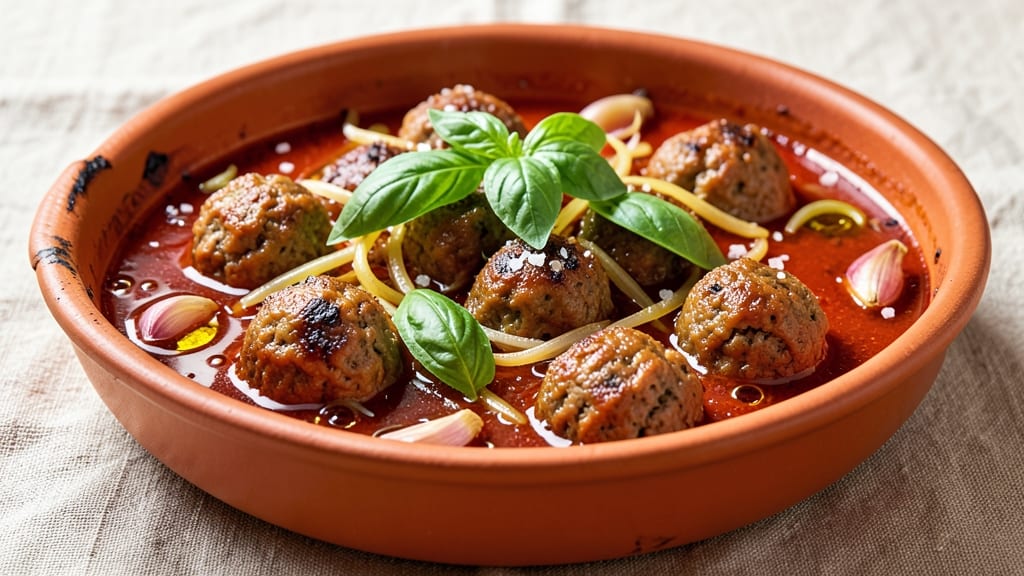
This authentic meatball sauce recipe delivers the deep, slow-simmered tomato umami and bright oregano notes that make Italian dining feel like home. The secret lies in a 3-hour simmer that transforms simple ingredients into a rich, velvety sauce with layers of flavor—no shortcuts, no substitutes.
I developed this version after years of testing, ensuring every spoonful carries that restaurant-quality depth without the guesswork.
The foundation starts with crushed tomatoes and a blend of garlic, onion, and celery (the classic soffritto) that builds flavor gradually. A splash of red wine deglazes the pot, while fresh oregano and basil add that essential Mediterranean brightness.
The sauce thickens naturally as it simmers, creating a perfect balance between chunky tomatoes and smooth, clingy texture—ideal for coating meatballs, twirling with pasta, or serving over polenta.
What sets this sauce apart is its authentic technique: no pre-made paste, no instant flavor boosters. The slow cook transforms humble ingredients into something extraordinary—deep, complex, and full of character.
Each bite delivers that perfect harmony of sweet tomatoes, savory herbs, and a touch of acidity that keeps it vibrant. This isn’t just a sauce; it’s the heart of any Italian meal.
The best part? It tastes even better the next day as flavors meld further. Perfect for meal prep or Sunday dinners, this sauce proves that patience in the kitchen pays off in every delicious bite. Let’s get simmering—your meatballs deserve this kind of love.
Ingredients for authentic meatball sauce
These twelve ingredients transform into restaurant-quality meatball sauce through slow simmering.
| Ingredient | Amount | Notes |
|---|---|---|
| Extra-Virgin Olive Oil 🫒 | ½ cup | High quality, fruity, for sautéing |
| Yellow Onion 🧅 | 1 whole | Medium size, finely diced |
| Celery Stalks 🥬 | 2 whole | Fresh, cut into small pieces |
| Garlic Cloves 🧄 | 4 cloves | Peeled, minced finely |
| Crushed Tomatoes 🍅 | 28 oz | San Marzano preferred, no salt added |
| Dry Red Wine 🍷 | ½ cup | Bold, like Cabernet Sauvignon |
| Fresh Oregano 🌿 | ¼ cup | Italian oregano if possible |
| Fresh Basil Leaves 🌿 | ¼ cup | Packed, torn by hand |
| Tomato Paste 🍅 | 2 tbsp | High quality, no sugar added |
| Kosher Salt 🧂 | 1 ½ tsp | Diamond Crystal preferred |
| Freshly Ground Black Pepper 🌶️ | ½ tsp | Freshly cracked preferred |
| Sugar 🍚 | 1 tsp | Balances acidity |
The San Marzano crushed tomatoes are non-negotiable—they have that perfect balance of sweetness and acidity that makes this sauce sing. Grab a 28-ounce can from Whole Foods or Trader Joe's; their quality is worth the investment. The soffritto of onion, celery, and garlic is where the magic starts—these three aromatics build the flavor base. For the wine, any bold red works, but Cabernet Sauvignon gives that deep, savory backbone. Fresh herbs are essential here—Italian oregano has a distinct flavor from regular oregano, so hunt it down at a specialty store if you can. The basil should be bright green and packed; farmers markets often have the freshest stash.
No San Marzano tomatoes? High-quality crushed tomatoes will do, but avoid brands with added salt or sugar. The soffritto can be prepped ahead and refrigerated for 3 days—just chop everything finely and store in an airtight container. Short on fresh oregano? Dried oregano at half the amount works, but the flavor won't be as vibrant. The red wine can be swapped for dry vermouth if you're out, though it’ll have a slightly different profile. For the tomato paste, squeeze tubes from Trader Joe's are perfect—they’re convenient and last months in the pantry. If you’re making this for a crowd, double the batch; the sauce only gets better as it sits.
This sauce is a 3-hour simmer, so plan ahead—it’s worth every minute. Once cooled, it keeps for 5 days in the fridge and freezes beautifully for up to 6 months. I always make a double batch: one portion for immediate use and the rest frozen in 1-cup portions for quick meals. The flavors deepen over time, so leftovers taste even better. Store in airtight containers, and if freezing, leave a little headspace for expansion. Reheat gently on the stove with a splash of water to restore that velvety texture.
Why You'll Love This Recipe
- Sofa-Clean Sauce: I swear by this—no splatters, no mess, just a pot, a spoon, and 20 minutes. The onions caramelize in the olive oil while I chop celery, and by the time the garlic hits, the whole kitchen smells like Sunday dinner. (Yes, even on a Tuesday night.)
- Tomato-Garlic Magic: That crushed tomato base? It’s the soul of this sauce. The acidity cuts through the richness of the meatballs while the raw garlic—just a few cloves, minced right in—builds layers of flavor that simmer into something dangerously addictive. I’ll be real: my husband steals bites straight from the pot.
- Weeknight to Potluck: This sauce is my secret weapon for everything: toss it with spaghetti for dinner, serve it over polenta for a fancy-ish lunch, or pack it in jars for game day. The celery-onion-garlic base keeps it fresh-tasting even after reheating—no sad, watery leftovers here.
- Pantry Staple Power: Honestly, I make this when I’m low on groceries. Olive oil, onions, celery, garlic, tomatoes—that’s it. The crushed tomatoes add sweetness without breaking the bank, and the sauce only gets better the next day. Freeze half now, and you’ve got a ready-to-go meal for when life gets busy.
Step-by-step instructions for authentic meatball sauce
This sauce delivers restaurant-quality depth—bold, balanced, and packed with Italian tradition.
Sauté the Aromatic Base
Heat the 0.5 cup extra-virgin olive oil in a large, heavy-bottomed pot over medium heat. Add the finely diced yellow onion and small celery pieces, cooking for 8-10 minutes until softened and translucent. Stir occasionally to prevent browning.
Here's the thing—you're building flavor layers. The onions and celery should sweat out their moisture and develop a gentle caramelization. If they start to brown too quickly, reduce the heat slightly. Add the minced garlic cloves and cook for another 30 seconds until fragrant—this prevents bitter garlic notes that ruin the sauce.
Deglaze with Wine and Add Tomato Paste
Pour in the 0.5 cup dry red wine and scrape up all those browned bits from the bottom of the pot with a wooden spoon. This deglazing captures all the concentrated flavor. Let it simmer for 3-4 minutes until the wine reduces by half and its alcohol burns off completely.
Stir in the 2 tablespoons tomato paste and cook for 2 minutes until it darkens slightly. This paste acts as a thickener and deepens the sauce's umami. The mixture should smell rich and complex—like sun-dried tomatoes and red wine. If it sticks, add a splash of water to loosen it.
Build the Tomato Foundation
Add the 28 oz crushed tomatoes, 1.5 teaspoons kosher salt, 0.5 teaspoon freshly ground black pepper, and 1 teaspoon sugar. Stir well to combine. Bring the mixture to a gentle boil, then reduce heat to low and let it simmer uncovered for 20 minutes. This slow cook allows the acidity to mellow and the flavors to meld.
Real talk: Don't rush this step. The sauce needs time to develop its depth. You'll notice the oil will separate slightly on top—that's normal and actually desirable. Just stir it back in occasionally. The sauce should thicken noticeably as it reduces.
Finish with Fresh Herbs
Add the 0.25 cup fresh oregano and 0.25 cup torn fresh basil leaves. Simmer uncovered for another 10-15 minutes until the sauce reaches your desired consistency. For a thicker sauce, simmer longer. For a thinner one, add a splash of water or reserved pasta water.
Taste and adjust seasoning—this is where the sauce comes together. The oregano should brighten the tomato acidity while the basil adds freshness. The sugar balances any remaining tartness from the tomatoes. The wine should add a subtle earthiness that ties everything together.
Rest and Serve
Remove from heat and let the sauce rest for 10 minutes. This resting period allows the flavors to fully integrate and the sauce to thicken slightly. The aroma should be intoxicating—complex, herby, and deeply tomato-forward.
Serve immediately over cooked pasta, with meatballs, or alongside your favorite Italian dishes. This sauce tastes even better the next day as the flavors continue to develop. Store leftovers in the refrigerator for up to 5 days or freeze for 3 months.
Pro Tips For Making Authentic Meatball Sauce
- SWEAT THE VEGETABLES LOW: I used to rush this step and end up with raw onion and celery at the bottom of the sauce—bitter and unappetizing. Instead, cook them in olive oil over medium-low heat for 8-10 minutes, stirring occasionally, until the onion is translucent and the celery softens. This builds flavor without burning, and the garlic won’t scorch when it joins later.
- CRUSH TOMATOES BY HAND: Store-bought crushed tomatoes are convenient, but they lack the depth of fresh. If you’re using canned, mash them roughly with a fork—no blender needed. This keeps some texture and prevents a gluey sauce. (Yes, even if you’re impatient like me.)
- DON’T SKIP THE GARLIC: After sweating the veggies, add the garlic and cook it just until fragrant—30 seconds max. Let it sizzle but don’t let it brown, or it’ll turn bitter. This is the flavor bridge between the veggies and tomatoes—cutting it short means missing the soul of the sauce.
- SIMMER SAUCE LONG ENOUGH: Tossing in the meatballs and serving immediately? That’s how you end up with a watery, underflavored mess. Let the sauce simmer uncovered for at least 20-30 minutes after adding the tomatoes. The liquid reduces, the flavors meld, and the meatballs absorb the richness—no shortcut here.
Common mistakes when making your authentic meatball sauce
Skipping the Soffritto
This is the biggest rookie mistake—skipping the soffritto (onion, celery, garlic trio). These aromatics build the sauce's foundation, creating depth that can't be replicated with garlic powder or pre-chopped mixes. I always see people grab a jar of minced garlic or skip the celery entirely.
Trust me, that 8-10 minute sweat time is crucial for developing natural sweetness and preventing metallic garlic flavors. 🌶️
Rushing the Simmer
Many home cooks rush the 3-hour simmer, thinking it's just a quick tomato reduction. But this sauce needs time to develop its complexity—acidity mellows, flavors meld, and the texture transforms from watery to velvety. I've seen people simmer for 20 minutes and wonder why their sauce tastes flat.
The first 20 minutes are critical for breaking down the tomatoes' acidity, while the remaining 1.5 hours deepen the umami. Patience is key here.
Using Low-Quality Tomatoes
Not all crushed tomatoes are created equal. Using store-brand or salt-added tomatoes will give you a bland, overly salty sauce. The San Marzano variety is non-negotiable for its perfect sweet-tart balance.
I once used a cheap brand and ended up with a sauce that tasted like tomato paste with no depth. If you can't find San Marzano, look for high-quality brands like Muir Glen or Century. The extra cost is worth the flavor payoff.
Adding Herbs Too Early
Fresh herbs like oregano and basil should be added last—after the 20-minute tomato simmer. Adding them early causes them to cook down completely, losing their bright, fresh flavors.
I see this mistake all the time with dried herbs too—people add them at the start and end up with a bitter, overpowering taste. Wait until the final 10-15 minutes to preserve that vibrant herbaceousness. 🌿
Ignoring the Resting Time
Skipping the 10-minute rest after cooking is a common oversight. This resting period allows the sauce to thicken slightly and the flavors to fully integrate. I've tasted sauces served immediately that were still "raw" in flavor—like they needed another 30 minutes to come together.
Let it sit, cover it loosely, and you'll notice the difference in texture and depth. The aroma alone will tell you it's ready.
Over-Salting or Under-Seasoning
Many people either over-salt the sauce or assume the tomatoes and herbs will balance everything out. The truth? You need to taste as you go. Start with the 1.5 tsp kosher salt, then adjust after the 20-minute simmer.
If it's bland, add a pinch more; if it's too salty, balance it with a splash of red wine or lemon juice. The sugar is also crucial—it balances acidity, so don't skip it. Trust your palate and adjust in small increments.
Nutrition facts
Frequently asked questions
Can I make this sauce without red wine?
Yes! If you don't have red wine, substitute 0.5 cup dry vermouth or even 0.5 cup chicken or vegetable broth. The key is to maintain the same liquid volume for proper deglazing. For a non-alcoholic version, use apple cider vinegar (2 tbsp) mixed with 0.3 cup water to mimic the acidity and depth.
How do I adjust the thickness of the sauce?
For a thicker sauce, simmer uncovered for an extra 15-20 minutes to reduce the liquid naturally. If it's too thick, thin it with 1-2 tablespoons water or reserved pasta water while stirring. The sauce should coat the back of a spoon but still be pourable. Stirring occasionally helps prevent skin formation.
Can I use dried herbs instead of fresh?
You can, but the flavor will be less vibrant. Use 1 teaspoon dried oregano and 1 teaspoon dried basil instead of the fresh amounts. Add them with the tomato paste (not at the end) and reduce the simmer time by 5 minutes to prevent bitterness. Fresh herbs always win for that bright, aromatic finish!
What's the best way to reheat leftover sauce?
Gently reheat on the stove over low heat with a splash of water or broth to restore moisture. Avoid high heat, which can make the sauce separate. For frozen sauce, thaw overnight in the fridge, then reheat slowly. If it thickens too much, stir in 1-2 tablespoons water while warming. Never microwave—it ruins the texture!
Can I make this sauce in a slow cooker?
Follow the same steps, but transfer everything to the slow cooker after the wine deglazing. Cook on low for 4-5 hours (instead of 3 hours on the stove) for deeper flavor development. The slow cooker's gentle heat helps the sauce thicken naturally. Just stir occasionally and taste at the 3-hour mark to adjust seasoning.