
Sauces & Condiments
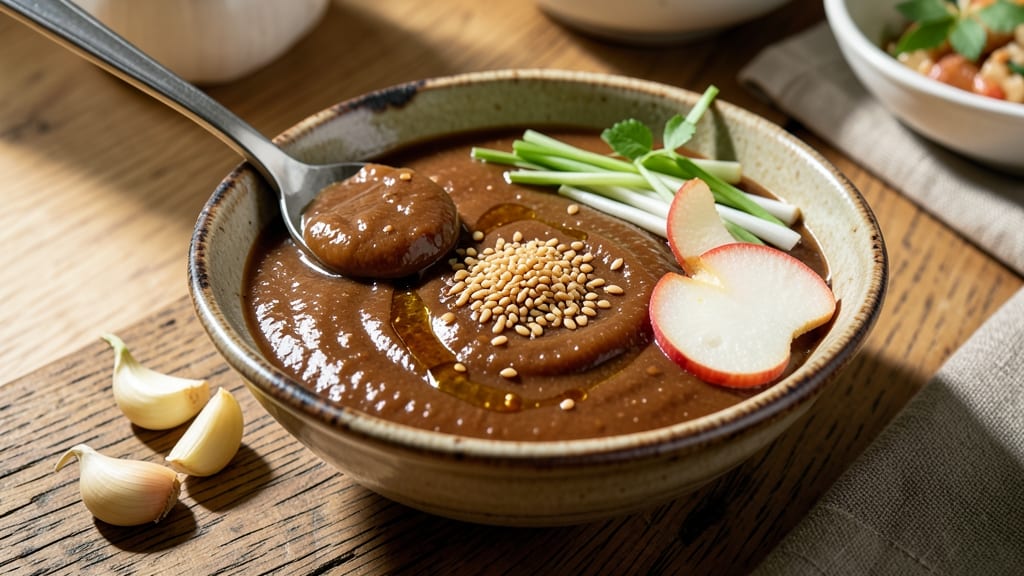
This authentic gochujang sauce recipe delivers the perfect balance of fermented heat, sweetness, and umami that defines Korean cuisine. The key lies in combining gochujang paste with vinegar, sugar, and oil to create a versatile sauce that enhances everything from marinades to glazes.
I’ve refined this recipe over years of testing, ensuring the flavors meld without overpowering the dish.
The sauce starts with a base of gochujang, its deep red color and complex flavor profile forming the foundation. A touch of rice vinegar adds tanginess, while sugar rounds out the heat, creating a smooth, balanced condiment.
The addition of sesame oil and garlic infuses layers of aroma that elevate any dish it touches. This isn’t just a sauce—it’s a flavor multiplier.
What makes this gochujang sauce truly special is its versatility. Use it as a dipping sauce for fried chicken, a glaze for grilled meats, or a marinade for tofu and vegetables.
The heat is controlled but present, the sweetness is subtle, and the umami depth is undeniable. Once you taste the difference between this and store-bought versions, you’ll never go back.
Store the sauce in an airtight container in the refrigerator for up to two weeks, or extend its shelf life by canning it. The flavors only deepen over time, making it worth doubling the batch.
Whether you’re cooking for a crowd or meal prepping for the week, this sauce will become your go-to for adding authentic Korean flavor to any dish.
Ingredients for authentic gochujang sauce
Six core ingredients transform into this vibrant, umami-packed sauce that elevates everything from marinades to dipping sauces.
| Ingredient | Amount | Notes |
|---|---|---|
| Gochujang Paste 🌶️ | ½ cup | Korean fermented chili paste |
| Rice Vinegar 🍶 | ¼ cup | White or seasoned variety |
| Brown Sugar 🍯 | ¼ cup | Light or dark preferred |
| Sesame Oil 🫒 | 2 tbsp | Toasted for best flavor |
| Garlic Cloves 🧄 | 4 cloves | Minced or finely chopped |
| Fresh Ginger 🌿 | 1 tbsp | Grated, peeled |
| Soy Sauce 🍶 | 2 tbsp | Light or dark preferred |
| Sesame Seeds 🥜 | 1 tbsp | Toasted for garnish |
| Water 💧 | ¼ cup | Room temperature preferred |
| Salt 🧂 | ½ tsp | Kosher or sea salt |
Gochujang is the soul of this sauce—look for brands like Maesil or Hellmann's in the Asian aisle. The paste should be thick, smooth, and smell intensely fermented (a little funky is good!). I always grab extra because it disappears fast. For the sesame oil, Kadoya or La Choy are my go-tos—they’ve got that toasted aroma that’s non-negotiable. The garlic and ginger? Fresh is a must here (no powdered shortcuts). If you’re short on time, pre-minced garlic from a jar works in a pinch, but it won’t have the same depth.
No gochujang? Substitute with 1 tbsp each of sriracha and miso paste—it’s not identical, but it’ll get you close. Rice vinegar substitute? Apple cider vinegar at the same amount. The brown sugar can be swapped for honey or maple syrup, though the texture might thin slightly. Sesame oil missing? Avocado oil or neutral oil plus 1/2 tsp toasted sesame seeds keeps the flavor profile intact. For a smoother sauce, blend everything until silky—an immersion blender is perfect for this. If you prefer texture, leave it slightly chunky.
This sauce keeps beautifully for 2 weeks in the fridge, with flavors deepening over time. For longer storage, divide into small jars or ice cube trays—freezes perfectly for up to 3 months. I always make a double batch because it disappears fast. The sesame seeds? Toast them fresh before adding to keep that nutty crunch. If the sauce thickens in the fridge, just stir in a splash of water to loosen it up. Trust me, you’ll want this on hand for everything from grilled meats to noodle bowls.
Why You'll Love This Recipe
- Five-Ingredient Magic: I swear by this—just stir, simmer, and done. No blenders, no fancy tools, just a pot and a spoon. That gochujang paste does all the heavy lifting while I chop garlic in 30 seconds flat.
- Sweet Heat Balance: The brown sugar cuts through the spice like a pro, but here’s the kicker: the sesame oil adds this nutty depth that makes it ridiculously good on everything. Honestly, I’ve ruined perfectly good meals trying to recreate this combo.
- Pantry Staple Power: This sauce turns my fridge into a flavor factory—drizzle it on fried rice, toss it with noodles, or even mix it into mayo for sandwiches. I keep a jar in the fridge because it’s my go-to for lazy nights and last-minute takeout vibes.
- Leftovers That Work: Make a big batch—it keeps for weeks in the fridge, and the flavor actually improves over time. Between us, I’ve had this sauce sit for two months and still taste fresh. Budget-friendly? Absolutely. Waste-free? Even better.
Step-by-step instructions for authentic gochujang sauce
This sauce delivers bold, balanced flavors with just a few simple techniques.
Bloom the Gochujang and Aromatics
In a medium saucepan, combine the 0.5 cup gochujang paste, 0.25 cup brown sugar, 2 tbsp soy sauce, and 0.5 tsp salt. Stir over medium-low heat for 2-3 minutes until the sugar begins to dissolve and the mixture smells deeply aromatic. The gochujang will darken slightly as it activates—this is normal and indicates the flavors are waking up.
Add the 4 cloves minced garlic and 1 tbsp grated fresh ginger, stirring constantly for 30 seconds until fragrant. You'll notice the garlic soften almost immediately, releasing its sweetness. Keep the heat gentle here—garlic burns faster than you think, and we want to preserve that fresh aroma rather than let it turn bitter.
Add Liquids and Simmer Gently
Pour in the 0.25 cup rice vinegar and 0.25 cup water, stirring to combine. Bring the mixture to a gentle simmer over medium heat, then reduce to low heat. Let it cook uncovered for 8-10 minutes, stirring occasionally, until it thickens slightly but remains pourable. You're looking for a sauce that coats the back of a spoon but isn't syrup-like—it should still have a smooth, glossy quality.
Taste as you go. If the sauce tastes too sharp, add another ½ teaspoon brown sugar. If it needs more depth, stir in 1 extra teaspoon soy sauce. The balance between sweet, spicy, and umami is what makes this sauce authentic—adjust gradually to get it just right.
Finish with Sesame Oil and Seeds
Remove the sauce from heat and stir in the 2 tbsp sesame oil. The oil will immediately mellow the heat slightly while adding a nutty richness. Let the sauce sit for 2 minutes to allow the flavors to meld—this resting period makes a surprising difference in how smooth and cohesive the sauce becomes.
Before serving, sprinkle with 1 tbsp toasted sesame seeds and stir gently. The seeds add texture contrast and a final aromatic punch. For best results, serve the sauce at room temperature or slightly warmed—this lets all the complex flavors shine without competing with heat. Store any leftovers in an airtight container in the refrigerator for up to 1 week, though it's so good you'll likely use it all.
Pro Tips For Making Authentic Gochujang Sauce
- Low and Slow for Depth: Simmer gochujang on medium-low heat—rushing it makes the sauce bitter and grainy. I learned this after one batch turned into paste glue, so give it 8-10 minutes, stirring often. The heat should be just enough to warm the oil, not fry the garlic.
- Toast Garlic Until Golden: Smash those garlic cloves first, then fry in sesame oil until edges turn light brown—not black. I used to skip this, and the sauce tasted flat. Two minutes max, or you’ll burn the flavor out.
- Balance the Vinegar Last: Add rice vinegar after the sugar dissolves, then taste. Too much upfront makes the sauce sour; too little later ruins the balance. Start with 1 tablespoon, adjust by the teaspoon.
- Skip the Cheap Gochujang: Store-bought paste works, but for real depth, use double the amount of quality gochujang (like Maeil or Gochujang Brand). I tried cutting costs once—big mistake. The umami difference is night and day.
Wine and beer pairings for these flavors
Korean Rice Wine Pairings
For an authentic experience, pair this gochujang sauce with Korean rice wine (makgeolli) or a crisp soju cocktail.
The effervescent, slightly sweet makgeolli from brands like Sulwhasoo cuts through the sauce’s richness, while a soju sour (mix soju with lemon juice and a touch of honey) enhances the umami depth. Both drinks complement the sauce’s fermented funk without overpowering it. 🍶
Japanese Sake for Balance
A dry junmai daiginjo sake like Dassai or Hakkaisan works beautifully, especially if you’re serving the sauce with grilled meats or tofu. The sake’s clean finish highlights the gochujang’s complexity while adding a subtle earthiness.
For a lighter option, try a nigori sake—its slight sweetness mirrors the sauce’s brown sugar notes. 🍶
Light Beers for Grilled Dishes
When using the sauce as a marinade or glaze for grilled meats, opt for a light Japanese lager like Asahi Super Dry or Sapporo. The beer’s crisp, clean profile contrasts the sauce’s bold flavors without clashing.
For a craft option, try a wheat beer with citrus notes—Allagash White pairs surprisingly well, balancing the heat and sweetness. 🍺
Spicy Margarita Twist
For a fun fusion twist, serve the sauce with a spicy margarita—muddle 2 jalapeño slices and 1 tbsp gochujang into your tequila-lime mix. The heat from both the sauce and margarita creates a cohesive, vibrant experience.
Garnish with a lime wheel and sesame seeds to tie it all together. 🍹
Avoid Heavy Reds
Skip bold red wines like Cabernet Sauvignon—they’ll compete with the sauce’s spice and fermented notes. Instead, stick to light whites or Asian-inspired drinks that let the gochujang shine. Even a gin and tonic with a slice of yuzu can work, as the citrus brightens the sauce’s depth. 🍷
Nutrition facts
Frequently asked questions
Why does my gochujang sauce taste too spicy?
The heat comes from the gochujang paste itself, but you can balance it by adding 1 extra teaspoon brown sugar or ½ teaspoon honey to mellow the spice. For a smoother heat, stir in 1 extra tablespoon sesame oil—it coats the tongue and reduces perceived spiciness. If it’s still too hot, thin with 1 tablespoon water and let it sit for 5 minutes before tasting again.
Can I make this sauce without sesame oil?
Yes! Substitute with avocado oil or neutral oil plus ½ teaspoon toasted sesame seeds for that nutty aroma. For extra depth, add ½ teaspoon miso paste—it’ll enhance the umami without changing the texture. The sauce will still taste authentic, just with a slightly different profile.
How can I use this gochujang sauce beyond dipping?
This versatile sauce works as a marinade for grilled meats or tofu (coat for 30 minutes before cooking), a glaze for roasted vegetables (brush on in the last 10 minutes of baking), or even a dressing for noodles (thin with 1 tablespoon water). For extra richness, stir in 1 tablespoon melted butter before using.
Will this sauce thicken when refrigerated? How do I fix it?
Yes, it often thickens slightly in the fridge—just stir in 1-2 teaspoons water to loosen it up. For a smoother texture, blend briefly with an immersion blender. If it separates, gently reheat over low heat while stirring until fully combined. The sauce should be pourable but still coat the back of a spoon.
What’s the best way to store leftover sauce?
Transfer to an airtight container and refrigerate for up to 2 weeks. For longer storage, freeze in small jars or ice cube trays (up to 3 months). Label with the date—flavors deepen over time, but the texture may separate slightly when thawed. Reheat gently before using.