
Sauces & Condiments
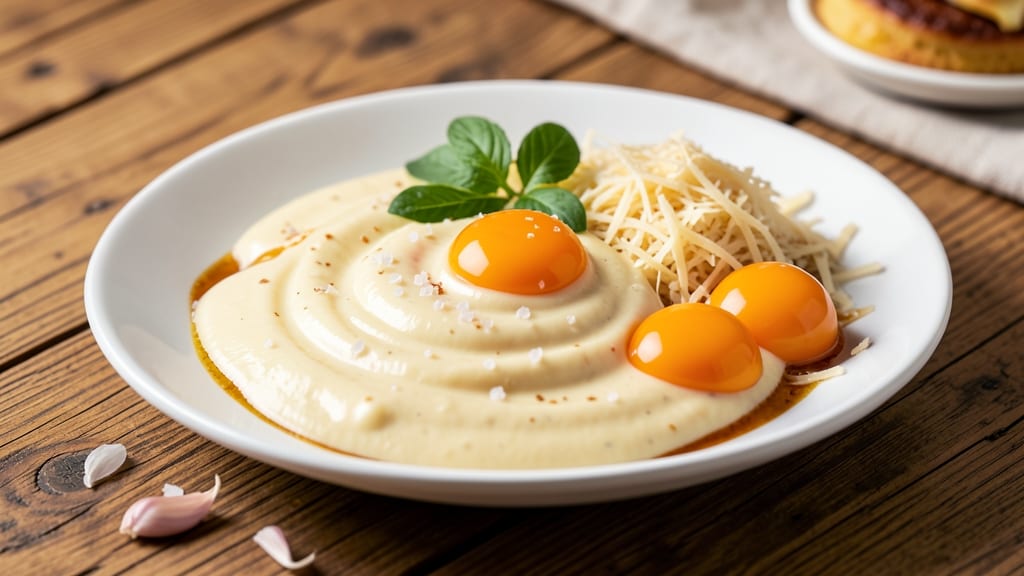
This authentic alfredo sauce recipe from scratch delivers the creamy, velvety texture you crave without the risk of curdling—no roux required. The secret lies in slow reduction and proper emulsification, where butter, heavy cream, and Parmesan work together to create a sauce so rich it clings to every noodle.
I've perfected this method over years of testing, ensuring it's foolproof for home cooks while staying true to Italian tradition.
The foundation begins with heavy cream and Parmesan cheese, gently heated to melt the cheese fully before adding egg yolks for that signature thickness. This method avoids the common pitfall of scrambled eggs, keeping the sauce smooth and luxurious.
A touch of garlic-infused cream adds depth, while a splash of pasta water ensures the sauce stays silky even after reheating.
What sets this sauce apart is its restaurant-quality consistency—creamy yet not heavy, with a subtle nutty richness from the Parmesan. It's the kind of sauce that transforms simple fettuccine into a luxurious meal, ready in just 20 minutes with minimal effort.
The best part? It reheats beautifully, making it perfect for leftovers or meal prep.
Use it immediately over hot pasta or store it for up to 5 days in the refrigerator, where the flavors deepen over time. For extra indulgence, finish with a sprinkle of fresh parsley or black pepper. Here's how to make it perfectly every time.
Ingredients for authentic alfredo sauce recipe from scratch
Nine essential ingredients transform into restaurant-quality alfredo without curdling risks.
| Ingredient | Amount | Notes |
|---|---|---|
| Unsalted Butter 🧈 | ¾ cup | Cold, cubed for gradual melting |
| Heavy Cream 🥛 | 1 ½ cups | Full-fat for maximum richness |
| Parmesan Cheese 🧀 | 1 ½ cups | Freshly grated, high-quality block |
| Large Egg Yolks 🥚 | 4 whole | Room temperature for smooth blend |
| Garlic Cloves 🧄 | 2 cloves | Minced for subtle depth |
| Diamond Crystal Kosher Salt 🧂 | ½ tsp | For seasoning balance |
| Freshly Ground Black Pepper 🌶️ | ¼ tsp | Freshly cracked for aroma |
| Fresh Pasta Water 💧 | ¼ cup | Reserved from cooking pasta |
| Extra-Virgin Olive Oil 🫒 | 1 tbsp | For emulsification stability |
| Fresh Parsley 🌿 | 2 tbsp | Chopped, for garnish |
The Parmesan and butter form the sauce's luxurious foundation. Grana Padano or Parmigiano-Reggiano from specialty shops like Eataly or Whole Foods deliver optimal flavor—avoid pre-grated versions, which contain anti-caking agents that prevent proper melting. For butter, Plugrá or Land O'Lakes unsalted cubes work best, as they contain higher fat content for stable emulsification. The heavy cream should be full-fat (36-40%)—anything less risks separation. I always buy mine in 1-pint cartons from Costco for consistency, though the standard grocery store brand suffices for home use.
No heavy cream? Half-and-half with 1 extra tablespoon of butter creates a close substitute, though the texture will be slightly lighter. Pre-grated Parmesan? Toast it in a dry pan for 2 minutes to remove excess moisture before grating fresh. The egg yolks must be room temperature—cold yolks cause the sauce to break. For garlic, roasted garlic adds sweetness without overpowering, though fresh minced works perfectly. The olive oil serves as an emulsifier, so avoid flavored varieties that may alter the sauce's delicate balance. Fresh parsley can be swapped for dried parsley at one-third the amount, though fresh provides superior color and aroma.
This sauce achieves peak flavor when used immediately, but it stores beautifully in an airtight container for up to 5 days in the refrigerator. To reheat, warm gently over low heat, stirring constantly, and finish with a splash of pasta water to restore silkiness. For longer storage, freeze in ice cube trays—thaw and whisk with a splash of warm water. The sauce thickens upon cooling, so add a teaspoon of milk or cream if too stiff after reheating. Portion into glass containers to preserve freshness and prevent absorption of fridge odors.
Why You'll Love This Recipe
- No-Fuss Technique: I swear by this method—just melt butter, whisk yolks into warm cream, then fold in cheese. No blender, no lumps, just smooth perfection every time.
- Rich Without Guilt: The butter and cream make it decadent, but the egg yolks add that velvety depth. Honestly, it’s the kind of sauce that makes you forget it’s "healthy" (or whatever you’re calling it).
- Weeknight to Dinner Party: Same simple steps whether I’m tossing it with pasta for Tuesday or drizzling it over steak for company. The garlic gives it that little extra punch that feels fancy without the fuss.
- Leftover Gold: This sauce actually tastes better the next day—thicker, more concentrated. I double the batch, freeze half, and always have a quick, restaurant-quality fix when I’m short on time.
Step-by-step instructions for authentic alfredo sauce
Here's the professional method for creamy, velvety alfredo with perfect balance and no risk of curdling.
Melt Butter and Infuse with Garlic
In a medium saucepan, melt the 0.75 cup unsalted butter over medium-low heat. Once fully melted, add the 2 cloves minced garlic and cook for 1-2 minutes until fragrant but not browned. This gentle cooking prevents bitterness while developing flavor.
Real talk: the butter should foam gently but not brown. If it starts to sizzle too vigorously, reduce heat immediately. The garlic should perfume the kitchen with its aroma without turning golden.
Gradually Incorporate Parmesan and Cream
Reduce heat to low and slowly whisk in the 1.5 cups freshly grated Parmesan cheese in small additions. After each addition, wait 30 seconds before continuing—this prevents clumping. Once fully incorporated, gradually add the 1.5 cups heavy cream while whisking constantly.
This gradual approach is critical. Adding cheese too quickly creates lumps that won't dissolve. The sauce should begin to thicken noticeably as the dairy proteins emulsify with the fat.
Temper the Egg Yolks for Perfect Emulsification
In a separate bowl, whisk together the 4 whole large egg yolks with 0.5 tsp Diamond Crystal kosher salt and 0.25 tsp freshly ground black pepper. Slowly ladle ½ cup of the hot cheese-cream mixture into the yolks while whisking vigorously to temper them.
This tempering step prevents curdling by gradually raising the egg temperature. You'll know it's properly tempered when the mixture thickens slightly but remains pourable. Return this tempered mixture to the saucepan.
Finish and Stabilize the Sauce
Return the tempered egg mixture to the saucepan and cook over very low heat, stirring constantly with a wooden spoon, until the sauce thickens to a pourable but coatable consistency (about 3-5 minutes). The sauce should cling to the back of a spoon but still flow smoothly.
Here's where the 1 tbsp extra-virgin olive oil comes in. Add it now and stir vigorously for 30 seconds—this creates a stable emulsion that won't separate. The oil coats the fat globules, preventing the sauce from breaking when combined with pasta.
Adjust Consistency and Garnish
If the sauce is too thick, thin with 1-2 tablespoons of reserved fresh pasta water until it reaches your desired consistency. For authentic Italian alfredo, it should coat the back of a spoon but still flow freely. Remove from heat and stir in the 2 tbsp chopped fresh parsley just before serving.
The parsley adds freshness and color without altering the sauce's delicate balance. Serve immediately over freshly cooked pasta—the sauce continues to thicken slightly as it sits, so don't over-adjust the consistency.
Pro Tips For Making Authentic Alfredo Sauce Recipe From Scratch
- Temper the Cream Slowly: Heat the heavy cream over medium-low—never simmering—until it just begins to shimmer at the edges. I learned this the hard way: rushing it causes the yolks to scramble when you add them later, and no one wants lumpy Alfredo. Keep it moving gently, like you’re whispering to it.
- Grate the Cheese Fresh: Skip the pre-shredded Parmesan—it’s coated with anti-caking agents that make the sauce grainy. Use a microplane or fine grater and zest the rind too; it adds depth without overpowering. Yes, it takes 30 seconds extra, but the texture makes a real difference.
- Melt Butter in Stages: Don’t dump all the butter in at once. Melt half first, then add the garlic (minced, not pressed—it burns too fast), and let it sizzle for 30 seconds until fragrant. Then add the rest of the butter while stirring constantly. This keeps the sauce rich without burning the garlic flavor.
- Whisk Yolks Like Your Life Depends on It: Beat the egg yolks with a fork or whisk until they’re pale yellow and ribbony—no streaks. Pour the hot cream into the yolks slowly, a splash at a time, whisking furiously. I was skeptical until I tried it: this emulsifies the sauce instantly and prevents curdling. (Your future self will thank you.)
Troubleshooting great authentic alfredo sauce recipe from scratch
Lumpy Cheese Fix
If your Parmesan creates clumps during heating, immediately remove the pan from heat and whisk vigorously for 30 seconds—this breaks up the lumps. For stubborn clumps, strain the sauce through a fine-mesh sieve into a clean saucepan.
To prevent this, always use freshly grated Parmesan (pre-grated contains anti-caking agents) and add it gradually while whisking constantly over low heat. 🧀
Curdled Sauce Recovery
If your sauce curdles from overheating or too-quick egg addition, don't panic! Remove from heat immediately, then whisk in 1 tablespoon cold heavy cream to stabilize. For a smoother texture, strain through a fine-mesh sieve, then thin with 1-2 tablespoons pasta water if needed.
The key is low, gentle heat—never let it boil after adding eggs. 🔥
Separation Issues
If your sauce separates into layers, it's likely due to improper emulsification. Whisk in 1 tablespoon extra-virgin olive oil and 1 tablespoon cold heavy cream, then reheat gently while whisking constantly.
For stubborn separation, add 1-2 tablespoons reserved pasta water and whisk vigorously to re-emulsify. The olive oil acts as an emulsifier, binding the fat and liquid together. 🫒
Overly Thick Sauce
If your sauce is too thick after cooking, thin it with 1-2 tablespoons reserved pasta water while whisking. For a smoother consistency, add 1 tablespoon cold heavy cream and whisk until fully incorporated.
Remember, the sauce will thicken further as it cools—stop thinning when it reaches a pourable but coatable consistency. 💧
Grainy Texture
A grainy texture usually means the Parmesan wasn't fully melted or incorporated. Remove the pan from heat and whisk vigorously for 1 minute, then return to very low heat and stir gently until smooth.
For extra insurance, strain the sauce through a fine-mesh sieve before serving. Always grate your own Parmesan using a microplane for the finest texture. 🧀
Weak Flavor Profile
If your sauce tastes bland, it likely needs more salt or acid balance. Add ¼ teaspoon Diamond Crystal kosher salt and ½ teaspoon lemon juice while whisking. For deeper flavor, infuse the heavy cream with 1 minced garlic clove while heating (strain before adding to sauce).
Freshly grated nutmeg (¼ teaspoon) also enhances the Parmesan flavor. 🌶️
Nutrition facts
Frequently asked questions
Why do some recipes use egg yolks while others don't?
Egg yolks are essential for authentic alfredo because they create the signature creamy, velvety texture through emulsification. Without them, the sauce becomes more like a simple cheese cream sauce. The yolks bind the fat and liquid together, creating that luxurious mouthfeel. For a lighter version, you can reduce yolks to 2 or use 1 whole egg, but expect a slightly thinner consistency.
Can I make this sauce without heavy cream?
Yes, but the texture will differ. Replace the heavy cream with 1 cup half-and-half plus 1 extra tablespoon of butter for a lighter version. For a dairy-free option, use 1 cup full-fat coconut milk (unsweetened) and add 1 teaspoon cornstarch to thicken. The flavor will be subtly different, but the technique remains the same—just reduce heat to prevent curdling.
How do I prevent my sauce from separating?
Separation happens when fat and liquid aren't properly emulsified. To avoid this, always whisk constantly when combining ingredients and never let the sauce boil after adding eggs. The 1 tablespoon olive oil in this recipe acts as an emulsifier—don't skip it! If separation occurs, whisk in 1 tablespoon cold heavy cream and reheat gently while stirring continuously. The key is patience and low, steady heat.
Can I make this sauce ahead of time?
Store the sauce in an airtight container in the refrigerator for up to 5 days. The flavors actually deepen over time. When reheating, warm over low heat while stirring constantly, and finish with a splash of pasta water to restore silkiness. For longer storage, freeze in ice cube trays—thaw and whisk with a splash of warm water to smooth out any separation.
What's the best pasta to use with this sauce?
Traditional Italian alfredo pairs perfectly with fettuccine or tagliatelle—their flat, wide surfaces create ideal surface area for sauce clinging. For extra indulgence, try pappardelle or fregola sarda (Sardinian pasta). Avoid thin noodles like spaghetti, as they can't hold the rich sauce well. Always cook pasta al dente and reserve ½ cup pasta water—it's the secret to silky sauce consistency!