
Sauces & Condiments
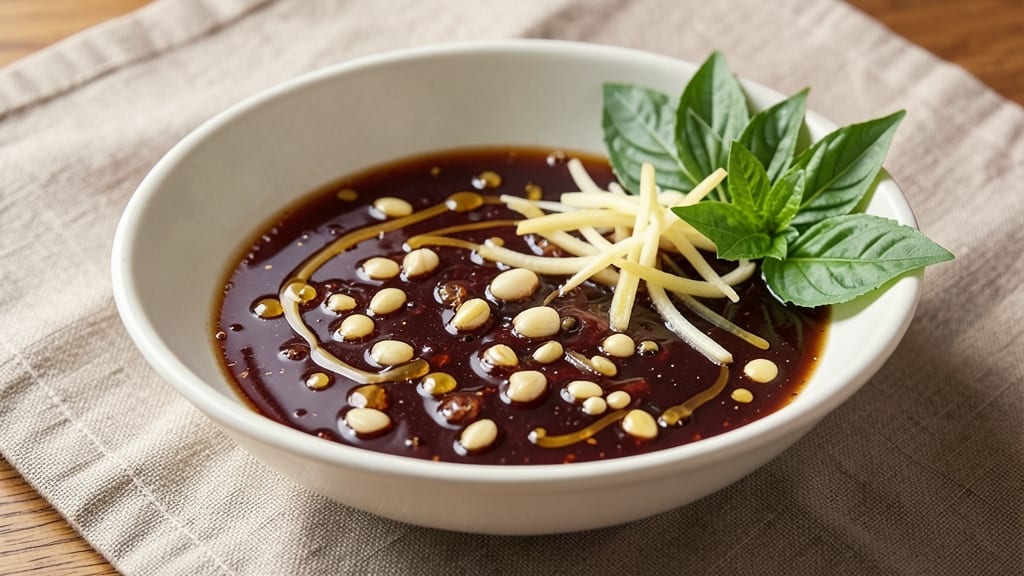
This Asian seafood sauce recipe transforms simple stir-fries into restaurant-worthy masterpieces with just a few pantry staples. The secret lies in balancing salty fish sauce, sweet honey, and aromatic shallots for a glossy, umami-rich sauce that clings perfectly to seafood.
I developed this recipe after years of testing—it’s the one sauce that elevates shrimp, squid, or even tofu from ordinary to extraordinary with minimal effort.
The foundation of this sauce is a trio of essential ingredients: fish sauce for that signature umami depth, soy sauce for saltiness, and honey to balance the flavors with natural sweetness.
Fresh garlic, ginger, and shallots infuse the sauce with aromatic warmth, while a splash of lime juice brightens the finish. The result is a versatile sauce that works as a marinade, dipping sauce, or glaze—no matter how you use it, the flavors shine.
What makes this sauce stand out is its foolproof simplicity—just 10 minutes of prep, and it’s ready to use. The sauce keeps well in the fridge for up to a week, making it perfect for meal prep.
Whether you’re searing shrimp, stir-frying squid, or tossing tofu, this sauce adds a glossy sheen and layers of flavor that turn any dish into a standout. The best part? It’s adaptable—add a splash of rice vinegar for tang or a pinch of chili flakes for heat.
For maximum flavor, let the sauce sit for at least 30 minutes before using—this allows the aromatics to meld and deepen. Store any leftovers in an airtight container, and you’ll have a ready-to-use sauce for your next seafood feast. This isn’t just a sauce; it’s the game-changer your stir-fry deserves.
Ingredients for asian seafood sauce
Nine essential ingredients for a restaurant-quality sauce that transforms seafood dishes instantly.
| Ingredient | Amount | Notes |
|---|---|---|
| Reduced Soy Sauce 🍶 | ⅓ cup | Light or dark variety preferred |
| Reduced Fish Sauce 🐟 | ¼ cup | High-quality, 100% pure |
| Honey 🍯 | ¼ cup | Wildflower or clover preferred |
| Shallots 🧅 | 3 whole | Minced finely for aromatic punch |
| Garlic Cloves 🧄 | 4 cloves | Peeled, minced for depth |
| Fresh Ginger 🌿 | 1 tbsp | Grated, not powdered |
| Fresh Lime Juice 🍋 | ¼ cup | Strained for clarity |
| Sesame Oil 🫒 | 1 tbsp | Toasted for nutty aroma |
| Water 💧 | ½ cup | Room temperature preferred |
| Cornstarch 🌾 | 1 tbsp | For glossy finish |
The fish sauce is non-negotiable here—Red Boat or Three Crabs are my go-tos for that authentic umami punch. Grab the reduced soy sauce from the Asian aisle (not the regular stuff), and skip the pre-minced garlic—freshly minced makes all the difference. Shallots add a subtle sweetness that rounds out the sauce beautifully. For ginger, freshly grated beats powdered every time—it’s the aromatic backbone of this sauce. If you’re short on time, Thai Bird brand fish sauce is widely available and reliable.
No fish sauce? Soy sauce plus a splash of Worcestershire can mimic some of that depth, though it won’t be identical. Swap honey for maple syrup or agave if you’re avoiding it, but honey’s floral notes balance the saltiness perfectly. The cornstarch is key for that glossy finish—arrowroot powder works too—but don’t skip it. For extra brightness, add a pinch of rice vinegar or a dash of chili flakes if you’re feeling adventurous. The sesame oil should be toasted—Kadoya brand is my favorite for that nutty aroma without overpowering.
This sauce keeps beautifully for 1 week in the fridge, sealed in an airtight container. For longer storage, freeze it in ice cube trays—perfect for single-use portions. Shake or whisk before using to restore that glossy texture. The flavors actually deepen overnight, so making a batch ahead is worth it. If you’re prepping for a crowd, double the recipe—it’s that versatile.
Why You'll Love This Recipe
- Five-Ingredient Magic: I swear by this combo—soy, fish sauce, honey, and those two aromatics. No fancy techniques, just a quick simmer while you prep the rest of your meal. Honestly, the sauce builds itself.
- Umami Bomb: That first hit of reduced fish sauce and shallots? Chef’s kiss. The honey rounds it out so you don’t get overwhelmed, but the garlic lingers like a hug. It’s the kind of flavor that makes you pause mid-bite.
- Weeknight Swiss Army: Drizzle it over grilled shrimp, toss with stir-fried veggies, or slather it on rice bowls. Even my picky roommate devours it—no complaints when it’s this versatile. (Yes, even on a Tuesday night.)
- Leftovers That Don’t Suck: This sauce keeps for weeks in the fridge, and it only gets better as the flavors meld. I make a big batch, freeze half, and still have it for emergencies. Budget-friendly? Absolutely. Lazy-friendly? Even more so.
Step-by-step instructions for Asian seafood sauce
This umami-rich sauce transforms simple stir-fries into restaurant-worthy dishes.
Build the Aromatic Base
Heat the 1 tablespoon sesame oil in a medium saucepan over medium heat. Add the 3 whole shallots that have been finely minced and the 4 cloves garlic cloves that you've peeled and minced. Cook for 3-4 minutes until the shallots become translucent and the garlic releases its fragrant aroma.
Here's where the magic begins. You'll smell the garlic soften and the shallots caramelize slightly—this is your signal they're ready for the next ingredients. If the shallots start to brown too quickly, reduce the heat to medium-low to prevent burning. The goal is to develop deep flavor without color.
Add Wet Ingredients and Simmer
Next, stir in the 1 tablespoon fresh ginger that you've grated, followed by the 0.33 cup reduced soy sauce and 0.25 cup reduced fish sauce. Let the mixture bubble gently for 2 minutes to allow the flavors to meld together. Then add the 0.25 cup honey and 0.25 cup fresh lime juice, stirring constantly to combine.
This is when the sauce starts to take shape. The honey will begin to dissolve, creating a glossy sheen, while the lime juice adds a bright, balancing acidity. Keep the heat at medium—you want the sauce to simmer gently but not boil vigorously. If it gets too thick too quickly, add 1-2 tablespoons of the 0.5 cup water to maintain a smooth consistency.
Thicken for Glossy Perfection
In a small bowl, whisk together the 1 tablespoon cornstarch with 2 tablespoons of the 0.5 cup water until completely dissolved. Slowly pour this slurry into the simmering sauce while stirring continuously with a wooden spoon. The sauce will begin to thicken almost immediately—keep stirring for 1-2 minutes until it reaches a glossy, coatable consistency.
You're looking for a sauce that's thick enough to cling to proteins and vegetables but still flows smoothly. If it's too thin, add another 1 tablespoon of cornstarch mixed with 1 tablespoon water. For best results, remove the sauce from heat as soon as it reaches this perfect consistency—overcooking can make it too thick and lose its vibrant color.
Finish and Rest
Return the sauce to low heat and let it simmer gently for 30 seconds to fully incorporate all the flavors. Taste and adjust the seasoning—you might want to add a pinch more soy sauce for saltiness or a splash more lime juice for brightness. Once satisfied, transfer the sauce to a bowl and let it rest at room temperature for 10 minutes. This resting period allows the flavors to truly meld together.
After resting, your sauce should be glossy, aromatic, and perfectly balanced between sweet, salty, umami, and tangy notes. It's now ready to elevate any seafood stir-fry, grilled shrimp, or even drizzled over rice bowls. The sauce will keep in the refrigerator for up to 5 days, though it's best used within 2-3 days for maximum freshness.
Pro Tips For Making Asian Seafood Sauce
- Cook Shallots Low and Slow: I learned this the hard way—frying shallots too fast turns them bitter. Simmer them in the sauce for 5-7 minutes on medium-low heat until soft and translucent, not browned. This builds depth without overpowering the honey’s sweetness.
- Balance Fish Sauce Gradually: Fish sauce is potent, and I used to dump it all in at once. Instead, start with half the amount, taste, then add more. You’re aiming for umami, not a salty punch—this sauce should taste complex, not harsh.
- Use Raw Garlic for Punch: Minced garlic burns fast, so I skip pre-mincing. Smash 2-3 cloves with the side of your knife, then let them sit in the hot pan for 30 seconds before stirring. This unlocks their flavor without turning the sauce bitter.
- Simmer Honey at the End: Honey burns in seconds, and I’ve ruined batches by adding it too early. Stir in the honey during the last 2 minutes of cooking—just until it’s fully dissolved. This keeps the sauce glossy and sweet, not caramelized.
Perfect pairings for asian seafood sauce
Seafood Pairings
This sauce shines with shrimp—toss 1 pound large shrimp in 1 tablespoon cornstarch before stir-frying, then coat with sauce. For squid, slice into rings and sear until tender, then finish with sauce and a sprinkle of toasted sesame seeds.
I love pairing it with white fish fillets like cod or halibut, where the sauce creates a glossy, flavorful crust. 🐟
Vegetable Complements
Bright, crisp vegetables balance the sauce’s richness. Try bell peppers (red or yellow), bok choy, or snap peas—their crunch contrasts beautifully. For extra depth, add shredded carrots sautéed in 1 teaspoon sesame oil until tender.
I often stir-fry a mix of these veggies first, then toss the seafood in the sauce at the end. ✨
Rice Bowl Elevation
Transform simple rice bowls by drizzling this sauce over jasmine rice or steamed cauliflower rice. Top with quick-pickled cucumbers (slice ½ English cucumber into rounds, toss with 1 tablespoon rice vinegar and a pinch of sugar) and crispy fried shallots.
For protein, add grilled chicken or tofu for a vegetarian twist. 🍚
Dipping Sauce Magic
Use this sauce as a dipping sauce for spring rolls, pork belly slices, or grilled calamari. Thin it slightly with 1 tablespoon water if needed for easier dipping.
For extra flair, garnish with chili oil or lime zest before serving. I keep a small bowl of this sauce on the table for spontaneous dipping—it’s a crowd-pleaser at parties. 🍢
Marinade Potential
Marinate fish fillets or shrimp in this sauce for 15-30 minutes before cooking for intense flavor. The honey and fish sauce create a sticky, caramelized crust when grilled or pan-seared.
I love using it on salmon—just brush the sauce on during the last 2 minutes of cooking. For extra tenderness, add 1 teaspoon honey to the marinade. 🐟🔥
Drink Pairings
A crisp Sake cocktail (mix 2 oz sake, 1 oz yuzu juice, and ½ oz honey syrup) complements the sauce’s sweet-savory notes. For beer lovers, a Japanese lager like Asahi Super Dry cleanses the palate.
If you prefer wine, a dry Riesling** with its citrus acidity balances the umami perfectly. 🍶
Nutrition facts
Frequently asked questions
Can I make this sauce without fish sauce?
Yes, but the umami depth will change. Replace ¼ cup fish sauce with ¼ cup soy sauce plus 1 teaspoon Worcestershire sauce for a similar salty-savory profile. For extra richness, add 1 teaspoon miso paste (white or red). The sauce will still taste delicious but won't have that signature Asian seafood complexity.
How do I adjust the thickness for dipping vs. glazing?
For a dipping sauce, thin with 1-2 tablespoons water until it coats a spoon smoothly. For a glazing sauce, reduce the cornstarch to ½ tablespoon and simmer longer to create a thicker, stickier consistency. Pro tip: If using as a glaze, add 1 teaspoon honey extra to prevent drying out during cooking.
Why did my sauce turn cloudy or separate?
Cloudiness usually means the cornstarch didn't dissolve properly. Whisk the slurry vigorously before adding it to the sauce. Separation can happen if you add cold water too quickly—always use room-temperature water. For a quick fix, reheat gently while stirring until smooth. If it's too thick, thin with 1 teaspoon water at a time.
Can I use this sauce on non-seafood dishes?
It works beautifully on grilled chicken, tofu stir-fries, or even roasted vegetables. For meat dishes, reduce the fish sauce to 2 tablespoons and add 1 teaspoon oyster sauce for deeper flavor. The sweet-savory balance translates well beyond seafood—just adjust the saltiness to taste.
How long can I store homemade seafood sauce?
In an airtight container, it keeps for 5-7 days in the fridge and 3 months in the freezer. For freezing, portion into ice cube trays—thaw overnight in the fridge before using. The sauce actually improves after 24 hours as flavors meld, so making a batch ahead is ideal. Always check for mold or off smells before using.