
Sauces & Condiments
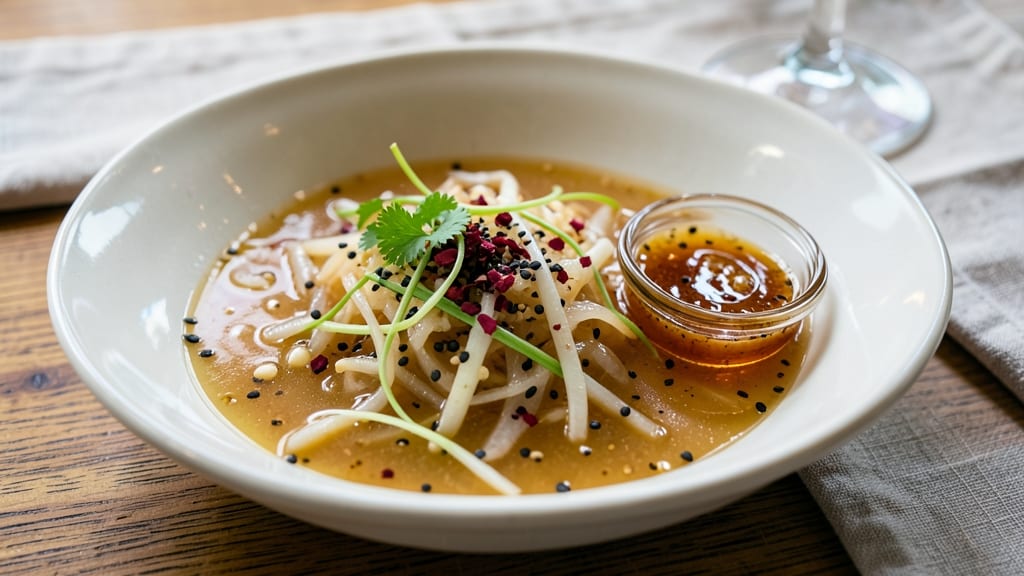
This Asian coleslaw sauce recipe transforms ordinary slaw into a vibrant, tangy-spicy masterpiece that balances sweet, savory, and umami notes perfectly.
The secret lies in a precise blend of soy sauce, rice vinegar, and sesame oil, which creates a dressing that clings beautifully to crisp cabbage while adding depth without overpowering. I developed this after years of testing—it’s the one sauce that elevates even simple store-bought coleslaw to restaurant-quality levels.
The foundation starts with a simple yet effective mix of honey or sugar for sweetness, rice vinegar for acidity, and soy sauce for umami depth. A touch of sesame oil adds that unmistakable nutty aroma, while a pinch of red pepper flakes introduces just the right amount of heat.
The dressing is designed to be versatile—equally at home on crunchy cabbage, shredded carrots, or even as a dipping sauce for spring rolls.
What sets this sauce apart is its ability to stay balanced: the sweetness mellows the sharpness of vinegar, while the sesame oil and soy sauce create a rich, savory backbone. The result is a glossy, clingy dressing that enhances every bite of your coleslaw without drowning it.
It’s a game-changer for anyone who’s ever struggled with bland or overly sweet slaw dressings.
This recipe is quick to make—just 5 minutes of whisking—and keeps well in the fridge for up to a week, making it perfect for meal prep.
Whether you’re serving it alongside grilled meats, in a Vietnamese summer roll, or as a standalone side, this sauce will become your go-to for adding bold Asian-inspired flavor to any dish.
Ingredients for asian coleslaw sauce
Eight simple ingredients create this vibrant, restaurant-quality Asian coleslaw sauce.
| Ingredient | Amount | Notes |
|---|---|---|
| Rice Vinegar 🍶 | ½ cup | White or seasoned, but white preferred |
| Sesame Oil 🫒 | 2 tbsp | Toasted sesame oil for authentic aroma |
| Soy Sauce 🍶 | ¼ cup | Light or dark, but light preferred |
| Honey 🍯 | ¼ cup | Or light brown sugar for vegan option |
| Toasted Sesame Seeds 🌰 | 2 tbsp | For garnish and crunchy texture |
| Red Pepper Flakes 🌶️ | 1 tsp | Adjust for heat preference |
| Garlic Cloves 🧄 | 2 cloves | Minced for aromatic depth |
| Fresh Ginger 🌿 | 1 tbsp | Grated, for zesty kick |
| Salt 🧂 | 1 tsp | Kosher or sea salt |
| Black Pepper 🌶️ | ½ tsp | Freshly ground preferred |
The sesame oil is the secret ingredient here—Kadoya or La Choy are my go-tos, but any toasted sesame oil works. Grab the white rice vinegar from the Asian aisle (the seasoned kind adds too much sweetness). Honey or sugar? I use honey for its floral notes, but light brown sugar works perfectly if you're avoiding refined sweeteners. For the ginger, fresh is best—freeze any extra in ice cube trays for future use. The garlic cloves should be peeled and minced finely so they blend seamlessly into the sauce.
No sesame oil? Toasted peanut oil at half the amount gives a similar nutty depth. Short on ginger? Substitute with 1/4 tsp ground ginger, but fresh is worth the effort. The red pepper flakes can be swapped for fresh chili paste—just reduce the amount to 1/2 tsp. For a vegan version, skip the honey and use maple syrup instead. The sauce keeps well for 1 week—just shake it up before each use to redistribute the sesame seeds. If it thickens over time, a splash of warm water brings it back to perfection.
Store in an airtight jar in the fridge, with the sesame seeds on top. Keeps for up to 1 week—the flavors actually meld better after a day or two. For meal prep, I double the batch and portion it into small containers. Perfect for Vietnamese summer rolls, grilled meats, or even drizzled over noodle bowls. The sauce thickens when chilled, so give it a quick whisk before using. Garnish with extra sesame seeds right before serving for that restaurant-quality crunch.
Why You'll Love This Recipe
- Five-Ingredient Magic: I swear by this combo—just rice vinegar, sesame oil, soy sauce, honey, and sesame seeds. No fancy gadgets, no stress. The sauce comes together while you chop veggies, and honestly? That’s the kind of recipe that makes me feel like a cooking pro.
- Umami Crunch Bomb: The toasted sesame seeds add this perfect crunch, while the soy sauce and honey balance the tangy vinegar. It’s bright, it’s nutty, it’s addictive—the kind of flavor that makes you want to drizzle it on everything.
- Leftover Superstar: This sauce keeps for weeks in the fridge, and it only gets better as the flavors meld. I make a big batch on Sundays, toss it in meal prep containers, and suddenly, every stir-fry, rice bowl, or sandwich feels like a restaurant dish.
- Budget Brightener: Sesame oil and soy sauce are cheap, but they punch way above their price. A little goes a long way, and you’ll end up with enough to dress up takeout, noodles, or even a simple salad—no extra grocery trips needed. My wallet and taste buds thank me.
Step-by-step instructions for Asian coleslaw sauce
This tangy-spicy sesame dressing comes together in minutes with simple ingredients.
Prep the Aromatics
Start by mincing the 2 cloves garlic cloves and grating the 1 tablespoon fresh ginger using a fine grater or microplane. You want the ginger to be very fine—almost like a paste—so it blends smoothly into the sauce. I like to use a microplane because it gives me more control over the texture.
Set these aside in a small bowl. The fresh ginger will add that signature zesty kick that balances the sweetness of the honey, while the garlic provides aromatic depth. Don't skip this step—these ingredients are the flavor foundation of your sauce.
Combine Wet Ingredients
In a medium bowl, whisk together the 0.5 cup rice vinegar, 0.25 cup soy sauce, and 0.25 cup honey until fully combined. The mixture should be smooth with no visible streaks of honey. If you're using light brown sugar instead of honey, dissolve it completely in the vinegar first to prevent graininess.
Next, add the minced garlic and grated ginger to the bowl. Whisk again until everything is well incorporated. The sauce should smell vibrant—bright from the vinegar, savory from the soy sauce, and warm from the honey. This is where all the flavors start to meld together.
Add Oil and Seasonings
Drizzle in the 2 tablespoons sesame oil while continuing to whisk. The oil should emulsify with the other ingredients, creating a glossy, cohesive dressing. Add the 1 teaspoon red pepper flakes, 1 teaspoon salt, and 0.5 teaspoon black pepper, whisking gently to distribute these evenly.
Here's where it gets good—taste the sauce as you go. You might want to adjust the heat by adding more or less red pepper flakes, or balance the sweetness with a touch more soy sauce. The sauce should taste tangy, slightly sweet, with a subtle kick of heat and umami. If it needs more depth, add a splash of water or a bit more rice vinegar.
Incorporate Sesame Seeds
Stir in the 2 tablespoons toasted sesame seeds just before serving. These add a delightful crunch that contrasts beautifully with the creamy texture of the coleslaw. If you're making the sauce ahead of time, hold off on adding the sesame seeds until you're ready to serve to keep them fresh and crunchy.
Give the sauce one final taste and adjust the seasoning if needed. The perfect Asian coleslaw sauce should coat the back of your spoon with a balance of tang, sweetness, and heat. This dressing works wonders not just on coleslaw but also on grilled meats, noodles, or even as a marinade for tofu.
Pro Tips For Making Asian Coleslaw Sauce
- Whisk in stages: Start with the rice vinegar and honey first—they blend smoothly without clumping. Then add soy sauce and sesame oil last, because mixing them too early can turn your sauce bitter. I learned this after one batch tasted weirdly off; the oil was separating prematurely.
- Toast seeds fresh: Skip the pre-toasted sesame seeds from the store—they lose flavor fast. Dry-toast your own in a small pan over medium-low heat for 2-3 minutes, stirring constantly, until they smell nutty. Overcook them, and they’ll turn bitter; undercook, and they’ll taste bland.
- Balance the honey: Too much honey? Your sauce will taste cloying. Too little? It’ll lack depth. Start with 1 tablespoon per 2 tablespoons rice vinegar, then adjust to taste—this ratio works 90% of the time. If you’re unsure, add a splash of water to thin it out later.
- Chill before serving: Let the sauce sit at room temp for 10 minutes after mixing—this lets the flavors meld. Then refrigerate for at least 30 minutes before tossing with coleslaw. Cold sauce clumps; rested sauce clings perfectly. (Yes, even if you’re impatient like me.)
Dietary considerations for these flavors
Gluten-Free Adaptations
This sauce is naturally gluten-free when using tamari instead of soy sauce—I always keep a bottle of San-J brand tamari on hand for this exact purpose. Tamari has the same umami depth but without the gluten.
The rest of the ingredients are already gluten-free, so no other substitutions are needed. Just swap the soy sauce measurement for an equal amount of tamari. 🌱
Vegan-Friendly Options
For a fully plant-based version, replace the honey with maple syrup or agave nectar—I use 100% pure maple syrup from Vermont for the best flavor. The sauce will still have that perfect balance of sweetness and tang.
All other ingredients are already vegan, so no additional changes are required. The texture remains glossy and clingy, just like the original.
Low-Sugar Versions
If you're watching your sugar intake, reduce the honey to 2 tablespoons and add 1 tablespoon of rice vinegar to compensate for the lost sweetness. For a completely sugar-free option, try monk fruit sweetener—I use Lakanto brand because it dissolves smoothly without graininess.
The sauce will still taste balanced, just with a slightly sharper tang to complement the umami.
Nut-Free Adjustments
Sesame oil is the star of this sauce, but if you need to avoid nuts, substitute with 1 tablespoon of neutral oil (like avocado oil) plus 1/2 teaspoon of ground coriander for depth.
The coriander adds a subtle citrus note that mimics sesame's complexity. For the sesame seeds, use 1 tablespoon of pumpkin seeds instead—they provide a similar crunch without the nutty flavor profile.
Spice-Free Alternative
Skip the red pepper flakes entirely for a mild version, but don't omit the heat completely—add 1/2 teaspoon of ground white pepper instead. It adds subtle warmth without the sharpness of chili flakes.
For extra brightness, increase the ginger to 1.5 tablespoons to enhance the zesty flavor. This version works beautifully with delicate ingredients like shredded cucumbers or jicama.
Allergen-Friendly Notes
This sauce is typically safe for those with common allergies, but always double-check your ingredients. Sesame seeds are a top allergen—use them sparingly if needed. For soy allergies, tamari is the only safe swap.
If you're allergic to garlic or ginger, omit them and boost the rice vinegar by 1 tablespoon to keep the tangy brightness. The sauce remains versatile even with these adjustments. ✨
Nutrition facts
Frequently asked questions
Can I make this sauce without sesame oil?
Yes! Replace the 2 tablespoons sesame oil with 1 tablespoon neutral oil (like avocado or canola) plus ½ teaspoon ground coriander for depth. The coriander adds a citrusy note that mimics sesame's complexity. For nut-free crunch, use pumpkin seeds instead of sesame seeds. The flavor will still be rich and balanced, just with a slightly different profile.
How long does this sauce keep in the fridge?
The sauce stays fresh for up to 1 week when stored in an airtight container. The flavors actually improve after 24 hours as the ingredients meld together. If it thickens, simply whisk in 1 tablespoon water to restore its glossy consistency. Always add the sesame seeds fresh before serving to maintain their crunch.
What's the best way to adjust the spice level?
Start with the 1 teaspoon red pepper flakes—this gives a mild kick. For more heat, add ½ teaspoon at a time—each addition increases the spice noticeably. If you prefer no heat, swap the flakes for ½ teaspoon ground white pepper instead. The ginger and garlic already provide natural warmth, so you won't lose the sauce's depth.
Can I use this sauce on other dishes besides coleslaw?
This versatile sauce works beautifully on grilled chicken, pork skewers, or tofu—just brush it on before cooking. It also makes an excellent dipping sauce for spring rolls, dumplings, or fresh spring rolls. For noodle bowls, drizzle it over cold or hot noodles. The balance of sweet, tangy, and umami makes it a perfect all-purpose dressing.
Why did my sauce separate?
Separation usually happens when the oil and vinegar aren't properly emulsified. To fix it, whisk in 1 teaspoon cornstarch—mixed with 1 tablespoon water—while whisking vigorously. This creates a natural thickener that binds the ingredients. For prevention, whisk the sauce vigorously for 30 seconds** after adding the sesame oil, and store it in the fridge until ready to use.