
Sauces & Condiments
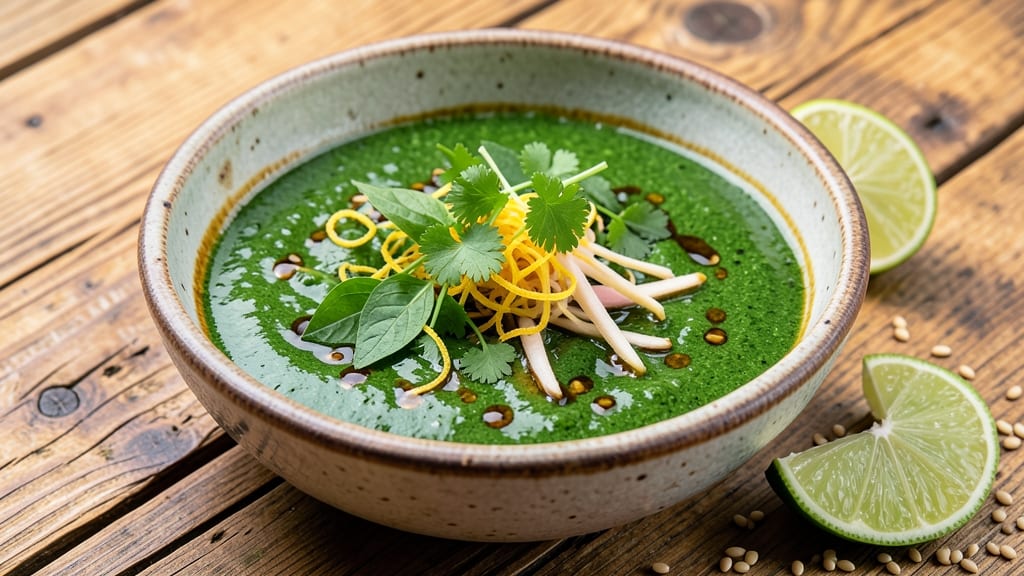
This Asian chimichurri sauce transforms grilled meats, noodles, and vegetables into vibrant, flavor-packed masterpieces with just a drizzle. 🌟 The secret lies in balancing bright lime, aromatic herbs, and umami-rich soy sauce—creating a sauce that’s fresh yet deeply savory, perfect for adding instant depth to any dish.
Unlike traditional chimichurri, this version swaps parsley for Thai basil and cilantro, while sesame oil and ginger introduce warm, earthy notes that elevate everything it touches.
The beauty of this sauce is its versatility—it works as a marinade for tenderizing meats, a zesty dipping sauce for spring rolls, or a finishing drizzle over steaming bowls of pho.
The ingredients come together in minutes, but the flavor develops even more as it sits, allowing the herbs to infuse and the lime to brighten. For best results, let the sauce rest for at least 30 minutes before using, so the flavors meld into a cohesive, addictive blend.
What makes this sauce truly special is how it bridges two culinary worlds—herbal brightness meets Asian umami, creating something entirely new. The texture is silky yet bright, with just enough body to cling to grilled proteins or noodles without overwhelming them.
It’s the kind of sauce that turns a simple meal into a restaurant-worthy experience, all while keeping prep effortless.
Store any leftovers in an airtight container in the fridge for up to 5 days, where the flavors will only deepen over time. Pair it with grilled chicken, pork skewers, or even cold rice noodle salads for a burst of freshness that keeps every bite exciting.
Ready to elevate your dishes? Let’s make this sauce.
Ingredients for asian chimichurri sauce
Nine ingredients blend bright herbs, zesty lime, and umami depth for this vibrant Asian-inspired chimichurri.
| Ingredient | Amount | Notes |
|---|---|---|
| Fresh Thai Basil Leaves 🌿 | 1 ½ cups | Packed, stems removed |
| Fresh Cilantro Leaves 🌿 | ½ cup | Packed, stems removed |
| Lime Juice 🍋 | ½ cup | Freshly squeezed |
| Sesame Oil 🫒 | 2 tbsp | Toasted sesame preferred |
| Light Soy Sauce 🍶 | 2 tbsp | Low-sodium preferred |
| Fresh Ginger 🌿 | 1 tbsp | Finely grated |
| Minced Garlic Cloves 🧄 | 3 whole | Freshly minced |
| Extra-Virgin Olive Oil 🫒 | ½ cup | High-quality preferred |
| Honey 🍯 | 1 tbsp | Or agave for vegan option |
| Sesame Seeds 🌾 | 1 tbsp | Toasted for garnish |
The herbs are the heart of this sauce—Thai basil brings that signature anise-like aroma while cilantro adds freshness. Trader Joe's or Asian markets often carry the best Thai basil, but any fresh herb section should have it. Look for leaves that are bright green, not wilted or yellowing. The ginger and garlic should be firm and aromatic—no shriveled roots here. For sesame oil, Kadoya or La Choy are reliable brands that deliver that nutty, toasted flavor. If you can't find toasted sesame seeds, lightly toast regular seeds in a dry pan for 2 minutes until fragrant.
No Thai basil? Regular basil or mint works in a pinch, though the flavor will differ slightly. Short on lime juice? Lemon juice at half the amount brightens things up but lacks the same depth. The honey adds balance—agave or maple syrup are great vegan alternatives. If you prefer less sweetness, reduce to 1 teaspoon. For extra umami, swap soy sauce for tamari or coconut aminos. The olive oil should be fruity and high-quality; California-based oils like Corto or Otto elevate the sauce further.
This sauce keeps beautifully—5 days in the fridge, sealed in an airtight container with a thin layer of olive oil on top to preserve freshness. For longer storage, freeze in ice cube trays for up to 3 months. Thaw overnight in the fridge before using. The flavors actually deepen as it sits, so making a batch ahead for grilling season is a game-changer. Garnish with toasted sesame seeds right before serving to add crunch and visual appeal.
Why You'll Love This Recipe
- No-Chop Necessary: I swear by this—just rough-chop the Thai basil and cilantro, no dicing, no fuss. The lime juice and soy sauce do the work for you, blending into a bright, punchy sauce that still packs serious flavor without the prep.
- Umami Zing: That sesame oil hit? Chef’s kiss. It cuts through the fresh herbs and lime like a whisper, leaving this sauce with a salty, nutty depth that makes it way more interesting than your average green sauce. Drizzle it on grilled fish or noodles—trust me, you’ll reach for it again.
- Weeknight Magic: I keep a jar of this in the fridge for lazy nights when I’m tossing together stir-fries or quick bowls. It turns a simple meal into something that feels intentional, and honestly? It’s the secret to making takeout taste homemade in five minutes flat.
- Budget Brightener: Fresh herbs and lime might seem fancy, but a little goes a long way here—this sauce stretches over multiple meals without breaking the bank. Plus, the soy sauce and sesame oil are pantry staples, so you’re not chasing down obscure ingredients for a flavor boost.
Step-by-step instructions for Asian chimichurri sauce
This vibrant sauce comes together in minutes with fresh herbs and bright citrus.
👨🍳 Step 1: Prep and Combine the Herbs
In a large mixing bowl, combine the 1.5 cups fresh Thai basil leaves and 0.5 cup fresh cilantro leaves. I like to use my fingers to gently pack the leaves tightly—this helps maximize their flavor extraction. Give them a quick rough chop with a chef's knife if they're particularly large, but don't over-chop or you'll release too much liquid.
Add the 3 whole minced garlic cloves and 1 tablespoon finely grated fresh ginger to the bowl. The fresh ginger should be very finely grated—almost like a paste—so it blends smoothly without any noticeable texture. Give everything a quick stir with a wooden spoon to distribute the aromatics evenly through the herbs.
🍳 Step 2: Add Wet Ingredients and Pulse
Pour in the 0.5 cup freshly squeezed lime juice, 2 tablespoons light soy sauce, and 1 tablespoon honey. The lime juice should be freshly squeezed—bottled lime juice lacks the bright acidity we need here. Add the 0.5 cup extra-virgin olive oil and 2 tablespoons sesame oil last, letting them drizzle slowly over the herbs.
Use a food processor or immersion blender to pulse everything together. I prefer the food processor for this because it gives me better control—pulse in 3-4 bursts of 2-3 seconds each, stopping to scrape down the sides between pulses. You want a chunky texture, not a completely smooth sauce. The sauce should look like a thick, vibrant green pesto with visible herb flecks.
🥘 Step 3: Adjust Consistency and Season
Taste the sauce and adjust the seasoning. If it needs more brightness, add another 1 teaspoon lime juice. For more depth, add a pinch of salt or a splash of the light soy sauce. The sauce should balance sweet, salty, tangy, and umami flavors—each component should be noticeable but harmonious.
If the sauce is too thick, add 1-2 teaspoons water at a time until it reaches a pourable but still clingy consistency. It should coat the back of a spoon but still maintain its chunky texture. Real talk: I've found that sometimes the sesame oil can make the sauce separate, so give it a quick stir before using if you notice any separation.
⏰ Step 4: Rest and Finish with Garnish
Transfer the sauce to a clean jar or bowl and let it rest at room temperature for 10-15 minutes. This resting period allows all the flavors to meld together and the oils to fully incorporate. The sauce will look even more vibrant after resting—almost like it's glowing.
Before serving, sprinkle with the 1 tablespoon toasted sesame seeds. I like to toast them in a dry skillet over medium heat for 1-2 minutes until fragrant and golden. The toasted seeds add a wonderful nutty crunch that contrasts beautifully with the smooth sauce. Store any leftovers in the refrigerator for up to 5 days, though I rarely have any left!
Pro Tips For Making Asian Chimichurri Sauce
- STACK THE HERBS: Tear Thai basil and cilantro by hand—not chopped—so the leaves stay bright and release flavor slowly. I used to pulse them in a food processor, but the sauce turned bitter faster. Rougher edges mean more surface area for the lime and sesame oil to cling to.
- SALT THE SOY: Add a pinch of flaky sea salt to the light soy sauce before mixing it in—it balances the acidity and rounds out the umami. I learned this after making a batch where the sauce tasted sharp and one-dimensional. Trust me, your taste buds will notice the difference.
- WAIT FOR THE LIME: Let the lime juice sit for 10 minutes after squeezing before adding it to the herbs. The acid mellows slightly, and the sauce won’t turn bitter as quickly. I used to dump it in right away, and the first bite always hit too sour—now it builds flavor instead.
- DILUTE GRADUALLY: Start with half the sesame oil called for, taste, then add more if needed. Too much can overpower the herbs, and you can’t take it back. I’ve ruined batches by going heavy-handed—better to adjust in small steps.
Serving suggestions for leftovers
Grilled Meats
This sauce transforms grilled meats into flavor bombs. Drizzle it over grilled chicken thighs or pork chops just before serving—it clings beautifully and adds a bright, herby finish.
I love using it on beef skewers too; the lime and ginger cut through the richness while the sesame oil adds a toasty depth. For extra umami, marinate the meat in half the sauce for 30 minutes before grilling. 🔥
Noodle Bowls
Cold noodle salads get a major upgrade with this sauce. Toss it with rice noodles, shredded veggies like cucumber and carrots, and sliced rotisserie chicken. The lime brightens the dish while the sesame oil adds richness.
For hot bowls, drizzle over steaming ramen or pho just before serving—it balances the broth's depth perfectly. I also love adding a spoonful to soba noodles with edamame and scallions.
Spring Rolls
Use this sauce as a dipping sauce for spring rolls or egg rolls. The combination of lime, soy, and sesame creates a perfect balance of sweet, salty, and tangy flavors.
For an extra touch, add a few drops of sriracha to the sauce before serving if you like a little heat. I find it works especially well with vegetable spring rolls or shrimp-filled versions. The sauce's chunky texture contrasts nicely with the crispy rolls. 🌿
Vegetable Sides
This sauce isn't just for meat—it elevates grilled or roasted vegetables too. Drizzle it over grilled eggplant, asparagus, or bell peppers for a bright, herby finish. I also love tossing it with steamed bok choy or blistered shishito peppers.
The lime and ginger keep the vegetables from tasting bland, while the herbs add freshness. For a complete meal, serve with jasmine rice and steamed greens.
Breakfast Dishes
Start your day with this sauce on grilled cheese sandwiches or avocado toast. The lime and herbs cut through the richness of cheese or butter, making every bite feel fresh. I also drizzle it over scrambled eggs or tofu scramble for a quick, flavorful breakfast.
For a heartier option, add it to fried rice or ramen in the morning. The sauce's versatility makes it a great addition to any meal. ✨
Nutrition facts
Frequently asked questions
Can I make this sauce without Thai basil?
If you can't find Thai basil, try regular basil or mint instead—they'll give a different but still delicious flavor profile. For a more Asian-inspired taste, swap in Vietnamese coriander or mint leaves. Just remember that the anise-like aroma of Thai basil is what makes this sauce truly unique.
How long should I let the sauce sit before using it?
For best flavor, let the sauce rest for at least 10-15 minutes at room temperature. This allows the herbs to release their full flavor and the oils to fully incorporate. The longer it sits (up to 30 minutes), the more vibrant and well-balanced it becomes. Don't skip this step—it makes a huge difference!
Can I use this sauce as a marinade? Yes! This sauce works beautifully as a marinade for 30 minutes to 2 hours before cooking. The lime and ginger help tenderize meats like chicken or pork, while the herbs infuse flavor. Just
Will the sauce separate if I store it in the fridge?
Sometimes the sesame oil can cause slight separation, but it's easy to fix! Just give it a quick stir before using. For extra insurance, store it in an airtight container with a thin layer of olive oil on top. The sauce will stay fresh for up to 5 days in the fridge, and the flavors actually deepen over time.
What's the best way to adjust the spice level?
If you want more heat, add a pinch of red pepper flakes or a few drops of sriracha to the sauce. For a milder version, reduce the ginger slightly or skip the sesame oil's natural warmth. The lime juice already provides bright acidity, so balance is key—start with small adjustments and taste as you go.