
Sauces & Condiments
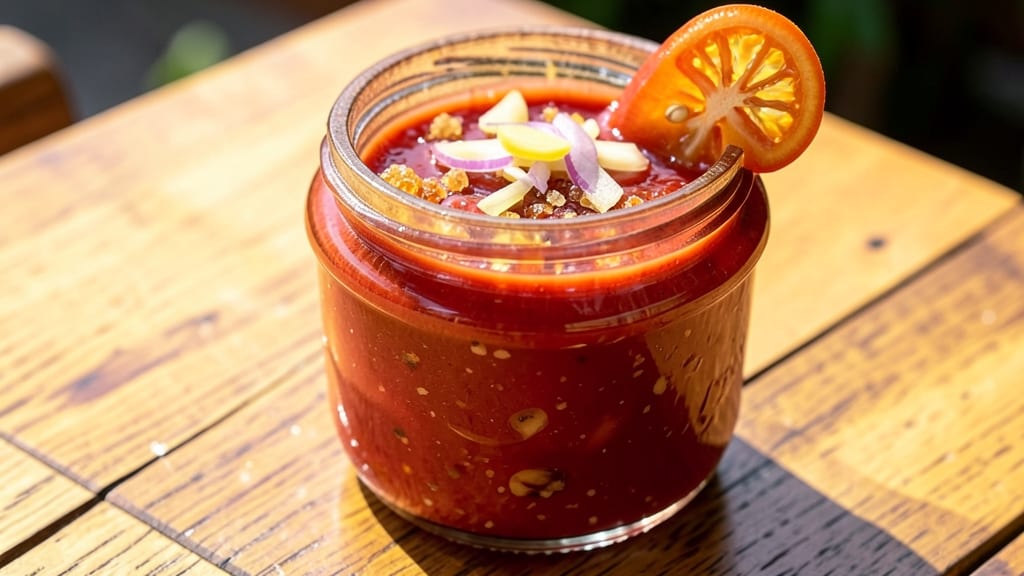
This Aruba hot sauce recipe brings the Caribbean's fiery tropical heat straight to your kitchen counter. 🔥 The secret lies in balancing habanero peppers' intense heat with sweet pineapple juice and tangy vinegar, creating a sauce that's perfect for seafood, grilled meats, or even cocktails.
I developed this recipe after tasting authentic Aruban hot sauces during a trip, where the combination of sweet and spicy became an instant obsession.
The process is straightforward but requires patience—simmering fresh peppers, garlic, and onions with vinegar until the flavors meld creates a complex base. Fresh pineapple juice adds natural sweetness that cuts through the heat while maintaining that authentic Aruban flavor profile.
What makes this sauce special is how it transforms simple dishes into something extraordinary with just a few drops.
Once cooled, this vibrant red sauce delivers a perfect balance of heat and sweetness that lingers on your taste buds. The habanero provides genuine Caribbean spice, while the pineapple keeps it from being overwhelming.
You'll end up with a versatile condiment that's perfect for enhancing grilled shrimp, marinades, or even drizzled over tacos for an instant flavor boost.
This recipe makes about 2 cups of sauce, which stores beautifully in the refrigerator for up to 3 months. The flavors actually improve with time, developing deeper complexity as the ingredients meld together.
Whether you're a hot sauce enthusiast or just looking to add some tropical heat to your meals, this Aruba-inspired creation delivers every time.
Ingredients for aruba hot sauce
Eight ingredients transform into Caribbean fire—sweet, spicy, and addictive in every drop.
| Ingredient | Amount | Notes |
|---|---|---|
| Fresh Habanero Peppers 🌶️ | 4 whole | Seeds removed for less heat |
| Fresh Pineapple Juice 🍍 | 1 cup | Freshly squeezed preferred |
| White Vinegar 💧 | 1 cup | White or apple cider |
| Yellow Onion 🧅 | 1 whole | Medium size, finely chopped |
| Garlic Cloves 🧄 | 4 cloves | Fresh, minced for depth |
| Granulated Sugar 🍚 | ¼ cup | Adjust to taste balance |
| Salt 🧂 | 1 tsp | Kosher or sea salt |
| Extra-Virgin Olive Oil 🫒 | 2 tbsp | For richness and balance |
| Fresh Lime Juice 🍋 | 1 tbsp | Brightens the sauce |
The habanero peppers are the heart of this sauce—look for vibrant red or orange ones at the grocery store, not the sad, wrinkled ones lurking in the back. Whole Foods or Latin markets usually have the freshest. If you can't find habaneros, scotch bonnets work in a pinch, but expect even more heat. The pineapple juice is non-negotiable for that authentic Aruban sweetness—fresh is best, but canned works if labeled 100% juice. For the vinegar, white or apple cider both work, but I prefer white for its sharpness. The onion and garlic? Freshly chopped makes all the difference—pre-minced gets mushy during simmering.
No habaneros? Jalapeños with a dash of cayenne can mimic some of the heat, though nothing matches the tropical fire. Short on pineapple juice? Mango nectar or even orange juice adds sweetness, but pineapple's acidity is key. Vinegar substitute? Lemon juice works in a bind, but it'll taste different. The sugar balances the heat—reduce to 1 tbsp if you love spice. Olive oil might seem odd, but it rounds out the flavors beautifully. Fresh lime juice is the secret weapon—don't skip it, even if you're not a lime lover. The salt? Taste as you go—this sauce needs just enough to make flavors pop.
This sauce gets better with time—3 months in the fridge with flavors deepening like fine wine. Store in a sterilized glass jar with a tight seal. The first batch will be your best—use within 2 weeks for peak freshness. Freezes beautifully too, though texture changes slightly. Start with small batches—2 cups is plenty—since this stuff disappears fast. Label it 'Caribbean Fire' so you remember what you're dealing with!
Why You'll Love This Recipe
- Here’s what sold me: that first bite of pineapple sharpness cutting through the habanero’s fire, then the slow build of garlic and onion warmth. It’s not just spicy—it’s layered, like a tropical sunrise in your mouth.
- No Blender Needed: I swear by this—just a knife, a cutting board, and a jar. The habaneros and onion get a good chop, then everything mashes together with the pineapple juice and vinegar. No fancy equipment, no stress, just pure, bright heat in minutes.
- Sweet Heat Balance: Here’s what sold me: that first bite of pineapple sharpness cutting through the habanero’s fire, then the slow build of garlic and onion warmth. It’s not just spicy—it’s layered, like a tropical sunrise in your mouth.
- Game for Any Meal: Slather it on grilled chicken for dinner, drizzle it over tacos for a crowd, or toss it into a marinade for next week’s meal prep. Honestly, I’ve used it on everything from eggs to roasted veggies, and it never lets me down.
Step-by-step instructions for fiery pineapple and habanero hot sauce
This tropical hot sauce packs a punch with fresh habanero heat and sweet pineapple brightness.
🔥 Step 1: Roast the Habaneros for Smoky Depth
Preheat your oven to 400°F. Cut the 4 whole fresh habanero peppers in half lengthwise and remove the seeds and membranes—this reduces the heat while keeping the flavor. Place them cut-side down on a parchment-lined baking sheet.
Roast for 15-20 minutes until the peppers develop deep char marks and smell intensely aromatic. Watch them closely—they're done when the skins blacken slightly but don't burn. This roasting step unlocks their natural sweetness and adds a subtle smokiness that balances the heat.
🍳 Step 2: Sauté Aromatics Until Fragrant
While the peppers roast, heat the 2 tablespoons extra-virgin olive oil in a medium saucepan over medium heat. Add the finely chopped yellow onion and cook for 5 minutes until soft and translucent, stirring occasionally.
Add the 4 minced garlic cloves and cook for another 30 seconds until fragrant—you'll know it's ready when the kitchen fills with that irresistible garlic aroma. Don't let it brown or it'll turn bitter. Keep the heat at medium to maintain control.
🥘 Step 3: Combine Roasted Peppers and Liquid Base
Remove the roasted habaneros from the oven and transfer them to a bowl. Let them cool slightly, then peel off the charred skins using a paper towel. Add the peeled peppers to the saucepan with the onions and garlic, along with the 1 cup fresh pineapple juice and 1 cup white vinegar.
Bring the mixture to a gentle boil over medium-high heat, then reduce the heat to low and let it simmer for 10 minutes. This simmering time allows the flavors to meld together beautifully. You'll notice the mixture becomes slightly reduced and more concentrated—this is exactly what we want for a rich, flavorful hot sauce.
⏰ Step 4: Blend and Sweeten the Sauce
Using an immersion blender, blend the mixture directly in the saucepan until completely smooth. If you prefer to use a regular blender, transfer the hot mixture to a heatproof container and blend carefully (be mindful of the hot steam). Return the blended sauce to the saucepan.
Add the ¼ cup granulated sugar and 1 teaspoon salt, stirring constantly until the sugar dissolves completely. Taste the sauce—you should feel the habanero heat balanced by the sweet pineapple and tangy vinegar. If it needs more heat, add a tiny bit of the reserved habanero seeds (but be careful—they pack a serious punch!).
🍋 Step 5: Finish with Lime and Rest for Maximum Flavor
Remove the sauce from heat and stir in the 1 tablespoon fresh lime juice. This final brightening step is crucial—it cuts through the heat and adds a refreshing citrus note that makes the sauce truly sing. Let the hot sauce cool to room temperature, then transfer it to a clean glass jar.
For best results, refrigerate the sauce for at least 24 hours before using. This resting period allows all the flavors to fully develop and meld together. The longer it sits, the better it tastes—up to 1 week in the fridge. Use it to spice up grilled meats, seafood, or even drizzle it over tacos for an island-inspired kick!
Pro Tips For Making Aruba Hot Sauce
- STRIP SEEDS FROM HABANEROS: I learned this the hard way—leaving seeds in turns your sauce into a nuclear option. Use a small knife to carefully slice open each pepper lengthwise, then scrape out the seeds and membranes with the tip of the knife. If you’re impatient (like me), wear gloves—those peppers pack a serious sting.
- SAUTÉ ONIONS UNTIL SOFT: Don’t rush this step. Dice the onion finely and cook it in a little oil over medium heat until it’s translucent and just starting to caramelize—about 8-10 minutes. Overcooking turns it bitter, and undercooking leaves it raw. Trust me, your sauce will taste flat if you skip this.
- USE FRESH PINEAPPLE JUICE: Canned juice lacks the bright acidity and depth of fresh. If you’re using fresh, strain out the pulp and seeds—you want a smooth, vibrant liquid. No fresh? A good-quality bottled pineapple juice works, but avoid anything with added sugar or preservatives.
- BALANCE HEAT WITH VINEGAR: Start with a 1:1 ratio of vinegar to habanero blend, but taste as you go. The vinegar cuts the heat and sharpens the flavor, but too much makes the sauce taste harsh. If it’s too fiery, add a splash more pineapple juice. If it’s too mild, a little extra vinegar or a pinch of salt can fix it.
Wine and beer pairings for this dish
Cocktail Pairings
This Aruba hot sauce transforms classic cocktails into tropical fireballs. Try adding 2-3 drops to a Piña Colada—the pineapple in the sauce enhances the drink's natural sweetness while the habanero adds a surprising kick. 🍹 For a spicy twist, mix ½ teaspoon into a Mojito just before serving.
The lime juice in both cocktails complements the sauce's bright acidity perfectly.
Beer Pairings
A crisp Hefeweizen like Weihenstephaner cuts through the sauce's heat with its banana and clove notes. The beer's effervescence also helps cool your palate between spicy bites.
For something bolder, try a Mexican Lager like Modelo Especial—its clean finish lets the sauce's flavors shine without competing. 🍺 Avoid heavy IPAs; their bitterness clashes with the sweet-spicy balance.
Wine Pairings
Light-bodied white wines work best. A Sauvignon Blanc from New Zealand—like Kim Crawford—pairs beautifully with its citrus and herbaceous notes.
For red wine lovers, a Pinot Noir from Oregon provides enough acidity to stand up to the heat. 🍷 Avoid oaky Chardonnays or full-bodied reds; they'll overpower the sauce's delicate tropical profile.
Non-Alcoholic Options
For a refreshing non-alcoholic pairing, try sparkling water with a splash of pineapple juice and a lime wedge.
The bubbles cleanse your palate between spicy bites, while the citrus enhances the sauce's brightness. 🥤 For a more substantial option, serve with grilled pineapple skewers—the fruit's natural sweetness mirrors the sauce's tropical notes.
Cheese and Charcuterie
This hot sauce elevates cheese boards beautifully. Pair with creamy goat cheese or aged cheddar—the tangy cheese balances the heat.
Add prosciutto or smoked salmon for a salty contrast. 🧀 For a vegetarian option, try marinated olives and pickled vegetables to highlight the sauce's bright acidity against the rich cheeses.
Nutrition facts
Frequently asked questions
Can I adjust the heat level in this Aruban hot sauce?
For milder heat, remove all habanero seeds and membranes before roasting. Want more fire? Add 1-2 extra habanero seeds (or ½ teaspoon cayenne powder) to the blended sauce. Remember—heat builds during simmering, so taste frequently!
What if I don't have fresh habaneros?
Use scotch bonnets (similar heat) or jalapeños with extra seeds—but add ½ teaspoon smoked paprika to mimic the charred flavor. For a milder version, substitute 2 serrano peppers (remove seeds) and add 1 tablespoon honey to balance. The pineapple juice remains essential for that tropical sweetness!
How long does it take for the sauce to reach peak flavor?
The sauce improves for 3-5 days in the fridge as flavors meld. For maximum depth, wait 1 week before using. The vinegar and sugar work together to create a complex balance—patience pays off! Store in a sterilized glass jar with a tight seal to preserve freshness.
Can I make this sauce without vinegar?
Not recommended—the vinegar is crucial for preservation and tangy depth. As a substitute, use lemon juice (but reduce to ½ cup) or apple cider vinegar for a milder taste. The sauce will be less shelf-stable (use within 1 week) and may lack complexity. The acidity helps balance the sweetness and heat!
What's the best way to use up extra hot sauce?
Freeze in ice cube trays for easy portion control in cooking! Perfect for marinades, cocktail mixes, or defrosting as needed. For gifts, package in small sterilized bottles with custom labels. The sauce also makes an amazing dipping sauce for fries or glaze for grilled meats. Don't let it go to waste—this stuff disappears fast!