
Sauces & Condiments
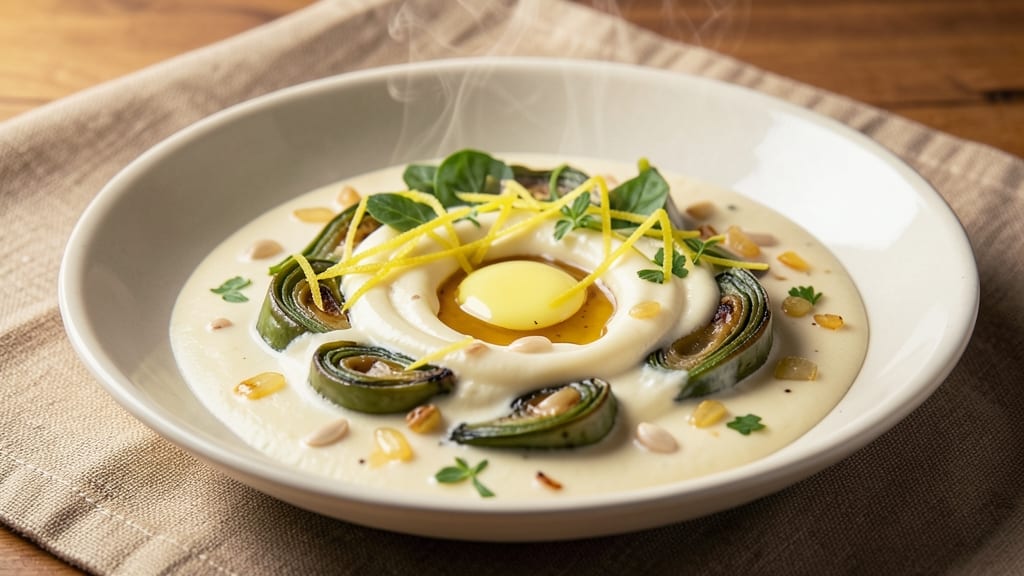
This artichoke cream sauce recipe transforms humble ingredients into a velvety, herb-infused sauce that elevates any dish. The secret lies in blending tender artichoke hearts with rich cream and aromatic garlic, creating a smooth yet flavorful base that's ready in just 20 minutes.
Perfect for pasta, grilled fish, or roasted vegetables, this sauce delivers restaurant-quality richness without the fuss.
What sets this recipe apart is its balance—creamy yet light, with bright artichoke notes that shine through. A touch of lemon zest brightens the depth, while fresh herbs add freshness.
The sauce thickens beautifully, coating ingredients perfectly without being overly heavy. It's the kind of recipe that makes weeknight dinners feel special.
Storage is simple: refrigerate for up to 5 days or freeze for 3 months, making it ideal for meal prep. Adjust the texture by thinning with broth or thickening with a splash of cream. The flavor only deepens over time, so leftovers taste even better the next day.
Pair this sauce with grilled chicken, creamy polenta, or as a dip for crusty bread. The possibilities are endless, but the technique remains foolproof. Let's get cooking!
Ingredients for artichoke cream sauce
Eleven ingredients blend to create a velvety artichoke cream sauce with vibrant herb notes and restaurant-quality depth.
| Ingredient | Amount | Notes |
|---|---|---|
| Marinated Artichoke Hearts 🍃 | 14 oz | Drained, chopped into small pieces |
| Heavy Cream 🥛 | 1 cup | Full-fat for optimal richness |
| Unsalted Butter 🧈 | 4 tbsp | Cold, cut into small cubes |
| Garlic Cloves 🧄 | 3 cloves | Minced, fresh preferred |
| Shallots 🧅 | 2 whole | Finely diced, about 2 tbsp |
| Lemon Zest 🍋 | 1 tbsp | From 1 organic lemon |
| Fresh Parsley 🌿 | ¼ cup | Chopped, stems removed |
| Fresh Thyme 🌿 | 2 sprigs | Leaves only, stems removed |
| Vegetable Broth 💧 | ½ cup | Low-sodium preferred |
| Diamond Crystal Kosher Salt 🧂 | ½ tsp | Adjust to taste |
| Ground Black Pepper 🌶️ | ¼ tsp | Freshly cracked |
The artichoke hearts are the foundation—marinated, not canned, for maximum tenderness and flavor. Trader Joe's and Whole Foods carry high-quality jarred artichokes, but if you find fresh, they're even better. Look for hearts that are plump and vibrant, not shriveled or discolored. The heavy cream should be full-fat (Hormel or Organic Valley are reliable brands) to achieve that luxurious texture. Fresh herbs are non-negotiable here; dried simply won't deliver the same brightness. For the shallots, organic is ideal—their milder flavor won't overpower the delicate artichoke notes.
No marinated artichokes? Canned hearts work in a pinch, but rinse thoroughly to remove excess sodium. Substitute heavy cream with half-and-half for a lighter version or coconut cream for a dairy-free option. Fresh thyme unavailable? Dried thyme at one-third the amount suffices, though the flavor profile shifts slightly. The lemon zest can be omitted if you prefer, but it's what brightens the sauce against the richness. For extra depth, add 1 tsp of white wine when sautéing the shallots—it cooks off quickly but adds complexity. Always taste as you go; the sauce should be velvety yet coat the back of a spoon.
This sauce thickens as it sits, so reheat gently—never boil—to preserve its silky texture. Store in an airtight container with a thin layer of plastic wrap pressed directly onto the surface to prevent a skin from forming. Keeps 5 days refrigerated or 3 months frozen, though the flavor actually improves with time. For meal prep, portion into ramekins or small jars—they reheat beautifully and make dipping pasta or bread effortless. If the sauce separates upon reheating, simply whisk vigorously or blend briefly to restore smoothness.
Why You'll Love This Recipe
- Pantry-Friendly Magic: I swear by jarred artichoke hearts here—no chopping, no mess, just drain and go. The shallots and garlic soften in minutes while I stir, and the heavy cream comes together smoother than I expected.
- Rich Without Effort: That first spoonful? Creamy, tangy, and packed with umami from the artichokes. The butter adds a velvety finish, and honestly, it’s the kind of sauce that makes you pause mid-bite just to savor it.
- Dinner Party Shortcut: Slather it over grilled chicken or toss with pasta for a restaurant-worthy dish in 30 minutes. Between us, it’s my go-to when guests drop by unannounced—I just heat and serve.
- Leftovers That Work: This sauce keeps for days in the fridge, and reheats like it was just made. I’ll be real: I often make extra just to drizzle on toast the next morning. Budget-friendly? Absolutely. Lazy-friendly? Even more so.
Step-by-step instructions for artichoke cream sauce
This velvety sauce comes together in minutes with precise technique and fresh ingredients.
Sauté Shallots and Garlic Until Translucent
Melt 2 tablespoons of the unsalted butter in a medium saucepan over medium heat. Add the finely diced shallots and cook for 4-5 minutes, stirring occasionally, until they become soft and translucent. This step builds the aromatic foundation of your sauce—don't rush it or the shallots will turn bitter.
Add the minced garlic cloves and cook for another 30 seconds until fragrant but not browned. The garlic should perfume the kitchen, signaling it's ready to mingle with the other ingredients. Remove the pan from heat momentarily to prevent burning, then return it to medium heat before proceeding.
Add Artichoke Hearts and Broth
Increase heat to medium-high and add the drained, chopped marinated artichoke hearts to the pan. Cook for 2 minutes to allow their natural flavors to intensify. Then pour in the vegetable broth and scrape up any browned bits from the bottom of the pan using a wooden spoon—these contain concentrated flavor.
Bring the mixture to a gentle simmer and let it cook for 3-4 minutes until the liquid reduces slightly. You're creating a flavorful base that will blend seamlessly with the cream. The artichokes should be heated through but still retain their shape—overcooking will make them mushy.
Incorporate Cream and Seasonings
Reduce heat to low and gradually whisk in the heavy cream while stirring constantly to prevent curdling. The sauce should begin to thicken immediately as it comes together. Add the remaining 2 tablespoons unsalted butter, lemon zest, ½ teaspoon diamond crystal kosher salt, and ¼ teaspoon freshly cracked ground black pepper. Stir well to combine.
Let the sauce simmer gently for 2-3 minutes until it reaches your desired consistency—it should coat the back of a spoon smoothly. The lemon zest brightens the richness of the cream, while the thyme leaves (added next) will provide an herbal depth. Taste and adjust seasoning if needed, remembering that the parsley will add freshness in the final step.
Finish with Herbs and Final Adjustments
Remove the pan from heat and stir in the thyme leaves and chopped fresh parsley. Let the sauce rest for 1-2 minutes to allow the flavors to meld completely. The thyme will infuse its earthy aroma, while the parsley adds a vibrant finish. If the sauce is too thick after resting, thin it with 1-2 tablespoons hot water or broth.
For optimal results, serve immediately while still warm. This sauce pairs beautifully with grilled fish, roasted chicken, or as a luxurious pasta topping. The artichokes' subtle bitterness contrasts perfectly with the creamy richness, creating a balanced flavor profile that's both comforting and sophisticated.
Pro Tips For Making Artichoke Cream Sauce
- Drain and Pat Dry: Marinated artichoke hearts cling to their brine like glue—skip the rinse, but dry them thoroughly with paper towels before cooking. Wet hearts steam instead of caramelizing, and you’ll end up with a watery sauce instead of a velvety one.
- Sweat Shallots Low and Slow: Shallots burn faster than you’d think. Cook them over medium-low heat for 5–7 minutes until translucent, stirring occasionally—no need to rush. Browned shallots add bitterness, and this sauce is all about bright, clean flavor.
- Temper the Cream: After removing the pan from heat, slowly whisk in the heavy cream while stirring constantly. Dumping cold cream into hot butter risks curdling, and nobody wants scrambled cream in their sauce. A few drops at a time keeps it smooth.
- Finish with Butter: The last step isn’t just about flavor—it’s about texture. Swirl in cold butter at the end to coat the sauce and add richness, but don’t melt it first. You want ribbon-like streaks, not a greasy mess. (Yes, even if you’re impatient like me.)
Wine and beer pairings for this recipe
White Wine Pairings
For this artichoke cream sauce, I recommend a dry Italian white wine like Vermentino or Pinot Grigio—their crisp acidity cuts through the richness beautifully. A glass of Vermentino from Sardinia brings bright citrus notes that complement the lemon zest in the sauce.
If you prefer something with a bit more body, try Chardonnay from California or Burgundy—just make sure it's unoaked to avoid overpowering the delicate artichoke flavor. 🍷
Light Beer Options
A crisp lager like Peroni or Heineken works surprisingly well with this sauce, especially when paired with grilled fish or seafood. The light, clean profile won’t compete with the artichoke’s earthy notes.
For a more adventurous match, try a Belgian witbier like Hoegaarden—its coriander and citrus notes echo the lemon zest and fresh herbs in the sauce. 🍺
Red Wine for Hearty Dishes
If you're serving this sauce over roasted chicken or beef, a light-bodied red like Pinot Noir or Chianti adds depth. The Chianti’s acidity balances the creaminess, while the Pinot Noir’s fruitiness plays nicely with the artichokes. Avoid heavy reds like Cabernet—they’ll overpower the delicate sauce. 🍇
Non-Alcoholic Pairings
For a refreshing non-alcoholic option, try sparkling water with lemon or ginger beer—both enhance the sauce’s bright, herbal notes. A cucumber-mint infused water also works beautifully, especially on warm days.
If you prefer something richer, a chilled chamomile tea with honey adds a soothing contrast to the creamy texture. 💧
Seasonal Adjustments
In summer, pair this sauce with a Sauvignon Blanc—its zesty acidity matches the lemon zest perfectly. For winter, a Chardonnay with a touch of oak (like Meursault) adds warmth to complement heartier dishes like roasted root vegetables.
Always taste first—sometimes the best pairing is whatever you’re already drinking! 🍷✨
Nutrition facts
Frequently asked questions
Can I make this sauce without heavy cream for a lighter version?
Yes! For a lighter texture, substitute the 1 cup heavy cream with ½ cup heavy cream + ½ cup whole milk or ¾ cup half-and-half. The sauce will still be rich but less indulgent. If you're avoiding dairy entirely, use 1 cup coconut cream—just note the flavor will shift slightly toward tropical notes.
How do I adjust the texture if the sauce is too thick or too thin?
For a thicker sauce, simmer uncovered for 2-3 extra minutes to reduce the liquid. If it's too thick after resting, whisk in 1-2 tablespoons hot water or vegetable broth until smooth. For a thinner sauce, add 1 tablespoon at a time while stirring constantly. The ideal consistency should coat the back of a spoon but still flow easily.
Can I use frozen artichoke hearts instead of marinated?
Frozen hearts work in a pinch, but they lack the depth of marinated ones. Thaw and drain thoroughly, then pat completely dry with a paper towel to prevent excess moisture from thinning your sauce. For best results, use 14 oz marinated hearts—their tender texture and preserved flavor make all the difference.
What's the best way to reheat leftovers without breaking the texture?
Reheat gently over low heat in a saucepan, stirring constantly, until warmed through (2-3 minutes). Never microwave directly—it causes separation. If the sauce thickens too much, whisk in 1 tablespoon warm water or broth. For extra creaminess, stir in 1 teaspoon butter while reheating. The sauce should return to its velvety consistency.
Can I make this sauce ahead of time for meal prep?
This sauce actually tastes better the next day as flavors meld. Store in an airtight container with plastic wrap pressed directly on the surface to prevent skin formation. Refrigerate for up to 5 days or freeze for 3 months. Portion into ramekins or small jars for easy reheating—perfect for dipping bread or tossing with pasta later in the week.