
Sauces & Condiments
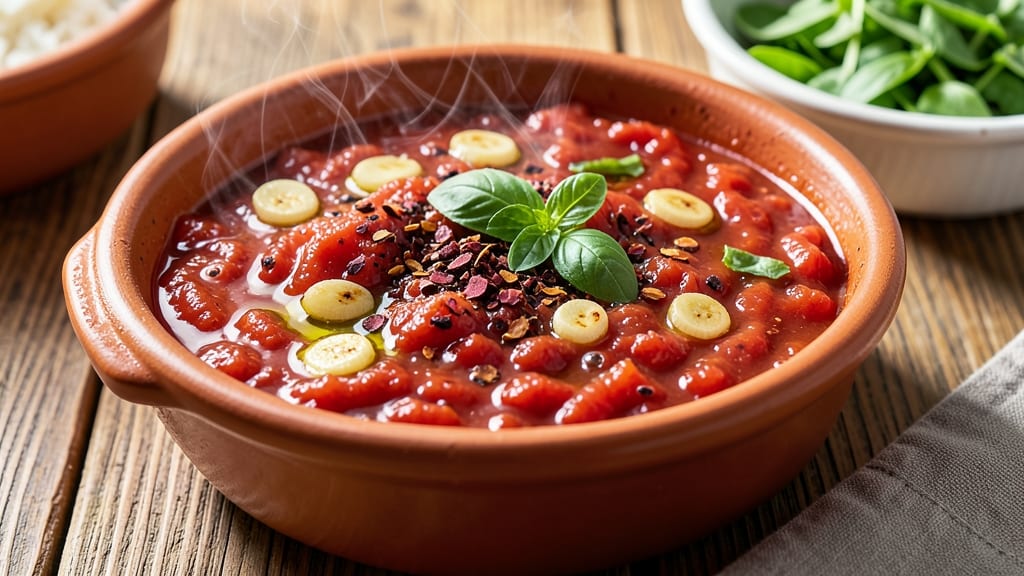
Fresh tomatoes transform into this bold arrabbiata sauce—bright, garlicky, and packed with chili heat that lingers just right. The secret lies in balancing acidity with sweetness while building layers of flavor through slow simmering, not blitzing into oblivion. I've perfected this technique over years of Italian cooking, and it delivers restaurant-quality results in just 20 minutes—no fancy equipment required.
What sets this sauce apart is the fresh tomato base, which develops depth as it cooks down rather than losing its natural sweetness. The garlic and chili flakes infuse the oil first, creating an aromatic foundation before the tomatoes join the pot.
A splash of lemon juice at the end brightens the flavors, cutting through the richness while keeping the sauce vibrant and balanced.
The result is a sauce that's neither too thick nor too thin—just right for tossing with pasta, drizzling over grilled meats, or spooning onto crusty bread. It clings beautifully to al dente strands while maintaining its signature fiery kick and fresh tomato brightness.
The best part? It tastes even better the next day as the flavors meld.
For maximum flavor, use ripe but firm tomatoes and let the sauce simmer uncovered to develop its signature intensity. Store in the fridge for up to 5 days or freeze for longer shelf life. This is the kind of sauce that turns simple meals into something extraordinary.
Ingredients for arrabbiata sauce recipe fresh tomatoes
Fresh tomatoes, garlic, and chili flakes create this vibrant arrabbiata sauce—bright, garlicky, and full of bold heat.
| Ingredient | Amount | Notes |
|---|---|---|
| Fresh Tomatoes 🍅 | 2 ½ lbs | Ripe but firm, diced |
| Extra-Virgin Olive Oil 🫒 | ½ cup | High quality, fruity |
| Garlic Cloves 🧄 | 6 cloves | Peeled, thinly sliced |
| Dried Chili Flakes 🌶️ | 2 tbsp | Adjust for heat preference |
| Fresh Basil Leaves 🌿 | ½ cup | Chopped, stems removed |
| Lemon Juice 🍋 | 2 tbsp | Freshly squeezed |
| Sea Salt 🧂 | 1 ½ tsp | Diamond Crystal preferred |
| Black Pepper 🌶️ | ½ tsp | Freshly ground |
| Red Pepper Flakes 🌶️ | 1 tsp | Optional, for extra heat |
The tomatoes are the heart of this sauce, so choose ripe but firm ones—overripe ones turn mushy and lose their natural sweetness. I always grab heirloom tomatoes at the farmers market when they're in season, but regular beefsteak or Roma tomatoes work perfectly fine. The garlic matters too—freshly sliced releases more flavor than pre-minced. For the chili flakes, Calabrian chili is ideal if you can find it, but regular dried chili flakes work in a pinch. The olive oil should be extra-virgin—none of that cheap stuff—it's the base for all those aromatic flavors.
No fresh basil? Dried basil at one-third the amount gets you close, though fresh is ideal for that bright, herbal note. Short on tomatoes? Canned San Marzano tomatoes work in a bind, but drain them well. The lemon juice is non-negotiable—it brightens the sauce and balances the richness. Want more depth? Add a pinch of sugar (1/2 tsp) to offset the acidity. The red pepper flakes are optional but recommended for that extra kick; adjust to taste. If you're sensitive to heat, start with just the chili flakes and add red pepper flakes gradually.
This sauce tastes even better the next day as the flavors meld. Store in an airtight container in the fridge for up to 5 days—it actually improves with time. For longer storage, freeze in ice cube trays and transfer to a bag; thaw as needed. The sauce thickens as it cools, so you can always thin it with a splash of water or pasta water when reheating. I like to make a big batch and freeze portions—perfect for quick weeknight dinners.
Why You'll Love This Recipe
- Five-Ingredient Magic: I swear by this—just tomatoes, garlic, olive oil, chili flakes, and basil. That’s it. No blender, no fancy prep, just a pan and 20 minutes. Honestly, the first time I made it, I thought I’d overcomplicated things, but the sauce came together smoother than I expected.
- Heat That Stays: The chili flakes pack a punch, but the fresh tomatoes soften it into something good—not just burning your mouth. That bright acidity cuts through the richness of the olive oil, and the garlic? Oh, it sings. I’ll be real: my husband still asks for seconds, even after I’ve warned him.
- Pasta Party Any Night: This sauce is my go-to for weeknights, but it’s also the star of my Sunday potluck. Drizzle it over spaghetti for a classic, or toss it with roasted veggies for a hearty bowl. Between us, I’ve even used it as a marinade—works like a charm. It’s the kind of sauce that makes you feel like you’ve put in effort, even when you haven’t.
- Leftovers That Don’t Let You Down: Make a double batch, and you’ve got lunch sorted. Freezes beautifully, too—just reheat with a splash of water, and it’s like you made it yesterday. Not the prettiest in the fridge, but the taste makes up for it every time. My secret weapon for lazy days.
Step-by-step instructions for arrabbiata sauce with fresh tomatoes
This method delivers bold, bright arrabbiata with perfect balance—spicy, garlicky, and bright from fresh tomatoes.
Sauté Garlic in Olive Oil Until Fragrant
Heat the 0.5 cup extra-virgin olive oil in a large, heavy-bottomed saucepan over medium-low heat. Add the 6 cloves peeled, thinly sliced garlic cloves and cook for 2-3 minutes until they turn golden and just begin to sizzle. Watch closely—they burn quickly, which ruins the delicate flavor.
This slow cook ensures the garlic develops a sweet, nutty aroma without turning bitter. If you notice the garlic turning darker than golden, reduce the heat immediately. The oil should shimmer but not smoke—this is your visual cue for perfect timing.
Add Tomatoes and Chili Flakes
Increase heat to medium-high and add the 2.5 lbs diced fresh tomatoes. Stir well to coat the tomatoes in the garlic-infused oil. Sprinkle in the 2 tbsp dried chili flakes and 1 tsp red pepper flakes (if using), then add 1.5 tsp sea salt and 0.5 tsp black pepper. Stir again to distribute the spices evenly.
Let the mixture simmer vigorously for 5 minutes until the tomatoes begin to break down and release their juices. You'll see the sauce thicken slightly and the raw tomato flavor mellow. This step builds the sauce's foundational heat and depth—don't rush it.
Simmer Until Thick and Flavor-Intense
Reduce heat to medium-low and continue simmering for 10-12 minutes, stirring occasionally. The sauce should reduce to a thick, jammy consistency with a glossy sheen. Skim off any foam that rises to the surface—this ensures a smooth, velvety texture.
Taste and adjust seasoning: Add more sea salt if needed, or a pinch more dried chili flakes for extra heat. The sauce should be bold but balanced—bright from the tomatoes, with a lingering garlic-chili warmth. If it's too acidic, a splash of lemon juice (start with 1 tbsp) brightens the flavor without overpowering.
Finish with Fresh Basil and Lemon Juice
Remove the saucepan from heat and stir in the 0.5 cup chopped fresh basil leaves. Add the remaining 1 tbsp lemon juice and let the sauce sit for 5 minutes to meld. The basil adds freshness that cuts through the heat, while the lemon juice balances the acidity of the tomatoes.
Give it one final taste—this is your quality check. The sauce should be vibrant, with a smooth texture and bright, garlicky heat. If it's too thick, whisk in 1-2 tablespoons of water to loosen it slightly. Serve immediately over pasta or reserve for later use.
Pro Tips For Making Arrabbiata Sauce Recipe Fresh Tomatoes
- Char Tomatoes First: Toss halved tomatoes in a hot, oiled pan for 2-3 minutes until blistered—this concentrates their sweetness and deepens the sauce’s flavor. I used to skip this, and the sauce always tasted flat until I realized the difference.
- Use Raw Garlic: Minced garlic burns fast, so add whole cloves to the oil first, let them sizzle until golden (about 30 seconds), then crush them in. This prevents that bitter, burnt taste that ruins the whole dish.
- Salt the Tomatoes: Sprinkle a pinch of salt over the chopped tomatoes before cooking—it draws out moisture, making the sauce richer and less watery. I learned this the hard way after making a sauce that tasted like tomato juice.
- Finish with Cold Oil: Stir in a tablespoon of extra-virgin olive oil at the very end—it cools the sauce slightly and adds a silky finish. The heat from the oil also helps the chili flakes bloom without overpowering the tomatoes.
Regional styles of this arrabbiata sauce recipe fresh tomatoes
Roman Arrabbiata
In Rome, arrabbiata sauce is all about bold, unfiltered heat with a touch of sweetness. The Romans use San Marzano tomatoes (if fresh aren't available) and add 1 tsp sugar to balance the acidity.
I've found that Calabrian chili paste (instead of flakes) gives a deeper, smokier flavor—just 1 tbsp makes a world of difference. The sauce is traditionally served with tonnarelli pasta, which holds up to the chunky texture beautifully. 🌶️
For an authentic Roman touch, finish with a pinch of crushed fennel seeds—this adds a subtle anise note that complements the garlic. The sauce should be thicker than most versions, almost like a jam, so reduce it longer over medium-low heat.
Serve with Pecorino Romano shavings on top for that classic Roman finish.
Southern Italian Spice
Down in Calabria and Sicily, arrabbiata gets a fierier kick with hotter chili peppers like 'Nduja or 'Ntata. I like to add 1 tbsp of finely chopped 'Nduja (if you can find it) for a creamy, spicy depth.
The Southern approach also calls for more garlic—8 cloves instead of 6—and a longer simmer time of 15-20 minutes to let the flavors meld deeply.
For a true Southern twist, stir in 1 tbsp of tomato paste at the beginning to thicken the sauce and add umami. The heat level should be noticeably higher, so adjust chili flakes gradually. This version pairs perfectly with rigatoni or orecchiette pasta, which catches the sauce beautifully.
Northern Italian Twist
Up north in regions like Emilia-Romagna, arrabbiata takes on a softer, creamier profile. The secret? Stirring in 2 tbsp of heavy cream or mascarpone cheese at the end for a velvety texture.
I also add a splash of white wine (about 2 tbsp) when cooking the tomatoes to deglaze the pan and add brightness.
Northern cooks often use less chili heat—just 1 tbsp of chili flakes—and focus more on the garlic and tomato sweetness. This version works wonderfully with tagliatelle pasta or as a topping for polenta.
The creaminess balances the acidity beautifully, making it a great sauce for cooler months.
Modern Fusion Adaptations
For a smoky-sweet fusion, I love adding 1 tbsp of smoked paprika along with the chili flakes. This gives the sauce a BBQ-inspired depth that pairs surprisingly well with arrabbiata's brightness.
Another fun twist is adding 1 diced jalapeño with the tomatoes for a fresh, fruity heat that complements the garlic.
For a vegetarian-friendly version, stir in 1 cup of sautéed mushrooms or roasted red peppers at the end. These additions add texture and sweetness without overpowering the sauce's signature flavors. This modern take works great as a dipping sauce for crusty bread or a topping for grilled vegetables.
Nutrition facts
Frequently asked questions
Can I substitute canned tomatoes for fresh ones?
Yes, but choose high-quality canned tomatoes like San Marzano and drain them well to avoid excess liquid. For best results, use 2 (28 oz) cans instead of 2.5 lbs fresh tomatoes. Canned tomatoes have more concentrated flavor, so you may need to reduce the simmering time slightly (8-10 minutes instead of 10-12).
How do I adjust the heat level in this sauce?
Start with the 2 tbsp chili flakes and 1 tsp red pepper flakes as written. For milder heat, reduce chili flakes to 1 tbsp and omit red pepper flakes. For extra spice, add 1/2 tsp cayenne pepper or 1 tbsp chopped fresh chili with the tomatoes. Always taste as you go!
Why does my sauce turn out too acidic?
Fresh tomatoes can be acidic, especially if underripe. Balance it by adding 1/2 tsp sugar or 1 extra tbsp lemon juice at the end. For prevention, use ripe but firm tomatoes and simmer uncovered to evaporate excess acidity. A splash of white wine (2 tbsp) during cooking also helps mellow the acidity.
Can I make this sauce ahead of time?
This sauce tastes even better the next day as flavors meld. Store in an airtight container in the fridge for up to 5 days. For longer storage, freeze in ice cube trays or 1-cup portions. Thaw overnight in the fridge—never microwave directly. The sauce thickens when chilled, so thin with pasta water when reheating.
What's the best pasta to serve with arrabbiata?
Use tonnarelli (Roman-style) or rigatoni for chunky texture, or spaghetti for classic presentation. Avoid delicate pastas like angel hair—the sauce's acidity can overpower them. For extra flavor, toss the cooked pasta directly in the saucepan with the arrabbiata and simmer for 1-2 minutes to coat perfectly.