
Sauces & Condiments
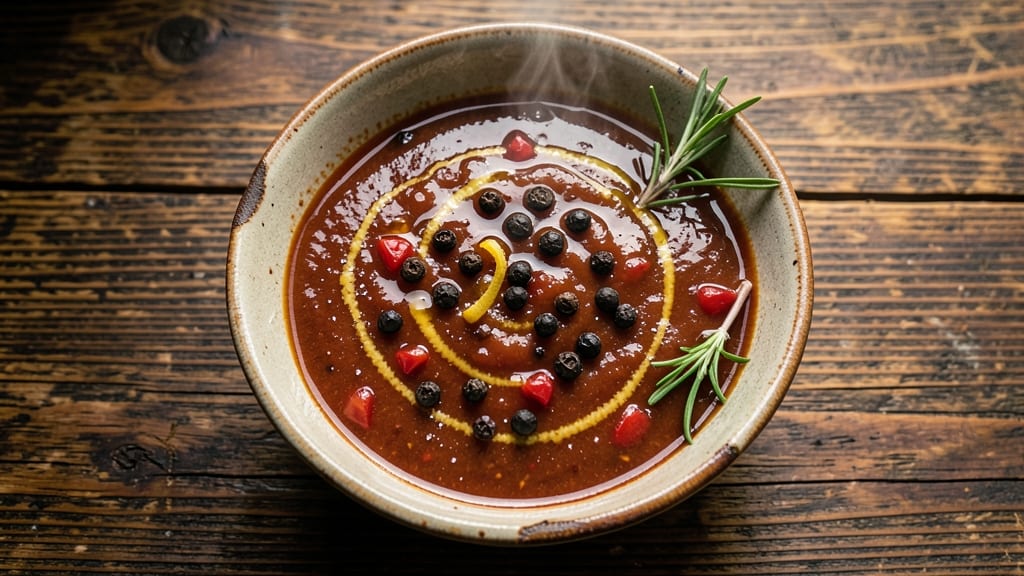
This army stew sauce recipe transforms simple ingredients into a deep, umami-rich sauce that elevates any hearty dish. The slow-simmered blend of Worcestershire, vinegar, and tomato paste creates a bold, savory foundation perfect for drizzling over stews, mashed potatoes, or even grilled meats.
What sets this sauce apart is its balance of tangy, smoky, and slightly sweet flavors, developed through careful simmering—no shortcuts here. The secret lies in the 30-minute simmer, where the spices meld with the acidic base to create layers of complexity.
You’ll need just five core ingredients—Worcestershire sauce, apple cider vinegar, tomato paste, Dijon mustard, and black pepper—but the result is restaurant-quality depth. The sauce thickens naturally as it reduces, coating every bite with rich, velvety goodness. Once you taste this sauce, you’ll understand why it’s a pantry staple.
It’s versatile enough for weeknight dinners or holiday feasts, yet simple enough to make in under an hour. The tangy-sweet profile cuts through rich dishes, adding brightness without overpowering. Store it in the fridge for up to a week, or freeze for longer shelf life.
Whether you’re finishing off a slow-cooked pot roast or adding depth to a simple grilled chicken, this sauce is your secret weapon. Let’s get started—your taste buds will thank you.
Ingredients for army stew sauce
Five core ingredients transform into a restaurant-quality sauce that elevates any hearty dish.
| Ingredient | Amount | Notes |
|---|---|---|
| Worcestershire Sauce 🥫 | ½ cup | High-quality, full-bodied preferred |
| Apple Cider Vinegar 🍎 | ½ cup | Raw, unfiltered for depth |
| Tomato Paste 🍅 | ¼ cup | Squeeze tube or canned |
| Dijon Mustard 🌶️ | 1 tbsp | Mellow, not hot variety |
| Black Peppercorns 🌶️ | 1 tsp | Freshly cracked for intensity |
| Granulated Sugar 🍚 | 1 tbsp | Balances acidity |
| Garlic Cloves 🧄 | 2 cloves | Minced for aromatic base |
| Onion Powder 🧅 | ½ tsp | Adds subtle depth |
| Bay Leaf 🌿 | 1 whole | Removed before serving |
| Salt 🧂 | ½ tsp | Diamond Crystal preferred |
Worcestershire sauce is the soul of this recipe—Lea & Perrins is the classic choice, but any full-bodied brand works. For the vinegar, raw, unfiltered apple cider vinegar adds complexity, while the cheap stuff tastes flat. Tomato paste? Squeeze tubes from Trader Joe's are perfect—no waste, and they keep for months. The garlic and onion powder might seem minor, but they build the aromatic base that makes this sauce sing. Freshly cracked peppercorns (not pre-ground) add a peppery punch that pre-ground powder can't match.
No Worcestershire? Soy sauce plus a dash of liquid smoke gets you close. Skip the sugar? Honey or maple syrup works, but sugar's fine grain dissolves perfectly. The bay leaf is non-negotiable—it infuses subtle earthiness that dried thyme can't replicate. Short on Dijon? Yellow mustard at half the amount works in a pinch. The sauce thickens as it reduces, so don't rush the simmer. If it's too thin, simmer uncovered for another 10 minutes. Too thick? A splash of water or vinegar brings it back.
This sauce keeps 1 week in the fridge in an airtight jar, or 3 months frozen. I portion mine into ice cube trays for easy use—just pop out what you need. The flavor actually improves after the first day as everything melds. Freeze extras in small batches so you always have sauce on hand. Pro tip: Add a splash of vinegar when reheating to revive the tang.
Why You'll Love This Recipe
- Pantry Magic: I swear, this sauce comes together with stuff you already have—no fancy shopping required. That tangy Worcestershire and sharp vinegar cut through everything, while the tomato paste gives it that rich, velvety base without needing a recipe book.
- Umami Bomb: Between us, the combo of Worcestershire and Dijon mustard is chef’s kiss—deep, savory, with just enough bite. The peppercorns add this subtle heat that lingers, making every bite feel like a little reward.
- Stew-to-Sauce Swiss Army: Slap this on roasted veggies, toss it with mashed potatoes, or drizzle it over grilled meats—it’s the ultimate flavor multiplier. Honestly, I’ve even used it as a marinade for chicken thighs, and it doesn’t let me down.
- No-Waste Winner: A little goes a long way, so you’ll have leftovers that taste just as good the second time. I double the batch, freeze half, and pull it out for lazy nights when I’m too tired to cook. Budget-friendly? Absolutely. Time-saving? Even more so.
Step-by-step instructions for army stew sauce
This rich, umami-packed sauce builds depth through slow simmering and careful layering of flavors.
Bloom the Aromatics in Olive Oil
Heat 2 tablespoons olive oil in a medium saucepan over medium-low heat. Add the 2 cloves minced garlic cloves and 0.5 teaspoon onion powder, stirring constantly for 1-2 minutes until fragrant but not browned. The garlic should release its sweet aroma without burning—this is your foundation flavor. If you smell something bitter, reduce the heat immediately.
Here's the thing—this step is where the sauce's complexity begins. The onion powder adds subtle depth that complements the garlic's sharpness, while the olive oil carries the heat evenly. Don't rush this; proper blooming ensures the flavors meld perfectly throughout the cooking process.
Add Tomato Paste and Cook Until Darkened
Increase heat to medium and stir in the 0.25 cup tomato paste. Cook for 3-4 minutes, stirring frequently, until the paste darkens and thickens slightly. This caramelization step develops the sauce's rich, slightly sweet undertones that balance the acidity later. You'll see the paste transform from bright red to a deeper, more complex brown color.
This is the moment that matters: the tomato paste needs to cook until it releases its natural sugars and deepens in color. If you notice it sticking too much, add 1 tablespoon water to help it release from the pan. The goal is to create a smooth, velvety base that won't separate when you add liquids later.
Incorporate Wet Ingredients and Simmer
Pour in the 0.5 cup apple cider vinegar and 0.5 cup Worcestershire Sauce, stirring to combine. Add the 1 whole bay leaf and bring the mixture to a gentle simmer over medium heat. Once simmering, reduce heat to low and let it cook uncovered for 15 minutes, stirring occasionally to prevent sticking.
This simmering phase allows the acids to mellow while the flavors meld. You'll notice the sauce reducing slightly and developing a glossy sheen. The bay leaf will infuse subtle herbal notes—don't remove it yet, as it needs time to work its magic. If you see any scum forming on the surface, skim it off with a spoon to keep the sauce clean.
Finish with Mustard, Sugar and Seasonings
Stir in the 1 tablespoon Dijon mustard, 1 tablespoon granulated sugar, 1 teaspoon cracked black peppercorns, and 0.5 teaspoon salt. Simmer uncovered for another 10 minutes, stirring occasionally, until the sauce thickens slightly and coats the back of a spoon. The sugar will help balance the acidity while the mustard adds a subtle tang that rounds out the flavors.
Real talk: this is where the sauce comes together. The mustard should be fully incorporated, and the sugar should dissolve completely. Taste as you go—you may need to adjust the salt slightly, as the Worcestershire sauce can be quite salty. The sauce should have a complex balance of sweet, tangy, umami, and slightly spicy notes. If it's too thin, simmer uncovered for another 5 minutes to reduce further.
Strain and Use Immediately
Remove the sauce from heat and strain through a fine-mesh sieve into a clean bowl, pressing gently on the solids to extract maximum flavor. Discard the bay leaf. The strained sauce should be smooth with a rich, glossy appearance. For best results, use the sauce immediately to coat meats, vegetables, or grains, or store it in an airtight container in the refrigerator for up to 1 week.
This sauce is incredibly versatile—use it to baste meats during roasting, toss with potatoes for a hearty side, or drizzle over stews and casseroles. The depth of flavor comes from the slow development of all those components working together. Don't be afraid to experiment with it; the balance of acid, sweetness, and umami makes it perfect for enhancing any dish that needs a little extra richness.
Pro Tips For Making Army Stew Sauce
- CRUSH THE PEPPERCORNS: I used to toss whole peppercorns into the sauce and wonder why it tasted uneven. Crack them first with the side of a heavy knife or roll them with a wine bottle—just enough to bruise, not pulverize. You want aroma, not grit.
- TOAST THE TOMATO PASTE: Skip the raw paste—heat it dry in a cold pan for 2-3 minutes until it smells like caramelized tomatoes. This deepens the flavor and cuts the metallic edge. (Yes, even if you’re in a hurry, this takes 60 seconds.)
- DILUTE THE VINEGAR FIRST: Mix apple cider vinegar with a splash of water before adding it to the sauce. This prevents a harsh, sudden sourness that can overpower the Worcestershire. Think of it as softening the vinegar’s edge—like letting a spicy dish breathe.
- SIMMER LOW AND LONG: Don’t rush the reduction. Let the sauce bubble gently for at least 15 minutes after everything’s combined. The flavors meld better when they’re not fighting for attention—like a good conversation, not a shouting match.
Make-ahead tips for this recipe
Prep Ahead Strategy
Make this sauce 2-3 days in advance—the flavors deepen as they meld. Store it in a glass jar with an airtight lid in the fridge. I like to portion it into small jars so I can grab just what I need without thawing a large batch.
The acidity mellows slightly over time, making it even more balanced for drizzling over hearty dishes. 🌟
Freezing for Later
For long-term storage, freeze the sauce in ice cube trays—each cube equals about 1 tablespoon. Once frozen, transfer the cubes to a ziplock bag and flatten them for compact storage.
Thaw in the fridge overnight or microwave for 30 seconds when ready to use. The texture remains smooth, and the flavor stays vibrant. This method is perfect for meal preppers! ❄️
Sauce Boosters
Want to customize? Add 1 teaspoon smoked paprika or ½ teaspoon liquid smoke to the simmering sauce for a smoky depth. For heat, stir in ½ teaspoon cayenne pepper at the end.
These tweaks work best when added after the initial simmer, so they don’t overpower the base flavors. Adjust to taste—this sauce is your canvas! 🌶️
Reheating Perfection
When reheating, warm the sauce gently over low heat or in the microwave at 50% power for 30-second intervals. Stir in 1 teaspoon apple cider vinegar to revive the tang if it’s lost some brightness during storage.
Avoid boiling, as it can make the sauce too thin. A quick taste test ensures it’s back to its rich, velvety best. 🔥
Versatile Uses
This sauce isn’t just for stews—drizzle it over mashed potatoes, use it as a marinade for grilled chicken, or stir it into mac and cheese for a restaurant-worthy twist.
Even a simple green salad gets elevated with a light dressing of this sauce thinned with a splash of water. The possibilities are endless, and the prep work is minimal. 💡
Batch Cooking Tips
Double the recipe and store it in two jars—one in the fridge and one frozen. Label with the date so you can track freshness. I keep a jar in my pantry at all times for quick weeknight dinners.
The sauce keeps its quality for up to 3 months frozen, making it a true pantry hero. No more last-minute sauce scrambles! 📅
Nutrition facts
Frequently asked questions
Can I make this sauce without Worcestershire sauce?
Yes, you can substitute with 2 tablespoons soy sauce plus ½ teaspoon liquid smoke for depth. The sauce will still develop rich umami flavors, though the exact tangy profile will differ slightly. For a closer match, combine 1 tablespoon soy sauce with 1 tablespoon balsamic vinegar instead.
Why does my sauce turn out too thin or too thick?
Sauce thickness depends on simmering time. For a thicker consistency, simmer uncovered for 5-10 extra minutes or reduce heat to low and cook longer. If too thin, stir in 1 teaspoon cornstarch mixed with 1 tablespoon water and simmer for 2 minutes to thicken. Avoid boiling, as it can break down the sauce's texture.
How can I use this sauce beyond stews?
This versatile sauce works beautifully as a marinade for grilled meats, a glaze for roasted vegetables, or a drizzle over mashed potatoes. Thin it with water or broth for a quick pan sauce, or mix into mac and cheese for extra depth. Even a simple green salad gets elevated with a light dressing of this sauce.
Can I make this sauce spicier?
Add ½ teaspoon cayenne pepper or 1 teaspoon hot sauce at the end of cooking. For smoky heat, stir in ½ teaspoon smoked paprika during the simmer. Always taste as you go—you can adjust the heat level to your preference. The sauce's balance makes it easy to customize!
Will this sauce keep its quality when frozen?
Yes, but freeze it in small portions (like ice cube trays) for best results. The texture remains smooth, and the flavor stays vibrant for up to 3 months. Thaw overnight in the fridge or microwave at 50% power for 30 seconds. Stir in 1 teaspoon apple cider vinegar when reheating to revive the tang.