
Sauces & Condiments
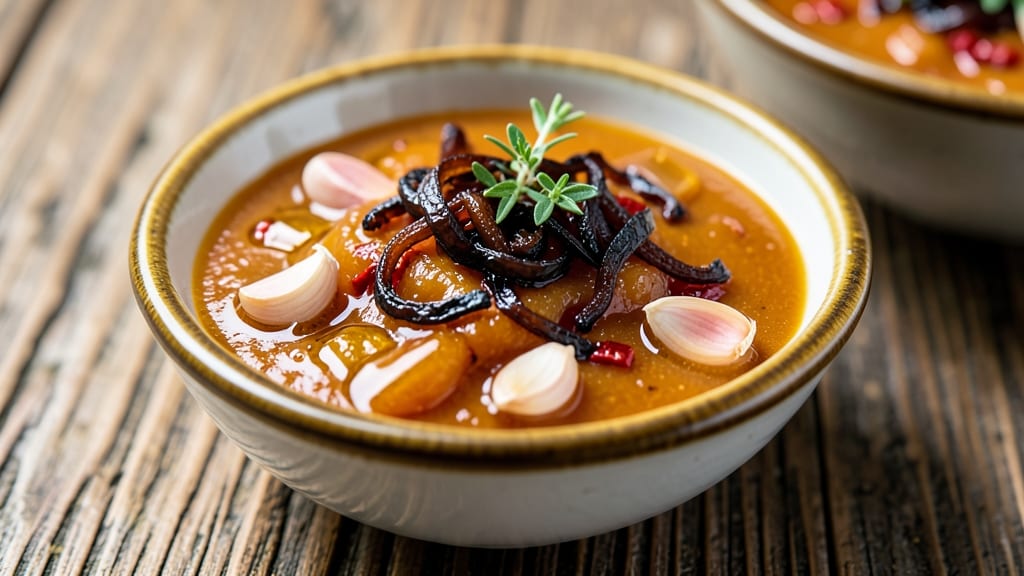
This apricot hot sauce transforms sweet and spicy into a perfect balance that elevates everything from tacos to cocktails. The secret lies in simmering apricot purée with vinegar, chili peppers, and aromatic spices until the flavors meld into a glossy, tangy-sweet sauce with just the right kick.
I developed this recipe after craving a heat that didn’t overpower but instead played harmoniously with rich, savory dishes.
The process is straightforward: blend apricot purée with vinegar, garlic, onion, and spices, then simmer until thickened. Straining ensures a smooth texture, while the addition of honey or sugar balances the acidity and heat.
What you’ll end up with is a versatile sauce that’s fruity, fiery, and complex—ideal for drizzling, marinating, or even mixing into cocktails for a sweet-spicy twist.
This sauce works as a bold condiment for grilled meats, a tangy marinade for tofu or chicken, or a surprising cocktail mixer. The apricot’s natural sweetness tames the heat, making it approachable yet intriguing.
Store it in the fridge for up to a month, or preserve it in sterilized jars for long-term use.
Whether you’re a home cook looking to add depth to your meals or a sauce enthusiast eager to experiment with fruit-based heat, this recipe delivers. Let’s make it—your taste buds will thank you.
Ingredients for apricot hot sauce
Nine ingredients blend sweet, spicy, and tangy into a versatile sauce that transforms any dish.
| Ingredient | Amount | Notes |
|---|---|---|
| Apricot Purée 🍑 | 1 ½ cups | Unsweetened, smooth texture preferred |
| Apple Cider Vinegar 🍏 | ½ cup | For tangy brightness |
| Red Chili Peppers 🌶️ | 4 whole | Fresh or jarred, seeds removed |
| Yellow Onion 🧅 | 1 whole | Medium size, roughly chopped |
| Garlic Cloves 🧄 | 4 cloves | Fresh, peeled, minced |
| Honey 🍯 | 2 tbsp | Raw or wildflower preferred |
| Ground Cumin 🌿 | 1 tsp | Toasted for deeper flavor |
| Ground Coriander 🌿 | ½ tsp | Freshly ground preferred |
| Salt 🧂 | 1 tsp | Diamond Crystal kosher salt |
| Extra-Virgin Olive Oil 🫒 | 2 tbsp | For smoothness and richness |
The apricot purée is the heart of this sauce—unsweetened is key to avoid cloying sweetness. Trader Joe's and Whole Foods carry great options, but any smooth, seedless purée works. For the chili peppers, fresh serranos or jalapeños give the best heat control, but jarred peppers (like Cholula) work in a pinch. Toast the cumin seeds whole in a dry pan for 30 seconds before grinding—trust me on this—it adds a nutty depth that makes all the difference. The onion and garlic should be roughly chopped, not minced, to avoid bitterness during simmering.
No apricot purée? Mango purée or peach purée works in a bind, though apricot’s unique tartness is ideal. Swap apple cider vinegar for white vinegar or rice vinegar if needed, but apple adds subtle fruitiness. Running short on fresh chili peppers? Red pepper flakes at half the amount brings the heat. The honey balances the acidity—agave or maple syrup are vegan alternatives. For extra smokiness, add a pinch of smoked paprika, but keep it subtle to preserve the fruity profile. Straining through a fine-mesh sieve ensures a silky texture, but if you’re impatient, blend and let it settle before using.
This sauce keeps beautifully in the fridge for up to 4 weeks in an airtight jar, but the flavor actually deepens over time. For long-term storage, sterilize jars and process in a water bath for 15 minutes—it’ll last 6-12 months on the shelf. I always make a double batch: one jar for the fridge, one for gifting. The sauce thickens as it cools, so thin with a splash of water if needed. Drizzle over grilled meats, mix into cocktails, or use as a marinade—the possibilities are endless
Why You'll Love This Recipe
- No Blender Required: I swear by this—just chop the onions, crush the garlic, and toss everything into a pot. The apricot purée blends right in with the vinegar and peppers while you stir, no fancy equipment needed. Honestly, I’ve made this on a college stove with one burner.
- Sweet Heat Balance: That first bite of caramelized onion and garlic with the apricot’s tang? It’s like a hug for your taste buds. The chili peppers bring the kick, but the fruit keeps it from being overpowering—perfect for people who love heat but not the burn.
- Game for Any Meal: Slather it on grilled chicken, drizzle it over roasted veggies, or mix it into a marinade. I’ve even used it as a glaze for pork chops—suddenly, everything feels special without the fuss. (Yes, even on a Tuesday night.)
- Lasts for Weeks: A single batch stretches across three meals, and the flavor only gets better as it sits. Store it in the fridge, and it’s ready to transform leftovers into something exciting. Between us, this is my secret weapon for turning plain rice into a flavor bomb.
Step-by-step instructions for apricot hot sauce
Here's how to craft a vibrant, balanced hot sauce where fruity sweetness meets smoky heat—every step matters.
Prepare the Chili Base
In a heavy-bottomed saucepan, combine the 4 whole red chili peppers (seeds removed if using fresh) with the 1 whole yellow onion, 4 cloves garlic cloves, and 2 tablespoons extra-virgin olive oil. Cook over medium-low heat for 10-12 minutes, stirring occasionally, until the onions soften and the peppers darken slightly. This slow cook ensures the flavors meld without burning.
Here's the thing—low heat prevents bitterness. You'll know it's ready when the onions are translucent and the garlic releases its aroma. If the mixture starts to stick, add 1-2 tablespoons water to keep it loose. Once softened, remove from heat and let cool for 5 minutes before blending.
Blend Until Silky Smooth
Transfer the cooked chili mixture to a high-speed blender. Add the 1.5 cups apricot purée, 0.5 cup apple cider vinegar, 2 tablespoons honey, 1 teaspoon ground cumin, 0.5 teaspoon ground coriander, and 1 teaspoon salt. Blend until completely smooth, scraping down the sides as needed. This step is crucial—any lumps will make the sauce uneven in texture.
I like to blend in batches if needed, ensuring no chunks remain. The sauce should look like a rich, ruby-red elixir with no visible texture. Taste at this stage—you'll notice a balance of sweet, tangy, and smoky notes. If it needs more heat, add a pinch of cayenne; if it needs more sweetness, a drizzle of honey.
Simmer and Reduce for Depth
Return the blended sauce to the saucepan and bring to a gentle simmer over medium-low heat. Let it cook uncovered for 15-20 minutes, stirring occasionally, until it thickens slightly. You're looking for a consistency where it coats the back of a spoon but isn't gluey. This reduction concentrates the flavors and removes any raw taste.
Don't walk away—simmering too long can make it bitter. Instead, taste every 5 minutes. The sauce should smell like a mix of apricot jam and smoky chili. If it thickens too much, whisk in 1-2 tablespoons water to loosen it. Once thickened to your liking, remove from heat.
Strain and Bottle for Freshness
Line a fine-mesh strainer with cheesecloth or a coffee filter and strain the sauce into a clean bowl. This step removes any fibrous bits, giving you a velvety texture. Press the solids gently to extract every drop of flavor. Transfer the strained sauce to a sterilized glass jar or bottle, leaving about ½ inch headspace at the top.
Let the sauce cool completely before sealing. This prevents condensation, which can dilute the flavors over time. Store in the refrigerator for up to 2 weeks or process in a water bath for shelf-stable jars. The longer it sits, the more the flavors meld—trust the process.
Pro Tips For Making Apricot Hot Sauce
- CHAR THE ONIONS LOW: I used to blast these with high heat, and they’d just burn before softening—bitter, charred mess. Simmer them in the same pot as your chilis and garlic over medium-low for 8-10 minutes until they’re translucent but not golden. That slow cook turns them into sweet, jammy flavor bombs instead of sad, watery filler.
- PEEL CHILIS AFTER TOASTING: Skip peeling raw chilis—it’s a nightmare. Toast them whole in a dry pan until blistered, then plunge into ice water for 30 seconds. The skins will slide off effortlessly, and you’ll avoid the gritty texture that ruins the sauce’s smoothness.
- VINEGAR FIRST, NOT LAST: Add apple cider vinegar before the apricot purée—this stops the fruit from curdling when you heat it up. I learned this the hard way when my first batch turned into a lumpy, sad glop. A splash of vinegar early keeps the sauce silky.
- STRAIN IF YOU HATE SEEDS: No one wants a mouthful of chili seeds while eating wings or dipping fries. After blending, press the mixture through a fine-mesh sieve or cheesecloth. It takes 2 minutes but guarantees a cleaner, more professional-tasting sauce—worth it if you’re serving guests.
Regional styles of apricot hot sauce
Southern Smoky Twist
In the American South, this sauce gets a smoky depth by adding ½ teaspoon smoked paprika and a splash of bourbon (about 1 tablespoon) during the simmer. The bourbon caramelizes beautifully, adding a subtle char that pairs perfectly with BBQ ribs or pulled pork.
I first tried this variation at a roadside stand in Georgia, and it became an instant favorite for their famous smoked chicken sandwiches. 🔥
Mexican Mango-Apricot Fusion
For a Mexican-inspired twist, swap half the apricot purée for mango purée and add 1 teaspoon ground chipotle powder or 1 canned chipotle pepper in adobo (minced). This version works brilliantly as a salsa for tacos or a marinade for grilled shrimp.
The chipotle adds a smoky heat that complements the tropical fruit notes beautifully. I developed this after craving a sweeter, fruitier hot sauce for my summer margaritas.
Middle Eastern Apricot Chili
Inspired by Persian cuisine, this variation replaces the vinegar with lemon juice and adds 1 teaspoon ground cardamom and ½ teaspoon cinnamon. The cardamom brings floral notes that balance the heat, while the lemon adds brightness.
This version is perfect drizzled over grilled lamb or mixed into hummus for a sweet-spicy dip. I discovered this adaptation while experimenting with Middle Eastern flavors in my home kitchen.
Asian-Inspired Five-Spice Heat
For an Asian-inspired take, reduce the honey to 1 tablespoon and add ½ teaspoon five-spice powder and 1 teaspoon grated fresh ginger. This version works wonderfully as a dipping sauce for spring rolls or a glaze for grilled chicken skewers.
The five-spice adds a warm, aromatic complexity that elevates the fruity heat. I created this after enjoying a similar sauce at a Thai street food stall in Bangkok.
Italian Sun-Dried Tomato Blend
In Italy, this sauce often incorporates ¼ cup sun-dried tomato purée and a pinch of dried oregano for a Mediterranean twist. The tomatoes deepen the umami profile, making it ideal for drizzling over bruschetta or pairing with prosciutto.
I first encountered this version in a Tuscan market, where it was used as a condiment for grilled vegetables. The sun-dried tomatoes add a rich, savory contrast to the sweet apricot.
Spicy-Sweet Glaze
For a thicker, glaze-like consistency, reduce the vinegar to ¼ cup and add 1 tablespoon cornstarch mixed with 2 tablespoons water during the simmer. This version is perfect for brushing on grilled meats or as a dipping sauce for fries.
The cornstarch creates a glossy finish that clings beautifully to food. I use this technique when making a quick weeknight dinner with minimal effort. 💫
Nutrition facts
Frequently asked questions
Can I use dried apricots instead of apricot purée?
Yes, but you'll need to soak ½ cup dried apricots in 1 cup hot water for 30 minutes first. Drain and blend them with ½ cup water to mimic 1.5 cups purée. The texture will be slightly thicker, so thin with extra vinegar if needed. This works well for a more rustic, chunky texture in your sauce.
How do I adjust the heat level in this sauce?
For milder heat, remove the seeds and membranes from all peppers before cooking. For extra spice, add ½ teaspoon cayenne powder or 1 extra chili pepper during simmering. Taste as you go—you can always add more sweetener (honey/sugar) to balance if needed. The straining step helps control texture and heat consistency.
What are the best ways to use this apricot hot sauce?
This versatile sauce shines as a drizzle on tacos, grilled meats, or fried chicken, a marinade for tofu or shrimp, or even a cocktail mixer in margaritas or spicy sangrias. Try it as a glaze for baked salmon or mixed into hummus for a sweet-spicy dip. The fruity heat pairs beautifully with rich, savory dishes.
Why did my sauce turn out too thin?
This usually happens if you didn't simmer long enough or added too much liquid during cooking. For next time, simmer uncovered for 20-25 minutes to reduce properly. If it's already too thin, simmer again uncovered until thickened, or mix 1 teaspoon cornstarch with 1 tablespoon water and stir in while hot. Always taste as you go!
Can I make this sauce without a blender?
After cooking the peppers and aromatics, finely chop them by hand and mix with all other ingredients in a bowl. Use a potato masher or fork to break down any chunks. The texture will be slightly rustic but still delicious. For extra smoothness, press the mixture through a fine-mesh strainer after simmering.