
Sauces & Condiments
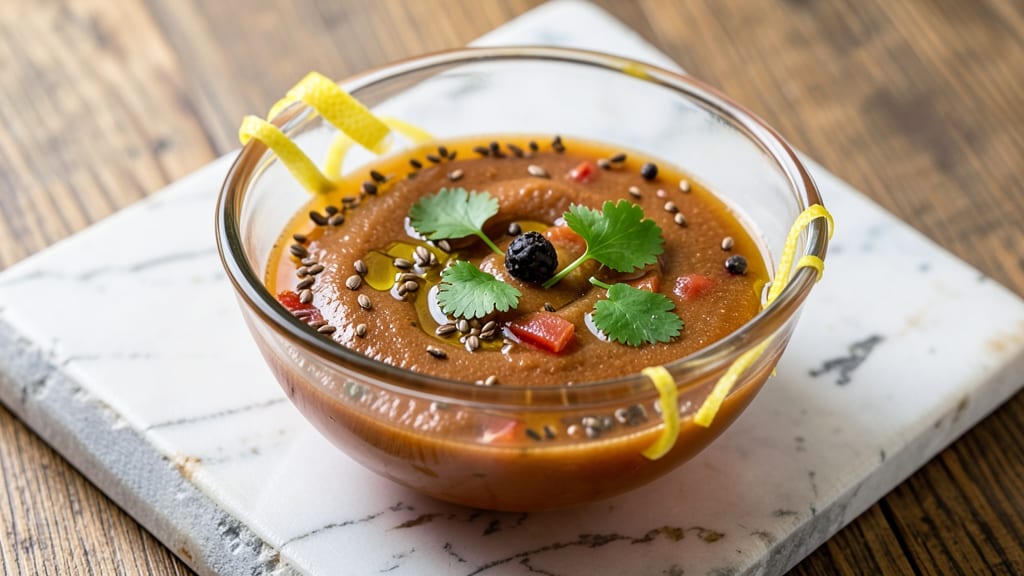
This apricot and coriander sauce transforms ordinary dishes into vibrant, aromatic masterpieces with just a few simple ingredients. The bright floral notes of fresh coriander and the natural sweetness of apricots create a perfect balance that elevates grilled lamb, roasted chicken, or even desserts.
I developed this sauce after discovering how a single drizzle could turn a simple meal into something extraordinary.
The beauty of this sauce lies in its versatility—it works as a bold marinade, a tangy dip, or a sweet glaze.
The process is straightforward: simmer fresh or frozen apricots with garlic, lemon, and a touch of cumin until tender, then blend with fresh coriander and a splash of water to achieve a smooth, velvety consistency.
The result is a sauce that’s rich in flavor but light enough to complement rather than overpower.
What makes this sauce truly special is its ability to adapt to any dish. Drizzle it over grilled lamb for a restaurant-worthy finish, mix it into yogurt for a refreshing dip, or even use it as a glaze for roasted vegetables.
The sauce keeps well in the fridge for up to a week, making it perfect for meal prep or gifting. Once you try it, you’ll never reach for store-bought again.
Ready in just 30 minutes, this sauce delivers restaurant-quality results with minimal effort. The combination of sweet, tangy, and herbal flavors creates a harmony that’s impossible to resist.
Whether you’re hosting a dinner party or simply craving something new, this apricot and coriander sauce is the perfect addition to your cooking repertoire.
Ingredients for apricot and coriander sauce
Bright floral notes meet sweet apricot magic—just nine ingredients transform any dish.
| Ingredient | Amount | Notes |
|---|---|---|
| Fresh Apricots 🍑 | 1 lb | Pitted and roughly chopped |
| Fresh Coriander Leaves 🌿 | 1 cup | Stems removed, loosely packed |
| Garlic Cloves 🧄 | 4 cloves | Peeled and smashed |
| Lemon Juice 🍋 | ¼ cup | Freshly squeezed |
| Ground Cumin 🌶️ | 1 tsp | Toasted for depth |
| Extra-Virgin Olive Oil 🫒 | ½ cup | High-quality, fruity |
| Water 💧 | ¼ cup | For blending consistency |
| Honey 🍯 | 1 tbsp | Optional for extra sweetness |
| Salt 🧂 | ½ tsp | Kosher or sea salt |
| Black Pepper 🌶️ | ¼ tsp | Freshly cracked |
Fresh apricots are the star here—look for ripe but firm ones at the grocery store. The Trader Joe's or Whole Foods sections usually have the best selection. If you can't find fresh, frozen apricots work too (no need to thaw). Coriander leaves should be vibrant green—avoid wilted ones, even if they're on sale. The garlic and cumin are non-negotiable for that signature depth, so grab fresh garlic and toast your cumin in a dry pan for 30 seconds before using—trust me, it makes all the difference. For olive oil, Californian or Italian varieties have that fruity punch that shines in this sauce.
No fresh apricots? Dried apricots soaked in warm water for 20 minutes work in a pinch—they'll be softer and sweeter. Coriander stems too tough? Use flat-leaf parsley at half the amount—it won't be identical, but it'll save your dish. Short on lemon juice? Substitute lime juice, though the flavor will shift slightly. The honey is truly optional—skip it if you prefer tartness, or add maple syrup for a vegan twist. For extra richness, stir in 1 tbsp tahini at the end. And if you're feeling fancy, toast the coriander seeds first (not the leaves!) to add a nutty dimension.
This sauce keeps beautifully—1 week in the fridge sealed in a jar with a thin layer of olive oil on top to preserve freshness. For longer storage, freeze in ice cube trays and transfer to a bag—perfect for single-use portions. The flavors actually deepen overnight, so making a double batch is worth it. I always keep a jar in my fridge for spontaneous drizzling over yogurt, grilled meats, or even vanilla ice cream (yes, really!). If it thickens, just whisk in a splash of water or lemon juice to loosen it up.
Why You'll Love This Recipe
- No Blender Needed: I swear by this sauce because it’s actually foolproof—just a knife, a cutting board, and a little elbow grease. Those apricots soften into a silky texture with a quick simmer, and the coriander brightens everything without requiring a food processor.
- Bright & Earthy Magic: Honestly, the combo of juicy apricots, zesty lemon, and fresh coriander with that warm cumin kick is ridiculously addictive. The garlic adds a punch, but it’s balanced by the sweetness—like a summery hug in a bowl.
- Weeknight & Weekend Star: This sauce works as a dip for grilled chicken, a glaze for fish, or a drizzle over yogurt bowls. I’ve even used it to jazz up plain rice—because sometimes, you just need something that elevates without overcomplicating.
- Makes Leftovers Worth It: Between us, the flavor actually deepens after a day in the fridge. Store it in jars, and you’ve got an instant upgrade for anything from salads to roasted veggies—no last-minute stress, just effortless flavor.
Step-by-step instructions for apricot and coriander sauce
This vibrant sauce comes together in minutes with fresh, bright flavors that elevate grilled lamb beautifully.
Toast the Cumin and Sauté the Garlic
Heat a small skillet over medium-low heat and add the 1 teaspoon ground cumin. Toast for 30 seconds until fragrant and slightly warm—this deepens the earthy flavor. Immediately transfer the toasted cumin to a blender or food processor.
In the same skillet, add the 4 cloves smashed garlic and cook for 30-45 seconds until golden and aromatic. Be careful not to burn the garlic—it should smell sweet and nutty, not bitter. Remove from heat and add the garlic to the blender with the cumin.
Blend the Base Ingredients
Add the 1 pound roughly chopped fresh apricots, 1 cup fresh coriander leaves, 1 tablespoon honey, 0.5 teaspoon salt, and 0.25 teaspoon black pepper to the blender. Pulse until the apricots are finely chopped but the sauce still has some texture—about 10-15 pulses. This ensures a balanced consistency between smooth and rustic.
With the blender running, slowly drizzle in the 0.5 cup extra-virgin olive oil and 0.25 cup water. This prevents the motor from overheating and creates a silky, emulsified sauce. Taste and adjust seasoning—you might need a pinch more salt to balance the sweetness of the apricots.
Finish with Lemon Juice and Strain
Pour the blended mixture into a fine-mesh strainer set over a bowl. Press gently with a spoon to extract the liquid, leaving behind any fibrous bits. This step ensures a velvety texture that coats grilled lamb beautifully. Discard the solids in the strainer.
Return the strained sauce to the blender and add the 0.25 cup freshly squeezed lemon juice. Blend again for 10 seconds to combine. The lemon brightens the flavors and cuts through the richness of the olive oil. Taste again—this is where the sauce truly comes together, balancing sweet, tangy, and herbal notes.
Adjust Consistency and Serve
If the sauce is too thick, thin it with 1-2 tablespoons water at a time until it reaches a pourable consistency—it should coat the back of a spoon smoothly. For a more intense flavor, let it sit at room temperature for 10-15 minutes before serving, allowing the aromas to meld.
Serve the sauce immediately over grilled lamb or drizzle it over roasted vegetables. The vibrant green from the coriander and deep red of the apricots make this sauce as visually stunning as it is delicious. Store any leftovers in an airtight container in the refrigerator for up to 3 days, though it's best enjoyed fresh.
Pro Tips For Making Apricot And Coriander Sauce
- Blister Apricots First: Toss halved apricots in a screaming-hot pan for 2-3 minutes until they pucker and darken—this concentrates their sweetness and makes them easier to blend. I learned this the hard way when my sauce tasted watery because I skipped this step and just chopped them raw.
- Pulse Garlic Cold: Add minced garlic to the blender after the apricots and coriander, then pulse 2-3 times instead of blending continuously—this prevents bitter garlic flavors from overcooking. My grandmother swore by this, and she was right: the sauce stays bright and fresh-tasting.
- Strain the Coriander: Run the blended sauce through a fine-mesh sieve to remove coriander stems and any fibrous bits—it’s a 30-second effort that guarantees a silky texture. I used to skip it, and the sauce always felt gritty, no matter how much I strained.
- Toast Cumin Dry: Bloom the ground cumin in a dry pan for 10 seconds until fragrant before adding it to the sauce—this deepens its earthy notes and prevents a raw, bitter taste. Sounds weird, but it works: the difference is noticeable, especially when paired with the bright lemon.
Regional styles of this dish
Middle Eastern Twist
In the Levant, this sauce becomes a harissa-infused apricot glaze by adding 1 tbsp harissa paste and 1 tsp ground coriander seeds toasted in olive oil. The heat from harissa balances the sweetness beautifully, making it perfect for grilled halloumi or lamb kebabs.
I've seen this version in Syrian restaurants where they drizzle it over mansaf (Jordanian lamb and rice). 🌶️
Indian Chutney Style
For a bold Indian adaptation, swap the coriander leaves for 1 cup fresh mint leaves and add 1 tsp grated ginger and ½ tsp garam masala. The ginger adds a zesty kick while garam masala brings warm spices that complement grilled chicken tikka.
This version works wonderfully as a dip with pita bread or as a marinade for tandoori dishes. I first tried this at a Mumbai street food stall and fell in love with the complexity.
Mediterranean Herb Variation
Greek and Turkish cuisines transform this sauce into a herb-forward drizzle by adding ½ cup chopped fresh dill and 2 tbsp chopped mint. The herbs create a refreshing contrast to grilled meats like souvlaki or adana kebabs.
For extra brightness, finish with 1 tsp dried oregano and a pinch of red pepper flakes. This version pairs perfectly with tzatziki or as a topping for grilled octopus.
Moroccan Spiced Adaptation
In Morocco, this sauce becomes a sweet-spiced tagine glaze by incorporating 1 tsp ground cinnamon, ½ tsp ground ginger, and 1 tsp smoked paprika. The spices create a warm, aromatic profile that works beautifully with tagine-style lamb or chicken thighs.
For an authentic touch, simmer the apricots with 1 cinnamon stick before blending. This version is often served with couscous or flatbread.
Persian-Inspired Sauce
Persian cuisine elevates this sauce by adding 1 tbsp rose water and ½ tsp ground cardamom for a floral, aromatic twist. The rose water adds a delicate sweetness that pairs perfectly with chelo kebab (Persian grilled meats) or mirza ghasemi (Persian herb stew).
For extra richness, stir in 1 tbsp melted butter at the end. This version is a staple in Persian restaurants and brings a touch of elegance to any dish. 💫
Nutrition facts
Frequently asked questions
Can I use dried apricots instead of fresh?
Yes, but you'll need to soak ½ cup dried apricots in warm water for 20 minutes to soften them first. Drain well before blending to avoid a watery sauce. The flavor will be more concentrated, so you might want to reduce the honey slightly to balance the sweetness.
How do I prevent the sauce from being too thick?
Start with ¼ cup water when blending, then add more 1 tablespoon at a time until you reach a smooth, pourable consistency. For extra insurance, simmer the sauce for 5 minutes after blending to evaporate excess moisture. The ideal texture should coat the back of a spoon without being gluey.
What's the best way to store leftovers?
Transfer the sauce to an airtight container and refrigerate for up to 1 week. For longer storage, freeze in ice cube trays and transfer to a bag—thaw overnight in the fridge. To preserve freshness, always keep a thin layer of olive oil on top before sealing.
Can I make this sauce without a blender?
Finely chop the apricots and coriander by hand, then use a mortar and pestle to grind everything together with the olive oil. For a smoother texture, strain through a fine-mesh sieve. The flavor will be slightly rustic but still delicious—perfect for traditional preparations.
What are the best proteins to pair with this sauce?
This sauce shines with grilled lamb, chicken thighs, or halloumi cheese. For vegetarian options, try drizzling it over roasted eggplant or falafel. The sweet-tangy balance works beautifully with rich, fatty proteins that need balancing.