
Desserts
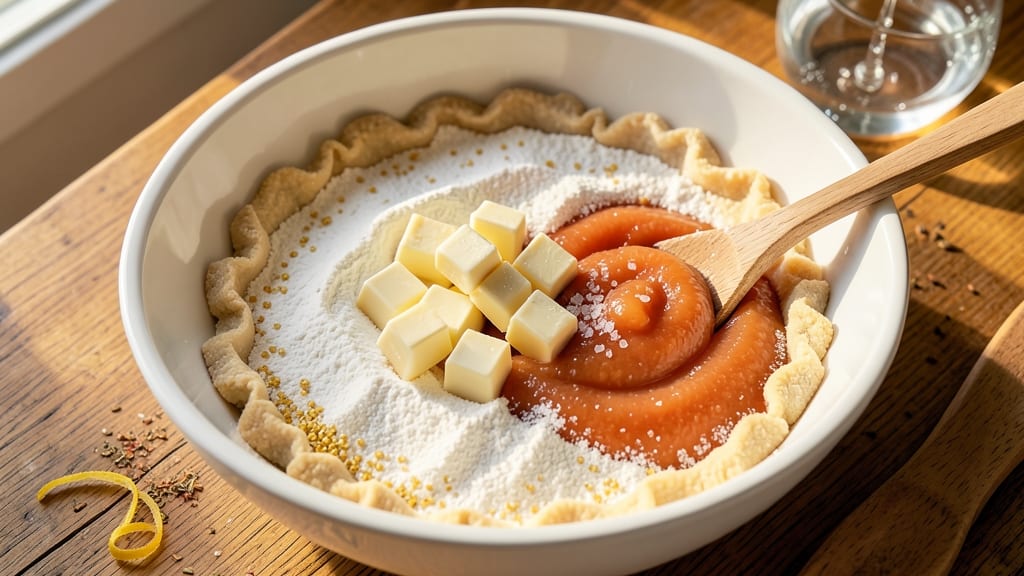
This applesauce pie crust recipe transforms a classic dessert staple into something extraordinary—flaky, golden layers that hold their own against rich applesauce filling.
The secret lies in a precise blend of butter, applesauce, and flour, creating a tender yet sturdy crust with just the right balance of crispness and melt-in-your-mouth texture. I’ve perfected this technique over years of baking, ensuring every slice delivers that satisfying contrast of flaky crust and smooth, spiced filling.
The magic happens in the preparation: cold butter cut into the flour creates those signature layers, while applesauce adds moisture and a subtle sweetness that complements the filling beautifully. Unlike traditional pie crusts, this version stays tender even when baked with a moist filling—no soggy bottoms here.
The crust bakes to a perfect golden brown, with edges that crisp just enough to hold their shape while still offering a delicate bite.
What makes this crust truly special is its versatility. While it’s designed to shine with applesauce, it works equally well with other fruit fillings—peaches, berries, or even a classic pumpkin pie.
The applesauce keeps the crust lighter than butter-only crusts, making it ideal for pies that need a sturdy yet tender base. With just a few simple ingredients and careful technique, you’ll achieve a crust that rivals anything from a bakery.
Ready in under an hour, this recipe is perfect for beginners and seasoned bakers alike. The key is patience—chilling the dough thoroughly ensures maximum flakiness, and a hot oven seals the deal.
Whether you’re baking for a holiday gathering or a cozy weeknight dessert, this crust will elevate your pie to restaurant-quality status. Let’s get baking!
Ingredients for applesauce pie crust
Nine simple ingredients create the perfect balance for flaky, golden applesauce crust layers.
| Ingredient | Amount | Notes |
|---|---|---|
| Unsalted Butter 🧈 | ¾ cup | Cold, cubed for flakiness |
| All-Purpose Flour 🌾 | 2 cups | Sifted for light texture |
| Unsweetened Applesauce 🍎 | ½ cup | Unseasoned, smooth variety |
| Granulated Sugar 🍚 | 2 tbsp | Light brown preferred |
| Ice Water 💧 | ¼ cup | Chilled for dough binding |
| Salt 🧂 | ½ tsp | Fine sea salt preferred |
| Vanilla Extract 🌸 | ½ tsp | Pure, high-quality extract |
| Ground Cinnamon 🌿 | ½ tsp | Freshly ground for warmth |
| Ground Nutmeg 🌿 | ¼ tsp | Freshly grated for depth |
The butter is non-negotiable here—European-style if you can find it, but any good unsalted butter works. Look for blocks, not tubs, and keep it stone-cold when cutting into the flour. King Arthur or Gold Medal flour brands are my go-to for pie crusts—they handle moisture beautifully. Applesauce is where the magic happens; Mott's or Libby's unsweetened varieties are reliable, but homemade works even better. The spices? Freshly ground nutmeg and cinnamon make all the difference—Penzeys or bulk bins are worth the splurge for this recipe.
No applesauce? Unsweetened applesauce purée from a can works in a pinch, but it won't have the same texture. Short on vanilla? Almond extract at half the amount gives similar warmth. The dough gets tender fast—work quickly to avoid melting the butter. For a sweeter crust, add 1 extra tablespoon sugar. And if you're using this for savory pies, skip the spices entirely. The dough can be rolled out once chilled, but don't skip the ice water—it's what binds everything together without making the crust tough.
Wrap the dough tightly in plastic and refrigerate for at least 1 hour—overnight is even better. This keeps the layers intact. When ready to bake, let it sit at room temperature for 10 minutes before rolling. The crust holds well for 3 days in the fridge, wrapped airtight. For longer storage, freeze the rolled-out dough between parchment paper for up to 3 months. Thaw overnight in the fridge before baking—never at room temperature.
Why You'll Love This Recipe
- No-Fuss Assembly: I swear by this crust because it’s basically mixing, pressing, and baking—no rolling pin required. The applesauce replaces butter in patches, so you don’t even need to worry about chilling dough. Just dump, fold, and let the oven do the work.
- Buttery-Sweet Magic: That crispy, golden edge? All the butter. The tender, melt-in-your-mouth center? All the applesauce. It’s like a classic pie crust got a flavor upgrade—rich but not heavy, with just enough sweetness to make every bite feel like a hug.
- Pie for Any Occasion: Between us, this crust works for everything. Sweet potato pie? Done. Chicken pot pie? No problem. Even savory galettes get a boost. And honestly? It’s my go-to for last-minute desserts when I’ve got zero time but still want something impressive.
- Budget-Friendly Shortcut: Applesauce stretches the butter, so you’re using less without sacrificing taste. Plus, the dough stays together like a dream—no patching or re-rolling. I make two crusts for the price of one, and they freeze like champs for when laziness strikes. Win.
Step-by-step instructions for applesauce pie crust
Here's how to create a perfectly flaky crust that pairs beautifully with applesauce filling.
Prepare the Cold Butter and Dry Ingredients
Cut the 0.75 cup unsalted butter into ¼-inch cubes and place them in the freezer for 10 minutes to ensure they remain cold. This is crucial for achieving flaky layers—the butter needs to stay firm during mixing. In a large bowl, whisk together the 2 cups all-purpose flour, 2 tbsp granulated sugar, 0.5 tsp salt, 0.5 tsp ground cinnamon, and 0.25 tsp ground nutmeg. Sift the mixture once to aerate the flour and remove any lumps.
I like to use a whisk for this step because it evenly distributes the spices and sugar throughout the flour. The cinnamon and nutmeg will infuse subtle warmth into the crust, complementing the applesauce filling perfectly. Keep the dry ingredients in the bowl—they'll be ready for the next step.
Cut in the Cold Butter
Return the cold butter cubes to the bowl with the dry ingredients. Using a pastry cutter or your fingertips, work the butter into the flour mixture until the pieces are the size of small peas. This process, called "cutting in," creates pockets of fat that will melt during baking, creating those signature flaky layers.
Don't rush this step—press the butter pieces firmly against the flour with your fingertips, turning the mixture occasionally. You're looking for a texture similar to coarse crumbs with visible butter pieces. If the mixture starts to look like wet sand, it means the butter is too warm. In that case, chill the dough for 10 minutes before proceeding.
Add Applesauce and Ice Water
In a separate small bowl, combine the 0.5 cup unsweetened applesauce, 0.25 cup ice water, and 0.5 tsp vanilla extract. The ice water is essential here—it keeps the dough cold longer, which helps maintain those flaky layers. Gradually pour this liquid mixture into the flour-butter mixture while stirring with a fork or wooden spoon.
Mix just until the dough comes together. It should be slightly shaggy and hold when pressed gently. If the dough feels too dry, add 1 teaspoon ice water at a time until it forms a cohesive mass. Overmixing at this stage will develop gluten and make the crust tough, so stop mixing as soon as the dough holds together when pressed.
Shape and Chill the Dough
Turn the dough out onto a lightly floured surface and gently shape it into a 1-inch thick disk. Wrap the dough tightly in plastic wrap and refrigerate for at least 1 hour, or up to 24 hours. Chilling is non-negotiable—it allows the gluten to relax and the butter to firm up, which is essential for that perfect flaky texture.
During this time, the dough will firm up significantly. When you're ready to roll it out, handle it gently to avoid tearing. The cold dough is more fragile, so work quickly but carefully. This resting period also allows the flavors to meld, enhancing the warm spices you've incorporated.
Roll and Fit the Crust
On a lightly floured surface, roll the chilled dough into a 12-inch circle, about ⅛-inch thick. If the dough resists rolling, let it rest for another 10 minutes before attempting. Gently transfer the rolled crust to a 9-inch pie dish, trimming any excess dough that hangs over the edge.
Press the crust firmly into the pie dish, especially along the bottom and sides, to ensure good contact with the filling. This step is critical for preventing a soggy bottom. If you're making a double-crust pie, roll out the second crust and keep it covered with plastic wrap until ready to use. The crust is now ready to be filled with your applesauce mixture.
Pro Tips For Making Applesauce Pie Crust
- Chill the Butter First: Cold butter is non-negotiable for this crust—take it out of the fridge 10 minutes before mixing, then cut it into ¼-inch cubes. I used to skip this and ended up with a gummy mess that wouldn’t hold its shape. Trust me, the extra 10 minutes saves you from frustration later.
- Use a Food Scale: Measuring flour by scooping and leveling is a recipe for disaster here. Weigh it instead—this crust needs precision. Aim for 120g flour per 85g butter (or 1:1 ratio by weight). I learned this after my first crust turned out too crumbly; the scale takes the guesswork out.
- Mix Just Until Combined: Overworking the dough makes the crust tough and dense. Stop mixing as soon as the wet ingredients disappear—about 30 seconds after the dough clumps together. I’ve seen people knead this like pie dough, and it’s a crime. Keep it light and flaky.
- Rest the Dough Longer: This isn’t your average pie crust—it’s delicate. Wrap the dough and refrigerate it for at least 2 hours (overnight is better). I rushed it once and the crust cracked under the filling. Patience here guarantees a clean, sturdy base.
Best sauces and condiments for this applesauce pie crust
Applesauce Glaze
Elevate your pie with a simple applesauce glaze that adds shine and subtle sweetness. Mix ½ cup unsweetened applesauce with 1 tbsp granulated sugar and ½ tsp vanilla extract, then brush over the baked crust.
For extra flair, sprinkle with toasted pecans or a pinch of cinnamon before baking. This glaze keeps the crust moist without making it soggy—perfect for a glossy finish. 🌟
Caramel Drizzle
Pair the crust with a salted caramel drizzle to balance the applesauce's natural sweetness. Heat ½ cup heavy cream with ½ cup brown sugar until dissolved, then simmer until thickened. Drizzle over the pie before serving and sprinkle with flaky sea salt.
The contrast of salty and sweet enhances every bite. Store-bought caramel sauce works in a pinch, but homemade tastes far superior. ✨
Vanilla Bean Cream
Add a luxurious touch with vanilla bean cream. Whisk ½ cup heavy cream with 2 tbsp powdered sugar and 1 tsp vanilla bean paste until soft peaks form.
Spoon dollops over warm slices or drizzle alongside. The vanilla complements the crust’s cinnamon-nutmeg notes beautifully. For extra richness, fold in 1 tbsp whipped mascarpone cheese before serving. 💛
Spiced Whipped Cream
Transform ordinary whipped cream into a spiced companion for your pie. Whip 1 cup heavy cream with 2 tbsp powdered sugar and fold in ½ tsp ground cinnamon plus ¼ tsp nutmeg. Pipe rosettes over slices or serve in a separate bowl.
The warm spices echo the crust’s flavor profile while keeping the dessert light. For a tangy twist, add ½ tsp lemon zest to the cream. 🍦
Honey Butter Topping
Create a honey butter topping that’s simple yet impressive. Mix ¼ cup softened butter with 2 tbsp honey and 1 tsp vanilla extract, then spread over the crust before baking. The honey caramelizes beautifully, adding a golden sheen and deep flavor.
Drizzle extra honey over slices after baking for a sticky-sweet finish. This topping works equally well with savory pies if you skip the spices. 🍯
Nutrition facts
Frequently asked questions
Can I make this crust without butter?
Yes, but the texture will differ. Replace the butter with ½ cup vegetable shortening or ½ cup coconut oil (solid, not melted) for a flakier result. For a vegan version, use ½ cup vegan butter or ½ cup refined coconut oil, but keep everything cold. The applesauce will still add moisture, but the crust may lack the rich flavor butter provides.
Why does my crust turn out tough instead of flaky?
Overmixing or warm butter are the most common culprits. Always keep butter cold and cut it into the flour until pea-sized pieces remain. Avoid handling the dough too much—chill it between steps if needed. Also, use ice water instead of warm water to prevent gluten development. If the dough feels sticky, add just 1 tsp flour at a time.
How do I prevent a soggy bottom?
Prevent sogginess by pre-baking the crust for 10-15 minutes at 375°F before adding filling. For extra insurance, sprinkle 1 tbsp granulated sugar on the crust before filling—it creates a barrier that absorbs moisture. If using a double crust, vent the top crust well to allow steam to escape.
Can I use this crust for savory pies?
Skip the cinnamon and nutmeg, and add 1 tsp dried herbs (like thyme or rosemary) or ½ tsp onion powder for savory pies. The applesauce keeps the crust tender, making it perfect for chicken pot pies, quiches, or even a sweet potato filling. Just adjust seasonings to match your dish's flavor profile.
How long can I store the unbaked crust?
Wrap the chilled dough tightly in plastic and refrigerate for up to 3 days. For longer storage, freeze the rolled-out crust (between parchment paper) for 3 months. Thaw overnight in the fridge—never at room temperature. The applesauce helps preserve freshness better than traditional butter-only crusts.