
Sauces & Condiments
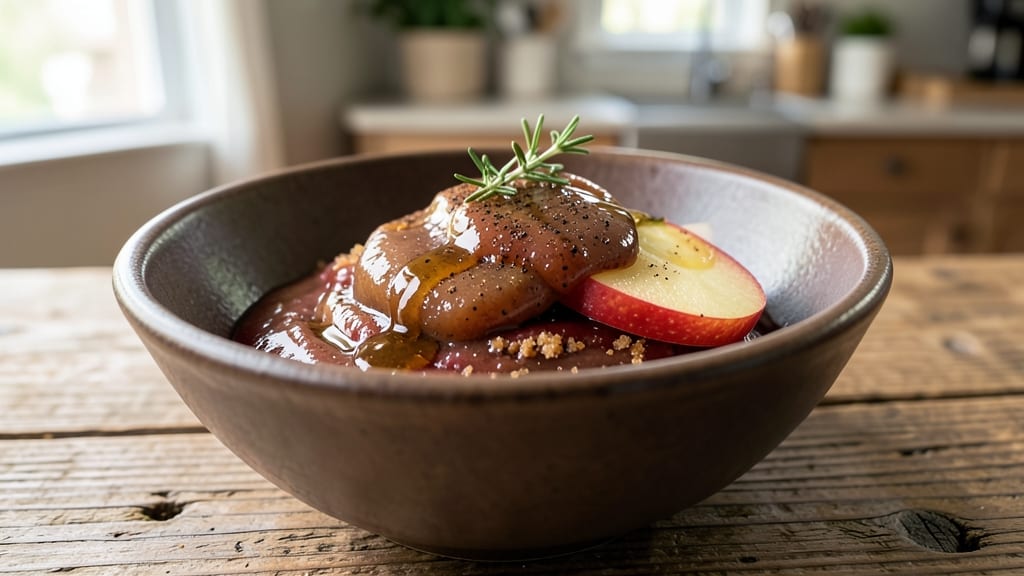
This apple jelly BBQ sauce recipe transforms classic barbecue into a smoky-sweet masterpiece with caramelized apple depth. 🍏 I developed it after years of experimenting with fruit-infused sauces, and it's become my go-to for grilling, marinating, and dipping.
The key lies in balancing apple jelly's natural sweetness with the tang of vinegar and the complexity of spices, creating a sauce that's versatile enough for ribs, pulled pork, or even as a glaze for vegetables.
What sets this sauce apart is its dual texture—thick enough to cling to meat but still pourable for brushing. The process is straightforward: simmer apple jelly with vinegar, tomato paste, and spices until it thickens into a glossy glaze.
I use a blend of brown sugar and molasses for depth, while smoked paprika adds that essential BBQ smokiness without overpowering the apple flavor. The result is a sauce that's both familiar and exciting, with a caramelized shine that makes every bite look (and taste) restaurant-worthy.
This sauce delivers restaurant-quality results with minimal effort. Ready in under 30 minutes, it transforms simple grilled chicken or pork into showstopping centerpieces. The apple jelly adds a subtle fruitiness that complements smoky meats beautifully, while the vinegar and spices ensure it's tangy enough to cut through richness.
It also makes an excellent marinade—just thin it with a splash of apple cider for extra tenderness.
Store-bought apple jelly works perfectly, but for maximum flavor, I recommend using homemade or high-quality brands. The sauce keeps well in the refrigerator for up to 2 weeks, and it freezes beautifully for up to 3 months.
Whether you're grilling for a crowd or prepping for a week of meal-prep dinners, this versatile sauce will elevate every bite. Let's get cooking!
Ingredients for apple jelly bbq sauce
Nine simple ingredients transform into smoky-sweet BBQ magic with caramelized apple shine.
| Ingredient | Amount | Notes |
|---|---|---|
| Apple Jelly 🍏 | 1 cup | High-quality, unsweetened preferred |
| Apple Cider Vinegar 🍶 | ½ cup | For tangy depth |
| Tomato Paste 🍅 | ¼ cup | Smooth, no-sugar-added |
| Brown Sugar 🍚 | ¼ cup | Light or dark variety |
| Molasses 🍯 | 2 tbsp | Unsulphured for best flavor |
| Smoked Paprika 🌶️ | 1 tbsp | For authentic BBQ smokiness |
| Garlic Powder 🧄 | 1 tsp | Freshly ground preferred |
| Ground Black Pepper 🌶️ | ½ tsp | Freshly cracked for heat |
| Salt 🧂 | 1 tsp | Diamond Crystal preferred |
| Water 💧 | ¼ cup | For thinning if needed |
The apple jelly is non-negotiable here—Mott's or Welch's work perfectly, but homemade or local orchard brands elevate the flavor. Look for unsweetened varieties if you can find them, though standard jelly works fine. Apple cider vinegar matters too; Bragg or Texas Pete are my go-tos, but any quality vinegar will do. The tomato paste should be smooth and unsweetened—Muir Glen is my pantry staple. For the spices, Penzeys or bulk bins at natural markets ensure freshness. Smoked paprika is key for that authentic BBQ flavor without overpowering the apple's natural sweetness.
No apple cider vinegar? White vinegar or balsamic vinegar work in a pinch, though the flavor will differ slightly. Short on tomato paste? Crushed tomatoes at half the amount adds body but may thin the sauce. Molasses substitutes? Maple syrup or honey (though honey isn't vegan) work, but molasses gives that deep, caramelized richness. The sauce should be thick but pourable—if it's too stiff, add water 1 tablespoon at a time until you reach the perfect consistency. For extra depth, a pinch of cinnamon or allspice can be added, though I keep it simple with the core ingredients.
This sauce keeps beautifully in the fridge for 2 weeks in an airtight container. For longer storage, freeze it in ice cube trays—perfect for portion control. The caramelized shine improves overnight, so making it ahead is ideal. If you're using it as a marinade, thin with apple cider or water to your desired consistency. The sauce reheats well—simply warm on the stove or microwave until bubbly. Leftovers? Thin with a splash of vinegar or water and use as a glaze for roasted veggies or grilled chicken.
Why You'll Love This Recipe
- Pantry Magic: I swear, this sauce comes together with stuff I always have—no special trips to the store. Just dump in the apple jelly, vinegar, and tomato paste, then let the brown sugar and molasses do their thing while you stir. Honestly, it’s the kind of recipe that makes me feel like a genius for remembering it exists.
- Sweet-Savory Balance: That apple jelly brings a tangy richness that cuts through the smokiness of ribs or chicken. The molasses deepens it just enough to feel special, while the vinegar keeps it bright—like a hug in sauce form. I’ll be real: it’s the kind of flavor that makes people ask, “What’s in this?”
- Weeknight Hero: Slather it on burgers when you’re too tired to grill, toss it with roasted potatoes for dinner, or even drizzle it over fries. Between us, it’s my go-to for lazy nights because it turns simple food into something that feels intentional. (Yes, even on a Tuesday night.)
- Lasts All Week: A single batch stretches across three meals—pulled pork, sandwiches, even as a dip. I make a double batch every Sunday because it’s cheaper than takeout and still tastes like I spent hours in the kitchen. Plus, the leftovers? Even better the next day.
Step-by-step instructions for apple jelly BBQ sauce
This smoky-sweet glaze comes together in one pot with rich layers of caramelized apple flavor.
🍳 Step 1: Combine Wet Ingredients Over Medium Heat
In a medium saucepan, combine the 1 cup apple jelly, 0.5 cup apple cider vinegar, and 0.25 cup tomato paste. Place over medium heat and stir constantly for 5-7 minutes until the mixture begins to bubble gently and thicken slightly. You'll notice the apple jelly dissolving completely into the vinegar, creating a glossy base.
This initial cooking step is crucial for developing the sauce's depth. The vinegar helps break down the jelly's texture while adding that essential tang. If you see any lumps forming, use a silicone spatula to gently press them against the side of the pan until smooth. Here's the thing—don't walk away during this phase. The sauce can burn quickly if unattended, especially around the edges.
🍳 Step 2: Add Sweetener and Molasses for Complex Flavor
Reduce heat to medium-low and whisk in the 0.25 cup brown sugar and 2 tbsp molasses. Stir continuously for another 3-4 minutes until the sugar is completely dissolved and the mixture becomes syrupy. You'll see the color deepen to a rich amber hue, and the aroma will become noticeably more complex with caramelized notes.
The molasses brings that deep, almost chocolatey undertone that elevates this sauce beyond basic sweetness. I like to taste at this stage to check the balance—it should be sweet but not cloying, with just a hint of that molasses depth. If you're using dark brown sugar, you'll get even more pronounced caramel flavors. This is where the sauce starts developing its signature character.
🔥 Step 3: Build Smoky Depth with Spices
Next, add the 1 tbsp smoked paprika, 1 tsp garlic powder, 0.5 tsp ground black pepper, and 1 tsp salt. Stir vigorously for 1-2 minutes until the spices are fully incorporated and the sauce becomes uniformly colored. The smoked paprika will give off a distinct aroma—this is your signal that the smoky character is developing.
Here's where it gets interesting: the spices should dissolve completely, but you'll want to see those flecks of paprika suspended throughout. This creates visual appeal and adds texture to each brushstroke. Taste again now—you should detect the smokiness cutting through the sweetness, with a subtle garlic warmth. If the sauce is too thick at this point, you can add up to 0.25 cup water later to reach your desired consistency.
⏰ Step 4: Simmer Until Glossy and Thickened
Continue simmering on medium-low heat for 10-12 minutes, stirring occasionally, until the sauce reaches a glossy, syrupy consistency that coats the back of a spoon. You'll know it's ready when it holds its shape when drizzled but still flows smoothly. The sauce should reduce by about 25% from its original volume.
This final reduction step is what transforms a good sauce into a great one. The flavors concentrate, the texture becomes perfect for glaze application, and the balance of sweet, smoky, and tangy elements comes into harmony. If you're making this ahead of time, let it cool completely before transferring to a clean jar. The sauce will thicken further as it cools, so you might need to add a splash of water if it becomes too stiff for your liking.
Pro Tips For Making Apple Jelly Bbq Sauce
- Simmer Slow and Steady: This sauce isn’t a race—low and slow is the name of the game. I used to crank the heat too high and end up with a thin, vinegary glaze instead of a rich, sticky sauce. Keep it at a gentle boil (tiny bubbles, not a rolling frenzy) for at least 20 minutes to let the flavors meld.
- Stir the Tomato Paste: That tomato paste is where the depth happens, but it’s also where lumps hide. Whisk it into the vinegar first before adding anything else—no clumps, no bitter surprises. I learned this the hard way after tasting a batch where I’d just dumped it in and stirred later.
- Balance the Sweetness First: Taste as you go, especially with the brown sugar and molasses. Start with half the called-for amount, then adjust—you can always add more sweetness, but you can’t take it away. My first batch was cloyingly sweet because I assumed "more is better."
- Use Real Apple Jelly: That jarred apple jelly isn’t just a filler—it’s the fruit flavor carrier. Skip the cheap, watery brands; look for ones with thick, chunky pieces and minimal additives. I was skeptical until I tried it—I now use it like a shortcut for fresh apple puree, but better.
Essential equipment for this dish
Saucepan Essentials
Start with a medium-sized saucepan—I prefer Calphalon or All-Clad for their even heat distribution. A 3-4 quart pan gives you enough room to stir without splattering. The saucepan should have slightly sloped sides to help prevent burning while you stir.
Avoid nonstick pans—they don't handle the heat well for this recipe, and the sauce needs proper caramelization. 🔥
Stirring Tools
A silicone spatula is your best friend here. I reach for my OXO Good Grips silicone spatula because it's heat-resistant and flexible enough to scrape every bit of sauce from the pan.
For whisking, a balloon whisk helps dissolve sugar and spices smoothly. Avoid metal utensils if your pan isn't stainless steel—they can scratch nonstick coatings.
Measuring Tools
Precision matters with this recipe, so invest in a stainless steel measuring cups and spoons—I swear by Farberware for their durability. A digital kitchen scale is optional but helpful for spices like smoked paprika, where accuracy makes a difference.
For liquid measurements, use a liquid measuring cup with clear markings for the apple cider vinegar and water.
Heat Control
You'll need medium and medium-low heat settings—most stovetops have these marked clearly. If yours doesn't, remember: medium heat should create small bubbles around the edges, while medium-low should have gentle, rolling simmers.
A kitchen thermometer (like the Thermoworks Thermapen) helps if you're unsure—ideal saucepan temps hover around 180-200°F during simmering.
Storage Containers
For short-term storage, use glass jars with airtight lids—I love Ball Mason jars for their durability and microwave-safe properties. For long-term freezing, silicone ice cube trays work perfectly for portion control.
Label everything with the date—this sauce keeps for 2 weeks refrigerated or 3 months frozen, but flavor peaks within the first week. ✨
Optional Upgrades
Want to take it pro? A small immersion blender (like the Magic Bullet) helps achieve ultra-smooth texture if you prefer no lumps. For extra smokiness, a smoked salt (like Maldon) sprinkled at the end adds depth.
And if you're making this often, a slow cooker on low can handle the simmering—just stir occasionally to prevent sticking. 💫
Nutrition facts
Frequently asked questions
Can I substitute apple jelly with applesauce in this BBQ sauce?
You can try, but the results will differ significantly. Apple jelly adds a thicker, more concentrated fruit flavor and natural pectin that helps thicken the sauce beautifully. Applesauce would make the sauce thinner and less glossy. If you must substitute, reduce the applesauce to ½ cup and add 1 tbsp cornstarch to help thicken it. The texture won't be identical, but you'll still get that apple sweetness.
How do I adjust the sweetness level for different meats?
For pork shoulder or ribs, this sauce is perfect as-is with its balanced sweetness. For chicken or turkey, you might want to reduce the brown sugar to 2 tbsp and add 1 extra tbsp vinegar to prevent overpowering the milder meat. For beef brisket, increase the molasses to 3 tbsp to complement the richness. Always taste as you go!
Can I make this sauce in an Instant Pot or slow cooker?
Yes! For the Instant Pot, combine all ingredients and cook on High Pressure for 5 minutes, then quick-release. For a slow cooker, combine everything and cook on Low for 3-4 hours, stirring occasionally. The slow cooker method gives you more control over thickness—add water 1 tbsp at a time if it gets too thick. Both methods work well, but the stovetop version gives you more precise control over the caramelization.
Why did my sauce turn out too thick or too thin?
Thick sauce? You likely reduced it too much or didn't stir enough. Thin it with 1 tbsp water or apple cider vinegar at a time. Too thin? Simmer uncovered for 5-10 extra minutes on medium heat, stirring constantly. The key is patience—don't rush the reduction. If you're using a slow cooker, reduce the cooking time slightly next time. Remember, the sauce will thicken more as it cools!
Can I use this sauce as a marinade?
For marinating, thin the sauce with ¼ cup apple cider or water per 1 cup of sauce. This creates a perfect balance of flavor and moisture. Marinate chicken or pork for 4-6 hours or beef for 8-12 hours. The acid in the vinegar helps tenderize the meat while infusing it with that delicious smoky-apple flavor. Just don't use it on delicate fish—it's too tangy!