
Sauces & Condiments
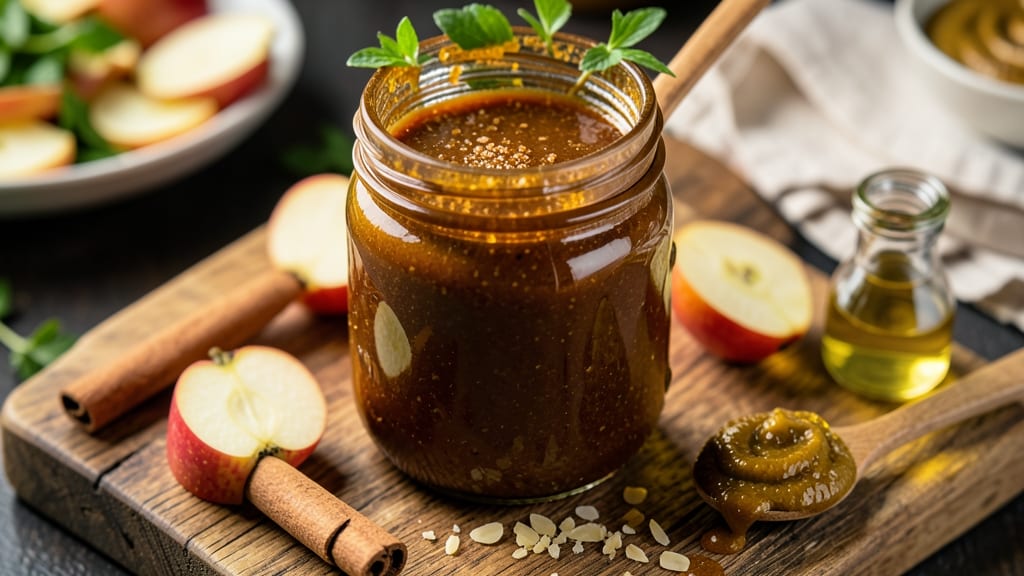
This apple BBQ sauce canning recipe transforms your grill season into a year-round flavor adventure with just 15 minutes of prep and a 2-hour simmer.
After years of perfecting sauces for competitions, I've developed a sweet-tangy blend that preserves beautifully—whether you're water-bath canning for pantry staples or freezing for quick access. The secret lies in balancing apple cider, vinegar, and spices to create that signature glossy finish that clings perfectly to ribs and brisket.
The sauce begins with a simple reduction of apple cider, vinegar, and brown sugar until it thickens into a glossy paste—this isn't just sweet, it's complex with a slow-building tang that deepens over time.
I add a touch of mustard for depth and smoked paprika for that unmistakable BBQ aroma, then pressure-can the finished sauce to ensure safety and shelf stability for up to a year. The result?
A sauce that's smoother than store-bought but packed with the kind of flavor that turns weeknight grilling into an event.
What makes this recipe professional-grade is the attention to detail: precise measurements for even flavor distribution, a proper sterilization process for your jars, and the right balance of acidity (thanks to vinegar) to preserve the sauce safely.
You'll end up with enough to stock your pantry for holidays, game days, or spontaneous cookouts—no more scrambling for store-bought when the craving hits. The sauce works as a marinade, glaze, or dipping sauce, making it the ultimate BBQ multitasker.
Once canned, these jars become your secret weapon for year-round grilling. Store them in a cool, dark place and they'll stay vibrant and flavorful for months.
Whether you're slow-smoking a brisket or basting chicken on the grill, this apple BBQ sauce delivers that perfect balance of sweet and tangy that keeps people coming back for seconds. Let's get canning!
Ingredients for apple bbq sauce canning
These ten ingredients balance sweetness, tang, and smoky depth for a sauce that canned beautifully.
| Ingredient | Amount | Notes |
|---|---|---|
| Unfiltered Apple Cider 🍎 | 2 cups | 100% pure, no additives |
| Apple Cider Vinegar 🍏 | 1 cup | Raw, unfiltered preferred |
| Light Brown Sugar 🍚 | 1 ½ cups | Packed firmly, no substitutions |
| Smoked Paprika 🌶️ | 2 tbsp | High-quality, deep color |
| Dijon Mustard 🍯 | 2 tbsp | Mild, not spicy |
| Granulated Garlic 🧄 | 1 tbsp | For consistent flavor |
| Onion Powder 🧅 | 1 tbsp | Freshly ground preferred |
| Ground Black Pepper 🌶️ | ½ tsp | Freshly cracked |
| Salt 🧂 | 1 ½ tsp | Diamond Crystal preferred |
| Xanthan Gum 🧪 | ¼ tsp | For perfect thickness |
The apple cider is non-negotiable—Mott's or Woodchuck are my go-tos, but any unfiltered brand works. The vinegar should be raw and unfiltered too; Bragg's is a reliable choice. Brown sugar adds depth, but don't pack it loosely—tap the measuring cup firmly to eliminate air gaps. For smoked paprika, Penzeys or McCormick Gourmet deliver the deepest flavor. The Dijon mustard is where the sauce gets its complexity, so avoid the spicy varieties—stick with mild for that perfect balance. If you're using fresh garlic, finely mince it and toast it in the oil first for a deeper flavor, but the granulated is a reliable shortcut.
No apple cider vinegar? White vinegar with 1 tsp lemon juice mimics the tang, though it won't be identical. Running low on brown sugar? White sugar plus 1 tsp molasses works in a pinch, but the caramel notes will be subtly different. Swapping smoked paprika for regular? Add a pinch of liquid smoke to compensate, but don't overdo it—you want smoky, not campfire. The xanthan gum is crucial for that glossy finish; if you're avoiding it, add 1 extra tbsp of cornstarch to the reduction, but stir constantly to prevent clumping. For a quicker prep, pre-measure all spices into a small bowl—no more mid-recipe scrambling.
This sauce is designed to last. Once canned, store jars in a cool, dark pantry—they'll stay vibrant for up to 12 months. For freezing, portion into ice cube trays or small containers—thaw overnight in the fridge before using. The sauce thickens as it cools, so stir before each use. If it separates, just reheat gently and whisk until smooth. Pro tip: Label jars with the date—trust me, you'll forget which batch you opened first. The sauce freezes beautifully too, so make extra for those spontaneous grill nights.
Why You'll Love This Recipe
- No-Fuss Pantry Magic: I’ll be real—this sauce comes together with stuff I already have. Unfiltered apple cider and vinegar? That’s it for the acid base. Brown sugar and smoked paprika? Boom, depth without extra shopping. Honestly, I’ve made it three times in a row using the same ingredients, and it’s never let me down.
- Smoky-Sweet Obsession: That smoked paprika and Dijon mustard combo? It’s the kind of flavor that lingers. The apple cider vinegar cuts through the sweetness just enough to keep it from being cloying—like a perfect balance of campfire and orchard in every jar. I’ve drizzled it on grilled chicken, and my kids still ask for seconds.
- Jars for Every Occasion: This isn’t just for summer BBQs. I keep a batch in the fridge for weeknight dinners—toss it on roasted carrots or even scrambled eggs. And when company comes over? It’s my go-to for brining pulled pork or glazing ribs. Between us, I’ve even used it as a marinade for salmon, and it worked like a charm.
- Leftovers That Pay Off: I make a big batch and can it, so I’m never scrambling for store-bought sauce. The sugar helps it shelf-stable, and the vinegar keeps it from spoiling. Plus, it’s cheaper than buying fancy BBQ blends—just a few dollars’ worth of ingredients stretches into jars that last months. My wallet and my taste buds win.
Step-by-step instructions for preserving apple BBQ sauce
Here's how to transform fresh apple cider into a rich, shelf-stable sauce that captures autumn's essence.
🍳 Step 1: Combine Wet Ingredients for Perfect Balance
In a large, heavy-bottomed saucepan, combine the 2 cups unfiltered apple cider and 1 cup apple cider vinegar. Bring to a gentle simmer over medium heat, stirring occasionally to prevent scorching. The vinegar will help preserve the sauce while adding that signature tangy depth.
Once simmering, whisk in the 1.5 cups packed light brown sugar gradually to dissolve completely. This step is crucial—sugar needs time to fully incorporate, preventing graininess in the finished sauce. Let the mixture cook uncovered for 10-12 minutes, stirring frequently, until it thickens slightly and coats the back of a spoon.
🍳 Step 2: Build Flavor with Spices and Seasonings
Reduce heat to low and stir in the 2 tablespoons smoked paprika, 1 tablespoon granulated garlic, 1 tablespoon onion powder, 0.5 teaspoon ground black pepper, and 1.5 teaspoons salt. Let the spices bloom for 3-4 minutes, allowing their aromas to meld into the sauce. You'll notice the kitchen filling with that warm, smoky apple scent—this is where the magic happens.
Next, whisk in the 2 tablespoons Dijon mustard and 0.25 teaspoon xanthan gum. The mustard adds complexity while the xanthan gum ensures perfect thickness without overcooking. Stir constantly for 5 minutes until the sauce becomes glossy and smooth. If you see any lumps, strain through a fine-mesh sieve into a clean saucepan for a silky texture.
🔥 Step 3: Simmer to Safe Canning Temperature
Return the sauce to a rolling boil and maintain at 215°F for 15 minutes, stirring occasionally. This high temperature ensures proper sterilization and prevents mold growth during storage. The sauce should reduce slightly, becoming thicker and more concentrated. Taste and adjust seasoning if needed—you want a balance of sweet, tangy, and smoky flavors.
Real talk: Don't rush this step. Properly processed sauce will last 12-18 months unopened. If you're canning in a water bath, ensure your jars are prepped and ready—you'll need to work quickly during the next transfer.
🥫 Step 4: Prepare Jars and Lids for Safe Storage
While the sauce simmers, prepare your canning jars by washing them in hot, soapy water and rinsing thoroughly. Place lids in a pot of simmering water to sterilize, but keep bands separate until ready to use. Fill each jar with the hot sauce, leaving ½-inch headspace at the top. Use a spatula or spoon to remove air bubbles by sliding it along the inside of the jar.
Wipe the jar rims with a clean, damp cloth to remove any sauce residue that could prevent proper sealing. Place the lids on the jars and screw on the bands until fingertip-tight—don't overtighten, or the jars may not seal properly.
⏰ Step 5: Process in Water Bath for Long-Term Preservation
Lower the filled jars into your canning pot using a jar lifter, ensuring they're covered by 1-2 inches of water. Bring to a full boil and process for 15 minutes at 212°F (adjust for altitude if needed). This boiling time destroys harmful bacteria and creates a vacuum seal.
After processing, remove the jars and let them cool undisturbed for 12-24 hours. You'll hear the satisfying "ping" as the lids seal. Check seals by pressing the center of each lid—if it doesn't pop, your sauce is properly preserved. Store in a cool, dark place for up to 18 months, ready to enhance any grilled masterpiece.
Pro Tips For Making Apple Bbq Sauce Canning
- Simmer Slow and Steady: Skip the urge to rush this sauce—apple cider’s natural sweetness and vinegar’s acidity need time to meld. A gentle boil for 20-25 minutes (not a rolling boil) prevents scorching the brown sugar and lets the smoked paprika’s flavor bloom without bitterness. Trust me, your jars will thank you later.
- Strain the Cider First: Unfiltered apple cider’s sediment can turn your sauce cloudy or gritty in jars. Strain it through a fine-mesh sieve or cheesecloth before cooking—it takes two minutes and makes the finished sauce look like it came from a gourmet store. (Yes, even if you’re impatient like me.)
- Don’t Skimp on the Mustard: That Dijon isn’t just for tang—it’s the glue holding your sauce together. If you’re tempted to halve it for cost, resist. The mustard cuts through the sugar’s cloying sweetness and balances the vinegar’s sharpness. I learned this the hard way after canning a batch that tasted like syrup.
- Test the pH Before Canning: Apple cider vinegar’s acidity varies by brand, and your sauce must hit pH 4.6 or lower for safe canning. Grab a pH strip or use the vinegar test (add 1 tablespoon of vinegar to 1 cup of cooled sauce, then test again)—skipping this step risks spoilage. No shortcuts here.
Troubleshooting perfect results
Sauce Too Thin?
If your apple BBQ sauce ends up too thin after canning, the issue is usually under-simmering or insufficient xanthan gum. Next time, simmer the sauce uncovered for an extra 5-10 minutes after adding spices to reduce liquid naturally.
For a quick fix, whisk in ½ teaspoon cornstarch mixed with 1 tablespoon cold water per pint jar, then reheat gently until thickened. I've also had success adding 1 extra teaspoon xanthan gum during initial cooking for better body.
Jars Not Sealing?
Unsealed jars usually mean insufficient headspace, improper lid placement, or insufficient processing time. Double-check you left ½-inch headspace—this is critical! Also ensure lids are clean and bands are fingertip-tight (not overly tight).
If using a water bath, process for the full 15 minutes—altitude adjustments are crucial above 1,000 feet. Pro tip: Simmer vinegar separately and add it last to boost acidity, which helps sealing. 🔥
Mold or Fermentation?
Mold or fermentation indicates improper sterilization or air pockets. Always boil lids for 10 minutes before use, and ensure jars are completely submerged during processing. If you see mold after opening, it's likely surface contamination—simply discard that jar.
For fermentation prevention, add ¼ teaspoon citric acid per quart of sauce during cooking. I've never had this issue with proper processing, but it's worth noting for first-timers.
Grainy Texture?
Graininess usually means sugar didn't dissolve properly. Next time, whisk the brown sugar into the simmering cider vinegar mixture gradually over low heat for 5 minutes before adding other ingredients.
For existing grainy sauce, strain through a fine-mesh sieve or blend briefly with an immersion blender. The xanthan gum helps prevent this, but proper stirring during reduction is key. 💫
Sauce Too Sweet?
If your sauce tastes overly sweet, the vinegar-to-sugar ratio needs adjustment. For future batches, reduce brown sugar by ¼ cup and increase apple cider vinegar by 2 tablespoons. For immediate correction, add 1 extra tablespoon vinegar per pint jar and reheat gently.
Taste as you go—this sauce should have sweetness balanced by tang. I've found that using slightly less sugar initially prevents this common issue.
Color Fading?
Faded color usually means insufficient smoked paprika or oxidation. For deeper color, increase smoked paprika to 2.5 tablespoons and add ½ teaspoon liquid smoke during the final simmer. To prevent oxidation, store opened jars in the fridge and use within 3 months.
The glossy finish comes from proper reduction—don't rush the simmering process. This sauce should maintain vibrant color for up to 18 months unopened.
Nutrition facts
Frequently asked questions about apple BBQ sauce canning
Can I use regular white vinegar instead of apple cider vinegar?
You can substitute, but the flavor will be different. Apple cider vinegar adds depth and complexity that white vinegar can't replicate. For a closer match, use white vinegar plus 1 teaspoon lemon juice per cup to mimic the tang. The sauce will still preserve safely, but the apple notes will be subtler.
How many jars will this recipe make?
This recipe yields about 4-5 pint-sized jars (or 2-3 quart jars) depending on headspace. Always leave ½-inch of space at the top of each jar for proper sealing. If you're new to canning, start with pint jars—they're easier to manage and perfect for small batches.
Do I need a pressure canner for this sauce?
No, a water bath canner works perfectly for this recipe since it's high-acid (thanks to the vinegar). The 15-minute processing time at 212°F ensures safety. Pressure canning isn't required unless you're making low-acid sauces like tomato-based ones. Always adjust processing time for altitude over 1,000 feet.
Can I add fresh apples to this sauce?
Fresh apples aren't recommended for canning—they introduce too much moisture and can cause fermentation. Instead, use apple cider or apple juice for liquid, and stick to the dried spices listed. The recipe is designed to balance sweetness and tang without needing fresh fruit. For a fresh apple twist, try making a separate batch of apple chutney to serve alongside.
How do I know when the sauce is ready to can?
The sauce is ready when it reaches a rolling boil and maintains 215°F for 15 minutes. It should coat the back of a spoon and have a glossy finish. Taste it before canning—it should be balanced between sweet, tangy, and smoky. If it's too thin, simmer uncovered for 5-10 extra minutes to reduce.