
Sauces & Condiments
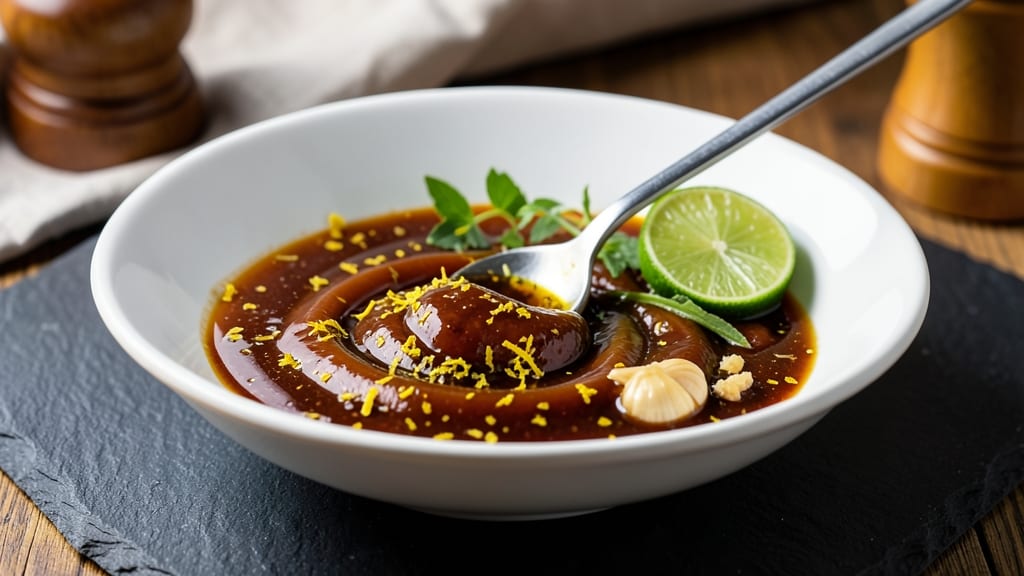
This Annie Chun's Pad Thai sauce recipe delivers the perfect balance of tangy, umami-rich flavors that make every bite unforgettable. The secret lies in tamarind paste's signature sourness, fish sauce's deep savory notes, and palm sugar's caramelized sweetness—all combined in just 10 minutes.
I've recreated this restaurant-quality sauce at home countless times, and it never fails to elevate noodles, tofu, or grilled meats with that signature Thai restaurant taste.
The authentic version relies on traditional ingredients like rice vinegar for brightness and chili flakes for heat, but I've included vegan substitutions for fish sauce to make it accessible to everyone.
What sets this sauce apart is its versatility—use it immediately for fresh pad thai or store it in the fridge for up to 2 weeks, where the flavors actually deepen over time.
The key technique is simmering the sauce just until it thickens slightly, creating that perfect glossy consistency without overpowering the dish.
By the time you're done, you'll have a sauce that's boldly tangy, richly umami, and perfectly balanced—just like the version that made Annie Chun's famous.
The aroma alone will transport you to a bustling Thai street market, while the flavor delivers that perfect harmony of sweet, sour, salty, and spicy. This isn't just a sauce; it's the foundation of an authentic Thai dining experience you can recreate at home.
The best part? This sauce transforms simple ingredients into something extraordinary with minimal effort. Whether you're making pad thai, drizzling it over grilled shrimp, or using it as a marinade, the possibilities are endless. Let's get started on this game-changing recipe that will make your taste buds sing.
Ingredients for annie chun's pad thai sauce
Ten bold ingredients that capture Annie Chun's signature tangy-umami magic in minutes.
| Ingredient | Amount | Notes |
|---|---|---|
| Tamarind Paste 🍯 | ½ cup | Unsweetened, smooth texture |
| Palm Sugar 🍯 | ¼ cup | Finely ground, light brown |
| Rice Vinegar 🍶 | ¼ cup | White or seasoned variety |
| Vegetarian Fish Sauce Substitute 🍶 | ¼ cup | Soy sauce + lime juice blend |
| Soy Sauce 🍶 | ¼ cup | Light or regular, not low-sodium |
| Lime Juice 🍋 | ¼ cup | Freshly squeezed, strained |
| Red Chili Flakes 🌶️ | 1 tbsp | Adjust for heat preference |
| Garlic Cloves 🧄 | 4 cloves | Minced for aromatic depth |
| Sesame Oil 🫒 | 1 tbsp | Toasted, for nutty aroma |
| Water 💧 | ½ cup | Room temperature preferred |
The tamarind paste is non-negotiable—this is where the authentic sour punch comes from. Look for unsweetened paste at Asian markets or in the international aisle; the smooth, block variety dissolves best. Palm sugar, if unavailable, can be swapped for light brown sugar, though it won't have the same caramel notes. For the fish sauce substitute, soy sauce plus lime juice mimics the umami-salty profile perfectly, though it lacks the depth of traditional fish sauce. Garlic should be freshly minced—pre-minced loses its aromatic punch quickly. Sesame oil adds that signature nutty aroma, so don't skip it unless you're sensitive to its flavor.
No tamarind paste? Lemon juice plus a pinch of sugar gets you close, though the flavor won't be identical. Running out of palm sugar? Honey or maple syrup work in a pinch, but adjust the amount—start with half and taste as you go. For heat, Sriracha or sambal oelek can replace chili flakes, but they'll add moisture. The garlic can be roasted for a sweeter profile if you prefer. If you're making this vegan, ensure your soy sauce is gluten-free if needed. The rice vinegar should be white—seasoned varieties add unnecessary saltiness. And remember: the sauce thickens as it cools, so don't over-simmer it.
This sauce is a flavor powerhouse that only gets better with time. Store it in an airtight container in the fridge for up to 2 weeks, where the flavors meld into something even more complex. For longer storage, freeze it in ice cube trays—perfect for single-use portions. The sauce thickens when chilled, so give it a quick whisk before using. It's amazing on pad thai, but also elevates grilled chicken, tofu, or even as a marinade. The aroma alone will transport you to a bustling Thai street market—trust me, it's worth making extra.
Why You'll Love This Recipe
- Pantry Magic: I’ll be real—this sauce comes together with stuff I already had. Tamarind paste and palm sugar? Those little jars sit in my cupboard for months until this recipe turns them into something ridiculously good. No fancy shopping list, just balance.
- Tangy-Sweet Balance: That first spoonful of tamarind and palm sugar? It’s like a flavor explosion—sour, sweet, and just a little funky. The rice vinegar cuts through it perfectly, and the vegetarian fish sauce substitute adds that umami punch without the fishy aftertaste. Honestly, it’s the kind of sauce that makes you want to eat noodles for breakfast.
- Meal Prep MVP: I make a big batch on Sundays, and it lasts me all week. Toss it with fresh or dried noodles, stir-fry veggies, or even drizzle it over tofu bowls. It’s my go-to for lazy nights when I don’t want to cook—just reheat and serve. (Yes, even on a Tuesday night.)
- Budget-Friendly Staple: This sauce costs me pennies to make, but it feels like a restaurant dish. A little goes a long way, so I stretch it across multiple meals without breaking the bank. Plus, the ingredients are cheap and shelf-stable—no wasted money on perishables. My wallet and taste buds both win.
Step-by-step instructions for Annie Chun's pad Thai sauce
Here's how to capture that signature tangy-sweet balance with restaurant-quality precision.
Bloom the Garlic in Toasted Sesame Oil
Heat a small saucepan over medium-low heat and add the 1 tablespoon sesame oil. Let it warm for 30 seconds until fragrant—you'll smell that nutty aroma develop. Add the 4 minced garlic cloves and cook for 30 seconds until golden but not browned. This step builds the aromatic foundation that makes the sauce sing.
Watch the garlic carefully—it burns quickly. If it starts to darken, remove the pan from heat immediately. The garlic should be just barely golden around the edges, not crispy. Let the mixture cool for 2 minutes before proceeding, as we'll be adding cold ingredients next.
Combine Wet Ingredients for the Base
In a medium mixing bowl, whisk together the 0.5 cup tamarind paste and 0.25 cup palm sugar until fully dissolved and smooth. This creates the signature sweet-tangy balance. Add the 0.25 cup rice vinegar, 0.25 cup vegetarian fish sauce substitute, and 0.25 cup soy sauce, whisking constantly to integrate all components.
The mixture will be thick and syrupy at this stage. If you notice any graininess from the palm sugar, strain it through a fine-mesh sieve to ensure a silky texture. This is your flavor backbone—every ingredient here contributes to that authentic Annie Chun's profile.
Build Depth with Lime and Chili
Return the garlic-sesame mixture to your saucepan and add the combined wet ingredients from the bowl. Stir over low heat for 2 minutes to let the flavors meld. Add the 0.25 cup lime juice and 1 tablespoon red chili flakes, stirring continuously. The sauce should begin to bubble gently—this indicates proper heat.
Taste at this stage. You should detect bright acidity from the lime, subtle heat from the chili, and that unmistakable umami from the fish sauce substitute. If the sauce tastes too sharp, add 1 teaspoon more palm sugar. If it needs more tang, add 1 teaspoon rice vinegar. This is where you fine-tune the balance.
Thin and Finish the Sauce
Remove the sauce from heat and add the 0.5 cup water in a slow stream while whisking continuously. This creates the perfect consistency—thin enough to coat noodles beautifully but thick enough to cling. The sauce should coat the back of a spoon but still flow freely when drizzled.
Return to low heat for 1 minute to let the flavors fully integrate. The final sauce should have a glossy sheen and a consistency similar to heavy cream. If it's too thick, add 1 tablespoon more water. If it's too thin, simmer for 30 seconds to reduce slightly. Let it cool for 5 minutes before using—this allows the flavors to mature.
Adjust for Perfect Balance
Taste the cooled sauce against your desired flavor profile. For authentic Annie Chun's character, you want:
- Sweetness from palm sugar
- Tang from tamarind and rice vinegar
- Umami from fish sauce substitute and soy sauce
- Brightness from lime juice
- Heat from chili flakes
Make final adjustments: add palm sugar for more sweetness, rice vinegar for more tang, fish sauce substitute for deeper umami, or lime juice for brightness. The sauce should be complex but harmonious—each element should complement rather than compete. Once perfect, it's ready to toss with your noodles and toppings.
Pro Tips For Making Annie Chun'S Pad Thai Sauce
- Dilute the Tamarind First: I learned this the hard way—dumping clumpy tamarind paste straight into the sauce makes it grainy no matter how much you stir. Instead, mix it with 2 tablespoons of warm water before adding it to the pot. This breaks up the fibers and blends it smoothly into the sauce. Trust me, your sauce won’t look like sandpaper.
- Toast the Palm Sugar: Palm sugar has a habit of dissolving unevenly, leaving pockets of sweetness. Lightly toast it in a dry pan for 30 seconds until it smells fragrant—this caramelizes it just enough to integrate better into the sauce. Skip this, and you’ll taste sugar grains lurking in every bite.
- Balance the Vinegar Last: Rice vinegar is the flavor wild card—add it too early, and the acidity will fight the tamarind’s tang. Wait until the sauce is simmering and all other ingredients are dissolved, then add the vinegar. Taste as you go; you can always add more, but you can’t take it out.
- Swap Fish Sauce for Umami Bomb: Vegetarian fish sauce substitutes vary wildly, but coconut aminos (1:1 ratio) add depth without the funk. If yours tastes flat, boost it with ½ teaspoon of miso paste or a dash of liquid smoke—just don’t overdo it, or your sauce will taste like a campfire.
Wine and beer pairings for this dish
Thai White Wine Pairings
For this tangy, umami-rich sauce, I reach for a crisp Thai white wine like Oakley Vineyards Gewürztraminer—its lychee and floral notes complement the tamarind's sourness beautifully. The slight sweetness in Gewürztraminer mirrors the palm sugar in the sauce, creating a perfect harmony.
Serve it slightly chilled to enhance the wine's refreshing qualities while balancing the sauce's bold flavors. 🍷
Riesling for Balance
A dry Riesling from Germany or Australia works wonders with pad thai sauce. I love Dr. Loosen Blue Slate Riesling—its citrus acidity cuts through the richness while its mineral notes enhance the umami depth.
The wine's natural sweetness also echoes the palm sugar, making each bite of noodles more vibrant. Opt for a Kabinett-level Riesling to avoid overwhelming the dish's delicate balance.
Light Beer Options
For beer lovers, a Thai lager like Singha or Chang is ideal—their subtle malt sweetness and clean finish let the sauce's flavors shine. If you prefer craft options, a Belgian witbier such as Hoegaarden adds a peppery contrast that pairs surprisingly well with the chili flakes.
Avoid heavy IPAs or stouts, which would overpower the sauce's delicate tang.
Non-Alcoholic Pairings
Don't overlook sparkling lime soda like Jarritos Lime—its effervescence cleanses the palate between bites, while the lime flavor enhances the sauce's brightness. For something bolder, try Thai iced tea (sweetened with palm sugar) to mirror the sauce's sweet-sour profile.
A simple sparkling water with lime wedge also works beautifully, keeping the focus on the dish's authentic flavors.
Pro Tip for Pairing
Always serve your wine or beer slightly cooler than room temperature—around 45-50°F for whites and 40-45°F for beers. This enhances their refreshing qualities and prevents them from competing with the sauce's bold flavors.
I like to chill my wine for 20 minutes in the fridge before serving, while beers should be served from the fridge or a cooler. 💡
Nutrition facts
Frequently asked questions
Can I make this sauce without tamarind paste?
Yes, but the flavor will differ. For a similar tangy profile, mix 0.3 cup lemon juice with 1 teaspoon sugar to mimic tamarind's sweet-sour balance. The sauce will be brighter but less complex—tamarind's unique depth is hard to replicate. If you can't find tamarind, try 1 tbsp lime juice + 1 tsp brown sugar as a quick substitute.
How do I adjust the spice level?
Start with the 1 tbsp chili flakes as written, then adjust to taste. For milder heat, reduce by ½ tsp at a time. For extra spice, add ½ tsp cayenne pepper or 1 tsp sambal oelek. Remember, chili flakes add both heat and color—too much can make the sauce look (and taste) overly spicy.
Can I use this sauce for other dishes besides pad thai?
This versatile sauce works beautifully on grilled shrimp, tofu stir-fries, or as a marinade for chicken skewers. It also elevates rice bowls or spring rolls. The key is balancing the sauce with complementary flavors—pair it with fresh herbs like cilantro or Thai basil for an authentic touch.
Why does my sauce look too thin or too thick?
If too thin, simmer uncovered for 2-3 minutes to reduce. If too thick, whisk in 1 tbsp water at a time. The ideal consistency coats the back of a spoon but drizzles smoothly. Pro tip: The sauce thickens as it cools, so don't over-reduce it—it should be slightly thinner when hot for perfect texture when served.
How long will this sauce keep, and can I freeze it?
Store in an airtight container in the fridge for up to 2 weeks. The flavors actually deepen over time! For freezing, portion into ice cube trays—each cube makes 1 tbsp. Thaw overnight in the fridge. Avoid freezing the full batch, as the texture may separate upon thawing.