
Sauces & Condiments
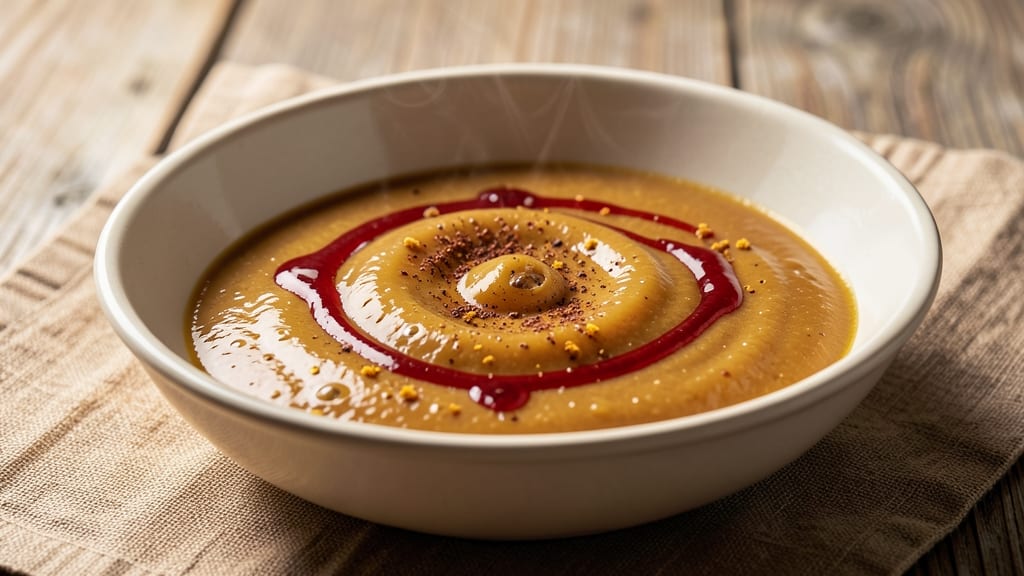
This American mustard sauce recipe delivers that signature tangy, bold kick that elevates burgers, hot dogs, and fries to new heights. The secret lies in balancing sharp yellow mustard with just enough sweetness and warmth from turmeric and paprika—creating a sauce that's versatile enough for dipping, glazing, or sandwich slathering.
I developed this recipe after years of testing store-bought versions that never quite hit the mark, and now it's become my go-to for adding restaurant-quality flavor at home.
The foundation of great mustard sauce is simplicity: mustard, vinegar, and a touch of sugar to mellow the sharpness, all blended into a smooth, velvety consistency.
What makes this recipe stand out is the careful balance of spices—turmeric for that classic golden hue, paprika for depth, and a pinch of cayenne for subtle heat. Unlike many commercial sauces, this one doesn't rely on artificial flavors, making it perfect for those who prefer clean, authentic taste.
What you'll end up with is a sauce that's bold enough to stand up to juicy burgers but smooth enough to drizzle over crispy fries. The tangy-sweet profile cuts through rich foods while adding a bright, appetizing finish.
Best of all, it keeps well in the refrigerator for up to two weeks, so you can make a big batch and have it ready whenever cravings strike.
For extra versatility, try swapping in Dijon mustard for a more complex flavor or adding a drizzle of honey for a sweeter variation. The possibilities are endless—whether you're using it as a dip, a glaze for grilled meats, or a sandwich spread. Here's everything you need to make it!
Ingredients for american mustard sauce
Eight simple ingredients create restaurant-quality mustard sauce that's tangy, bold, and ready in minutes.
| Ingredient | Amount | Notes |
|---|---|---|
| Yellow Mustard 🟡 | 1 cup | Sharp yellow preferred |
| Apple Cider Vinegar 🍎 | ½ cup | For tangy brightness |
| Granulated Sugar 🍬 | ¼ cup | Balances sharpness |
| Ground Turmeric 🌿 | 1 tsp | For classic golden hue |
| Smoked Paprika 🌶️ | 1 tsp | Adds warm depth |
| Cayenne Pepper 🔥 | ¼ tsp | Subtle heat adjustment |
| Salt 🧂 | ½ tsp | Diamond Crystal preferred |
| Water 💧 | ¼ cup | Adjusts consistency |
| Extra-Virgin Olive Oil 🫒 | 2 tbsp | For smooth texture |
The mustard is non-negotiable here—sharp yellow gives that classic American tang. French's or Hellmann's work perfectly, but avoid the smooth Dijon kind. Apple cider vinegar is key for that bright, clean acidity—Bragg or any organic brand from the salad bar section does the trick. For the sugar, I grab the white granulated from the bulk bin at Trader Joe's, but brown sugar works too if you're going for a caramel note. The spices? Penzeys for turmeric and paprika if you want to splurge, but the regular grocery store stuff is fine. Just make sure it's fresh—no dusty jars here.
No yellow mustard? Dijon mustard with a splash of lemon juice gets you close, though it'll be more complex. Short on vinegar? White wine vinegar or lemon juice works in a pinch, but the apple cider gives that signature tang. Want to skip the cayenne? Leave it out entirely—this sauce is still delicious without it. The olive oil is for that velvety finish, so extra-virgin is worth the extra buck. If you're making this for kids or sensitive eaters, reduce the cayenne to a pinch or swap for a pinch of sweet paprika instead. The water is just for thinning—add more if it's too thick, but trust me, this sauce comes together fast.
This sauce keeps like a dream—2 weeks in the fridge, sealed tight in a jar. I double the batch every time because it disappears fast. For serving, I like to transfer it to a small squeeze bottle—easy for dipping fries or slathering burgers. Freezes beautifully too if you want to make a big batch for holidays. Just give it a quick whisk after thawing to smooth out any separation. Pro tip: if it gets too thick after refrigerating, a splash of water or vinegar brings it right back.
Why You'll Love This Recipe
- Five-Ingredient Magic: I swear by this one—just mustard, vinegar, sugar, a pinch of turmeric, and smoked paprika. That’s it. No fancy gadgets, no measuring cups stressing me out, just stir and taste. Honestly, the first time I made it, I thought, "This can’t be right," but then the tangy-sweet balance hit, and I was hooked.
- Tangy-Sweet Obsession: Between us, that apple cider vinegar and sugar combo is chef’s kiss—bright, a little sweet, with just enough kick. The turmeric adds this warm, earthy depth, while the smoked paprika gives it that cozy, slightly smoky finish. It’s the kind of flavor that makes you want to drizzle it on everything (yes, even my avocado toast).
- Game for Any Meal: This sauce is my secret weapon for weeknight dinners—slather it on burgers, toss it with grilled chicken, or even mix it into sandwiches. I’ve even used it as a quick marinade for pork chops. It’s that kind of reliable, no-fuss sauce that works when you’re too tired to think.
- Leftovers? More Like Flavor Bank: Between us, I always make double. The stuff keeps in the fridge for weeks, and it only gets better as the flavors meld. Plus, it’s dirt cheap—you’re talking pennies per serving. No waste, no stress, just pure, delicious versatility waiting to happen.
Step-by-step instructions for American mustard sauce
Here's how to make this bold, tangy sauce that brings a perfect balance of heat and sweetness to every bite.
Whisk Together Wet Ingredients
In a medium saucepan, combine the 1 cup yellow mustard, 0.5 cup apple cider vinegar, and 0.25 cup granulated sugar. Stir over medium-low heat for 3-4 minutes until the sugar dissolves completely. You'll notice the mixture starts to bubble gently and develop a glossy sheen—this is when the flavors begin to meld. I like to keep the heat low here to prevent the vinegar from evaporating too quickly, which could make the sauce too sharp later.
While the mixture heats, add the 2 tablespoons extra-virgin olive oil and stir until fully incorporated. The oil will create a silky texture that balances the mustard's intensity. Keep whisking gently to avoid creating lumps—this sauce should be smooth and velvety by the time you're done with this step.
Add Spices and Simmer
Next, sprinkle in the 1 teaspoon ground turmeric, 1 teaspoon smoked paprika, 0.25 teaspoon cayenne pepper, and 0.5 teaspoon salt. Stir continuously for 1-2 minutes until the spices are fully dissolved and the mixture turns a vibrant golden color. The turmeric will give it that classic mustard hue, while the smoked paprika adds depth that pairs perfectly with burgers and fries.
Pour in the 0.25 cup water and increase the heat to medium. Let the sauce simmer for 5-7 minutes, stirring occasionally, until it thickens slightly but remains pourable. You're looking for a consistency where it coats the back of a spoon without being gluey—this is the perfect balance for dipping or drizzling. If it thickens too much, add 1 teaspoon water at a time until you reach the ideal texture.
Cool and Adjust Seasoning
Remove the saucepan from heat and let the sauce cool for 5 minutes. This resting period allows the flavors to settle and the spices to fully infuse. Taste a small spoonful and adjust the seasoning if needed—you might want to add a pinch more salt or a dash of cayenne pepper for extra kick. I often find that letting it sit for a few minutes brings out the best balance of tang, sweetness, and heat.
Once cooled, transfer the sauce to a clean jar or airtight container. The sauce will continue to thicken slightly as it cools completely, so give it a final stir before sealing. Store in the refrigerator for up to 2 weeks—it actually tastes better after a day or two as the flavors deepen. This sauce is perfect for burgers, fries, hot dogs, or even as a marinade for grilled meats.
Use and Enjoy
When ready to serve, give the sauce a quick whisk to restore its smooth texture. Drizzle over burgers, use as a dip for fries, or serve on the side for hot dogs. The bold tangy flavor pairs especially well with juicy beef patties or crispy golden fries. For extra richness, you can thin it slightly with a splash of apple cider vinegar if needed, but the current consistency works beautifully for most applications.
This sauce is incredibly versatile—use it as a condiment, a marinade, or even a glaze for grilled vegetables. The key to its success lies in the balance of ingredients and proper simmering time, so don't rush this step. The result is a mustard sauce that's far more complex than store-bought versions, with layers of flavor that will elevate any dish.
Pro Tips For Making American Mustard Sauce
- WHISK IT FAST: Dump all ingredients into a bowl and whisk aggressively for 30 seconds—don’t let the sugar settle. I used to stir lazily, and the sauce always ended up grainy. A quick, hard whisk breaks up the sugar and blends the mustard fully.
- USE REAL APPLE CIDER: Skip the cheap vinegar substitute—real apple cider vinegar adds depth. The tang cuts through the sweetness better, and it’s only a few bucks more. Trust me, your sauce will taste like it was made by someone who actually cares.
- SKIP THE TURMERIC IF: If your mustard already has a golden hue, skip the turmeric—it can turn the sauce weirdly yellow. I’ve ruined batches by overdoing it, and the flavor gets muddy. Taste first, then adjust.
- STORE IT RIGHT: Keep the sauce in a jar in the fridge, but give it a stir before using. The spices settle, and the vinegar can separate. A quick shake brings it back to perfect consistency—no need to remake it.
Best sauces and condiments for these flavors
Classic Burger Sauce
This is my go-to way to use this mustard sauce—perfect for juicy beef patties or crispy veggie burgers. Mix 2 tablespoons of the finished sauce with 1 tablespoon mayonnaise and 1 teaspoon Dijon mustard for a creamy, tangy spread.
The heat from the cayenne cuts through the richness of the burger, while the sweetness balances the smoky flavors of grilled meat. I like to add a pinch of garlic powder too for an extra kick. Serve it on top or between the buns for that classic diner-style experience. 🍔
Crispy Fries Dip
For fries, the sauce’s bold tang is a game-changer. Warm the sauce slightly (just 10-15 seconds in the microwave) and serve it in a small bowl alongside golden fries. The acidity cuts through the grease, making every bite cleaner and more flavorful.
For extra fun, drizzle a little extra sauce over the fries right before serving. If you want to get fancy, add a sprinkle of crushed potato chips or chopped chives on top for texture. 🍟
Grilled Meat Glaze
Brush this sauce on grilled chicken, pork chops, or even steak during the last 5 minutes of cooking for a sticky, flavorful glaze. The vinegar helps caramelize the meat, while the turmeric adds a gorgeous golden finish.
For chicken, I like to mix 1 tablespoon honey into the sauce before brushing—it creates a perfect balance of sweet and tangy. The heat from the grill intensifies the flavors, making it a showstopper for summer BBQs. 🔥
Hot Dog Topper
Skip the ketchup and mustard combo and go all-in with this sauce. Warm 2 tablespoons of the sauce and drizzle it over your hot dog, then top with crispy onions and a dollop of sauerkraut.
The tangy-sweet profile elevates the classic ballpark experience, and the cayenne adds just enough heat to keep things interesting. For a smoky twist, add a pinch of smoked salt to the sauce before serving. 🌭
Sandwich Spread
Use this sauce as a bold alternative to mayo or ketchup in sandwiches. Mix 1 tablespoon of the sauce with 1 tablespoon Greek yogurt for a lighter, creamier spread that still packs a punch.
It works amazingly well in Reuben sandwiches (with corned beef and sauerkraut) or grilled cheese with tomato soup. The acidity cuts through the cheese, making every bite more vibrant. 🥪
Marinade Magic
This sauce doubles as a marinade for tofu, chicken, or shrimp. Combine ½ cup of the sauce with 1 tablespoon soy sauce and 1 teaspoon grated ginger for an Asian-inspired twist. Let the protein marinate for 30 minutes (tofu) or 1-2 hours (chicken/shrimp) before grilling or pan-searing.
The mustard tenderizes the meat while adding layers of flavor that stick to every bite. 🍗
Nutrition facts
Frequently asked questions
Can I make this mustard sauce without vinegar?
The vinegar is essential for that signature tangy brightness, but you can substitute with lemon juice or white wine vinegar in equal amounts. For a milder flavor, use apple juice instead, though the sauce will be sweeter. The acidity helps balance the mustard's sharpness, so don't skip it entirely unless you're okay with a less traditional taste.
How do I adjust the heat level?
Start with the ¼ teaspoon cayenne pepper as written, then taste and adjust. For milder heat, reduce to ⅛ teaspoon or swap for ½ teaspoon sweet paprika. For extra spice, add up to ½ teaspoon cayenne—just remember it intensifies as the sauce cools. Always add spices gradually!
Can I use Dijon mustard instead of yellow?
Yes! For a more complex flavor, replace the yellow mustard with Dijon mustard and add 1 teaspoon lemon juice to compensate for the lower acidity. The sauce will have a deeper, slightly earthy note that pairs beautifully with grilled meats. Just reduce the sugar to ¼ cup since Dijon is less sweet.
Why did my sauce separate?
This often happens if the mustard and oil aren't fully emulsified. Whisk vigorously while heating, then add 1 teaspoon olive oil at a time until smooth. For a quick fix, blend the cooled sauce for 10 seconds to restore its velvety texture. Always store it in an airtight container to prevent future separation.
What's the best way to reheat leftover sauce?
Gently warm it in a small saucepan over low heat for 1-2 minutes, stirring constantly, until just heated through. Microwaving can make it too thin—never boil it, as this can break the emulsion. For dipping, a 10-second microwave zap works best while keeping the texture intact.