
Sauces & Condiments
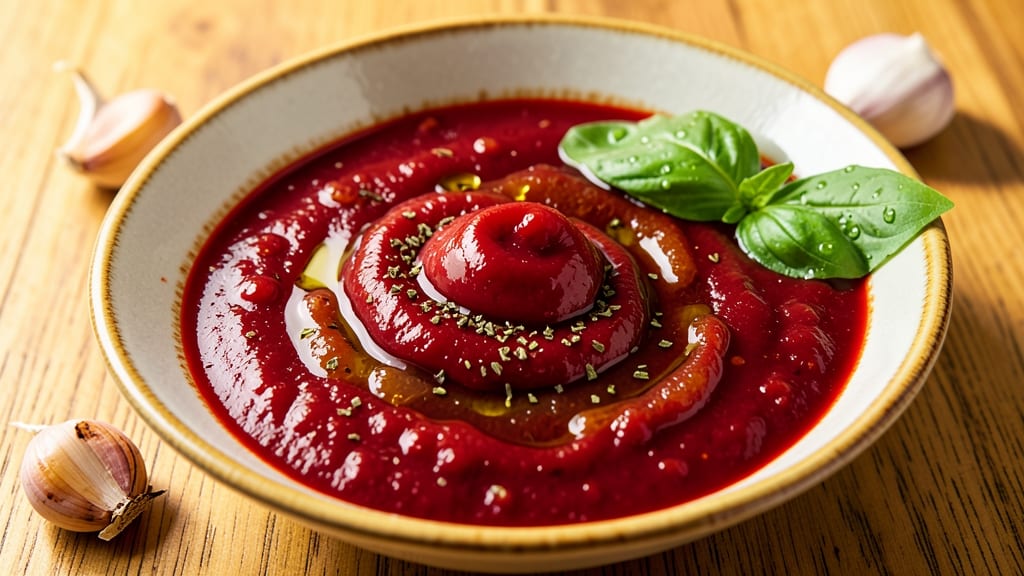
This all-day tomato sauce recipe transforms simple ingredients into a rich, umami-packed sauce that only gets better with time. The secret lies in slow simmering—letting flavors meld and deepen over hours, creating a sauce that's perfect for pasta, grilled meats, or dipping.
I developed this recipe after years of testing, and it never fails to deliver restaurant-quality results at home.
The beauty of this sauce is its versatility—use it fresh or let it sit for days as the flavors intensify. Aromatics like garlic and onions form the base, while tomatoes and herbs build layers of complexity.
The key technique? Simmering uncovered to reduce the sauce gradually, concentrating flavors without burning. This method ensures a smooth, velvety texture that coats every bite.
What you’ll end up with is a sauce that’s rich, slightly sweet, and deeply savory—ideal for tossing with al dente pasta, drizzling over grilled chicken, or serving as a dip for crusty bread.
The longer it sits, the more complex the flavors become, making it perfect for meal prep. This isn’t just a sauce; it’s a flavor foundation for your favorite dishes.
Whether you’re feeding a crowd or prepping for the week, this sauce delivers consistent, professional results. The ingredients are simple, but the technique elevates them to something extraordinary. Let’s get started—your taste buds will thank you.
Ingredients for all day tomato sauce
Simple pantry staples that build layers of umami through slow simmering time.
| Ingredient | Amount | Notes |
|---|---|---|
| Extra-Virgin Olive Oil 🫒 | ½ cup | High quality, fruity variety |
| Yellow Onion 🧅 | 2 whole | Medium-sized, finely chopped |
| Garlic Cloves 🧄 | 6 cloves | Fresh, minced for depth |
| Canned San Marzano Tomatoes 🍅 | 28 oz | Crushed or whole, no salt added |
| Tomato Paste 🍅 | ½ cup | Smooth, not chunky |
| Dried Oregano 🌿 | 1 tbsp | Crumbled between fingers |
| Dried Basil 🌿 | 1 tbsp | Mild, not sweetened |
| Red Wine 🍷 | ½ cup | Bold, dry variety |
| Beef Broth 🍲 | 1 cup | Low-sodium preferred |
| Sea Salt 🧂 | 1 ½ tsp | Diamond Crystal preferred |
| Fresh Basil Leaves 🌿 | ¼ cup | For finishing, torn |
| Black Peppercorns 🌶️ | ½ tsp | Freshly cracked |
The tomatoes are the foundation—San Marzano is ideal for its natural sweetness and low acidity, but any high-quality canned tomatoes work. Trader Joe's or Whole Foods often carry them, and they're worth seeking out. For the garlic, fresh is non-negotiable—dried lacks the depth this sauce needs. The olive oil should be extra-virgin, with a fruity aroma that'll carry through the simmer. If you're using a squeeze tube of tomato paste, Trader Joe's makes a convenient no-mess option that lasts months. The red wine adds complexity, so Cabernet Sauvignon or Merlot are solid choices—whatever's open in your fridge will work too.
No red wine? Substitute with an extra 0.5 cup of beef broth—it'll still develop depth, just with a different profile. Fresh basil is ideal, but dried works at one-third the amount if you're in a pinch. The oregano and basil should be crumbled between fingers to release their oils fully. For the onions, yellow or red both work, but yellow has a slightly sweeter flavor. If you're short on time, pre-chopped frozen onions thawed and drained will save steps without sacrificing quality. The beef broth can be swapped for vegetable broth for a vegetarian version, though the umami will be slightly different.
This sauce only gets better with time—3-5 days in the fridge is ideal as flavors meld. For longer storage, freeze in ice cube trays for single portions or in airtight containers for up to 6 months. When reheating, low heat is key—simmer gently to avoid skin forming. I always make a double batch—one for immediate use and one to develop in the fridge for future meals. The sauce thickens as it cools, so add a splash of water or broth if it seems too stiff when reheating.
Why You'll Love This Recipe
- Foolproof Simplicity: I swear by this recipe because it’s the kind of dish that doesn’t demand perfection—just patience. Sauté onions in olive oil until they’re soft, add garlic, then stir in tomato paste and San Marzanos. Walk away for hours (or overnight), and you’ll come back to a sauce so rich, it feels like a hug from your nonna.
- Umami Bomb: That San Marzano paste? It’s the secret weapon. The slow simmer lets the natural sweetness of the tomatoes caramelize while the garlic deepens into something almost nutty. Honestly, the first time I tasted this, I grabbed another bowl—no shame.
- Weeknight Hero: Between us, this sauce is my go-to for pasta, pizza, or even scrambled eggs. Make a big batch on Sunday, and you’ve got dinner covered for days. My kids beg for it on Tuesdays, and I don’t even have to plan ahead—just reheat and serve.
- Budget Magic: A single can of tomatoes and a jar of paste stretch into meals for the whole family. No fancy ingredients, no wasted leftovers—just pure, reliable flavor. I’ll be real: this is how I feed my crew without breaking the bank, and no one complains.
Step-by-step instructions for slow-simmered tomato sauce
Here's how to build rich, layered flavor through slow cooking and proper technique.
Sauté Onions Until Translucent and Sweet
Heat the 0.5 cup extra-virgin olive oil in a heavy-bottomed pot over medium-low heat. Add the 2 whole yellow onion, chopped into ¼-inch dice, and cook for 10-12 minutes until completely soft and golden brown at the edges. You're looking for a sweet, caramelized aroma—not crispy, just deeply softened.
I stir occasionally to prevent burning, but don't rush this step. The onions should release their moisture and reduce to about ½ their original volume. If they darken too quickly, reduce the heat slightly. This foundational cooking transforms the onions from sharp to sweet, forming the sauce's flavor base.
Add Garlic and Tomato Paste for Depth
Push the onions to one side of the pot and add the 6 minced garlic cloves to the empty space. Cook for 30 seconds until fragrant—garlic burns in seconds, so watch closely. Stir well to distribute, then add the 0.5 cup tomato paste and 1.5 tsp sea salt.
Cook for another 2 minutes while stirring constantly to prevent sticking. The paste will darken slightly, deepening the sauce's umami foundation. This step creates the "fond" that forms the backbone of your sauce. Don't skip the stirring—uneven cooking here will result in a finished sauce with inconsistent texture.
Deglaze with Wine and Simmer the Tomatoes
Pour in the 0.5 cup red wine and scrape up any browned bits from the bottom of the pot with a wooden spoon. This deglazing captures all the concentrated flavors you've built so far. Let the wine reduce by half—about 3-4 minutes—until it's nearly evaporated.
Add the 28 oz canned San Marzano tomatoes (crushed by hand if whole) and 1 cup beef broth. Bring to a gentle simmer, then reduce heat to low. Partially cover the pot and let it cook for 45 minutes, stirring occasionally. The sauce should thicken gradually and develop a glossy sheen.
Season and Simmer for Maximum Flavor
After 45 minutes, stir in the 1 tbsp dried oregano, 1 tbsp dried basil, and 0.5 tsp cracked black peppercorns. Continue simmering uncovered for another 30-45 minutes until the sauce reduces to your desired consistency. You're aiming for a thick, velvety texture that coats the back of a spoon.
Taste and adjust seasoning—this is where you'll likely need to add more salt, as the tomatoes vary in saltiness. The sauce should be rich but not overpowering, with balanced acidity from the tomatoes and depth from the wine and broth. The longer it simmers, the more complex the flavors become.
Finish with Fresh Basil and Rest
Remove from heat and stir in the 0.25 cup fresh basil leaves, torn by hand. Let the sauce sit for 10 minutes before serving—this resting period allows the flavors to meld completely. The basil will infuse the sauce with bright, fresh notes that cut through the richness.
For best results, use the sauce within 3-4 days for peak freshness, though it will keep in the refrigerator for up to 1 week. The longer it sits, the deeper the flavors develop, making this an ideal make-ahead sauce for busy weeks.
Pro Tips For Making All Day Tomato Sauce
- CRUSH THE ONIONS FIRST: I learned this the hard way—chopping onions after heating the oil means they’ll steam instead of caramelize. Get them finely diced and let them sit in the pot for 5 minutes on medium-low heat, stirring occasionally, until they’re soft and golden. This builds flavor before the garlic even hits the pan.
- STIR THE PASTE: Skip the spoon and use a wooden spatula to smear that tomato paste into the oil. Press it into the bottom of the pot so it doesn’t clump or burn. After 2 minutes, it’ll turn a deep amber color—this is your flavor base, so don’t rush it.
- DON’T DUMP THE TOMATOES: Pouring San Marzano tomatoes straight from the can into the pot will dilute the sauce and make it watery. Instead, crush them by hand (or use a wooden spoon) to break up the pulp while keeping the juices separate. Add the crushed tomatoes first, then the juices later if you need more liquid.
- LOW AND SLOW IS NON-NEGOTIABLE: After adding the tomatoes, drop the heat to the lowest setting you can tolerate. I’m talking simmer, not bubble. This isn’t a race—let it cook for at least 2 hours, stirring occasionally. The longer it cooks, the deeper the flavor, and the less likely it is to taste canned. (Yes, even if you’re impatient like me.)
Best sauces and condiments for this all day tomato sauce
Pasta Perfection
This sauce is a game-changer for pasta dishes—its rich, velvety texture clings beautifully to al dente noodles. I recommend tossing it with bronze-cut spaghetti or pappardelle for maximum surface area.
For extra indulgence, finish with grated Pecorino Romano and a crack of black pepper. The sauce's natural sweetness balances the sharpness of the cheese perfectly. 🍝
Grilled Meat Glaze
Use this sauce as a marinade or finishing glaze for grilled meats like chicken thighs or ribeye steak. Brush it on during the last 5 minutes of cooking to create a caramelized crust.
The red wine and umami-rich tomato paste add depth that pairs exceptionally well with charred grill marks. For pork, add 1 tsp smoked paprika to the sauce before applying. 🔥
Dipping Sauce
Thin the sauce slightly with warm water or broth for a perfect dipping sauce. Serve with crusty bread, garlic knots, or vegetable sticks like carrots and celery.
The acidity from the tomatoes cuts through the richness of fried foods beautifully. For a spicy kick, stir in ½ tsp red pepper flakes before serving. 🥖
Pizza Base
Spread this sauce thinly over pre-baked pizza dough before adding toppings. The slow-simmered depth enhances flavors like mozzarella, pepperoni, and fresh basil. For a white pizza twist, mix in ¼ cup ricotta cheese with the sauce before spreading. The sauce's natural sweetness balances salty toppings perfectly. 🍕
Breakfast Twist
Use this sauce as a breakfast hash base with crispy potatoes, fried eggs, and crumbled sausage. The umami richness pairs surprisingly well with morning flavors. For a brunch spread, mix with Greek yogurt and serve with toasted baguette slices. It's a flavorful way to start the day! ☕
Storage Hacks
For best results, store in airtight glass containers in the fridge for up to 5 days. Freeze in ice cube trays for single-serving portions or 1-cup portions in silicone molds.
When reheating, add 1-2 tbsp water or broth to prevent thickening. The sauce actually improves with time, developing deeper flavors as it rests. ❄️
Nutrition facts
Frequently asked questions
Can I make this sauce without red wine?
Replace the 0.5 cup red wine with an extra 0.5 cup beef broth or vegetable broth for a vegetarian version. The sauce will still develop rich, umami flavors—just with a slightly different depth. For extra complexity, add 1 tsp balsamic vinegar to mimic the wine's acidity.
How do I adjust the thickness of the sauce?
If your sauce is too thick, thin it with 1-2 tablespoons warm water or broth while reheating. For a thicker consistency, simmer uncovered for 10-15 extra minutes to reduce further. The sauce naturally thickens as it cools, so adjust before serving. Stirring occasionally while simmering prevents sticking and helps control thickness.
What's the best way to store leftover sauce?
Store in airtight glass containers in the fridge for up to 5 days—it actually tastes better as flavors meld! For longer storage, freeze in ice cube trays or 1-cup portions for easy use. When reheating, add 1-2 tbsp water or broth to prevent thickening. The sauce keeps well for 3 months frozen.
Can I add meat to this sauce?
Yes! Brown 1 pound Italian sausage or ground beef first, then add to the sauce during the 45-minute simmering step. For chicken, poach 1 cup shredded rotisserie chicken in the sauce for 10 minutes before serving. The meat adds protein and heartiness while absorbing the sauce's rich flavors.
Why does my sauce taste bland?
Blandness usually means the sauce needs more salt or acid. Add ½ tsp more sea salt or a splash of lemon juice or red wine vinegar to brighten flavors. If using low-sodium broth, add 1 tsp extra salt at the end. Taste as you go—this sauce should be rich but balanced. The longer it simmers, the more concentrated the flavors become!