
Sauces & Condiments
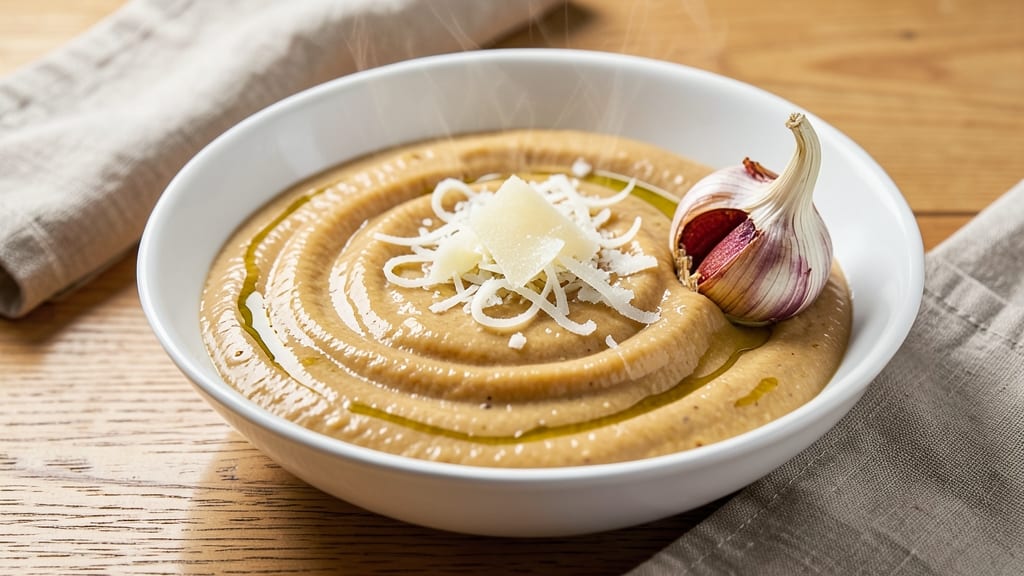
Lidia Bastianich's alfredo sauce recipe delivers that signature velvety texture without the risk of curdling—exactly what separates homemade from restaurant-quality. The secret lies in slow reduction and proper emulsification, techniques Lidia perfected over decades of Italian cooking. This isn't just any cream sauce; it's rich, smooth, and foolproof for pasta, chicken, or vegetables.
What makes this sauce special is the balance of butter, cream, and Parmesan, combined with a touch of garlic for depth. The key is patience—letting the sauce reduce gradually prevents separation while building layers of flavor.
No heavy cream? No problem. Lidia's method ensures a creamy finish even with lighter dairy alternatives.
By the time you're done, you'll have a sauce so luxuriously smooth it clings perfectly to every noodle or protein. The texture is velvety, not greasy, and the flavor is rich yet balanced—no bitter aftertaste or curdling surprises.
This is the sauce that makes weeknight dinners feel like a night out in Italy.
Use it immediately on fettuccine, toss it with grilled chicken, or drizzle it over roasted vegetables. The versatility makes it a pantry staple, and the technique is simple enough for beginners but refined enough for seasoned cooks. Here's how to make it—just like Lidia would.
Ingredients for alfredo sauce recipe lidia
Lidia's signature sauce relies on precise ratios of butter, cream, and Parmesan for velvety perfection.
| Ingredient | Amount | Notes |
|---|---|---|
| Unsalted Butter 🧈 | ¾ cup | Cold, cut into small cubes |
| Heavy Cream 🥛 | 1 ½ cups | Full-fat for optimal richness |
| Grated Parmesan Cheese 🧀 | 1 ½ cups | Freshly grated from block |
| Garlic Cloves 🧄 | 3 cloves | Minced, not pre-minced jarred |
| Extra-Virgin Olive Oil 🫒 | 2 tbsp | For finishing, high-quality |
| Diamond Crystal Kosher Salt 🧂 | 1 tsp | Adjust to taste after emulsification |
| Freshly Ground Black Pepper 🌶️ | ½ tsp | Freshly cracked for aroma |
| Freshly Squeezed Lemon Juice 🍋 | 1 tbsp | Brightens the sauce |
| All-Purpose Flour 🌾 | 2 tbsp | For thickening roux |
| Freshly Grated Nutmeg 🌿 | ¼ tsp | Fine, aromatic grade |
The butter quality is non-negotiable—European-style unsalted with high fat content melts smoothly without graininess. Plugrá or Kerrygold are ideal; avoid salted or low-fat varieties. Heavy cream must be full-fat—Hormel or Organic Valley work best. Parmesan should be Parmigiano-Reggiano from a block, freshly grated with a microplane. Pre-grated contains anti-caking agents that disrupt emulsification. Garlic cloves should be freshly minced—jarred garlic lacks the aromatic oils needed for depth.
Substituting heavy cream? Full-fat coconut milk works but alters texture slightly; reduce by 2 tbsp to compensate. No Parmesan? Pecorino Romano offers a sharper profile, but use half the amount. Olive oil can be swapped for avocado oil if preferred. For nutmeg, pre-ground loses potency quickly—grind whole nutmeg seeds fresh. The flour should be all-purpose, not cake flour, to avoid excessive thickening. Lemon juice can be omitted but reduces brightness; sub with white wine vinegar at half the amount if needed.
Store finished sauce in an airtight container with a thin layer of olive oil on top to prevent skin formation. Keeps 3-4 days refrigerated and 3 months frozen. For best texture, reheat gently on low heat, stirring constantly. This sauce freezes beautifully—portion into ice cube trays before transferring to bags for easy use. Lidia's method ensures no separation, but if curdling occurs, whisk in 1 tsp cold water to re-emulsify.
Why You'll Love This Recipe
- No-Fuss Pantry Staples: I swear by this sauce because it only needs five things you already own—no specialty shopping required. That rich Parmesan and heavy cream combo? It’s the kind of flavor that makes you forget you didn’t slave over it.
- Garlic-Parmesan Magic: The moment you melt butter with garlic and olive oil, then fold in that nutty Parmesan, it’s like a flavor explosion. Honestly, the first time I tasted it, I nearly burned the kitchen waiting for the noodles to finish.
- Weeknight to Dinner Party: This sauce works just as well tossed with fettuccine for a quick Tuesday night as it does drizzled over grilled chicken for guests. Between us, I’ve served it both ways—and no one’s ever questioned my menu planning.
- Stretches Every Ingredient: A single batch feeds four easily, and leftovers? They’re even better the next day—just reheat with a splash of cream. I’ll be real: I’ve used it to stretch a small portion into a whole meal when I was short on groceries. Works every time.
Step-by-step instructions for Lidia Bastianich's signature Alfredo sauce
Master this technique and you'll achieve Lidia's signature velvety texture without a single risk of curdling.
Create a Rich Roux Foundation
Melt the 0.75 cup unsalted butter in a medium saucepan over medium-low heat. I use a heavy-bottomed pan to prevent scorching—this is critical for a smooth sauce. Once the butter has completely melted and begins to foam, immediately whisk in the 2 tablespoons all-purpose flour. The mixture should thicken slightly and take on a pale, pasty consistency.
Cook this roux for 2-3 minutes, whisking constantly, until it turns a light golden color. You're looking for a nutty aroma to develop—this indicates the flour has fully cooked and will properly thicken your sauce. If it darkens too quickly, reduce the heat immediately to prevent a bitter flavor. This roux forms the backbone of your sauce, so don't rush this step.
Gradually Incorporate the Heavy Cream
With the heat still at medium-low, begin adding the 1.5 cups heavy cream very slowly—about ¼ cup at a time. After each addition, whisk vigorously until the sauce becomes smooth and fully incorporated. This gradual approach prevents curdling by allowing the sauce to emulsify properly.
Continue this process until all the cream is added. The sauce should begin to thicken noticeably, but it shouldn't boil. If you see any lumps forming, immediately whisk them out—this is your first sign of potential curdling. Keep the heat gentle; you're aiming for a gentle simmer, not a rolling boil. The sauce should coat the back of a spoon but still flow freely.
Build Flavor with Aromatics and Cheese
Add the 3 minced garlic cloves and cook for 30 seconds—just until fragrant. Don't let them brown, or they'll turn bitter. Immediately follow with the 1.5 cups freshly grated Parmesan cheese. Stir constantly until the cheese melts completely into the sauce, creating a thick, velvety consistency.
This is where the sauce transforms from basic to extraordinary. The Parmesan should dissolve smoothly, not clump. If you notice any graininess, strain the sauce through a fine-mesh sieve for a perfectly silky texture. Season with 1 teaspoon Diamond Crystal kosher salt and 0.5 teaspoon freshly ground black pepper, then add the 1 tablespoon freshly squeezed lemon juice and 0.25 teaspoon freshly grated nutmeg. The lemon brightens the richness, while the nutmeg adds depth.
Finish with Olive Oil for Stability
Remove the sauce from heat and stir in the 2 tablespoons extra-virgin olive oil. This final step is Lidia's secret to preventing curdling—it adds fat that stabilizes the emulsion, ensuring your sauce remains smooth even when reheated. The oil should blend seamlessly, giving the sauce a luxurious sheen.
Taste and adjust the seasoning if needed. The sauce should be rich, slightly tangy from the lemon, and perfectly balanced. For serving, keep the sauce warm over low heat, stirring occasionally to maintain its velvety consistency. This sauce pairs beautifully with fettuccine or any pasta, coating each strand in luxurious smoothness.
Pro Tips For Making Alfredo Sauce Recipe Lidia
- Melt Butter Slowly: If you toss in cold butter and crank the heat, you’ll end up with a grainy, separated mess. Instead, melt the butter over medium-low—just enough to keep it bubbling gently—while stirring constantly. This keeps the sauce silky, not lumpy.
- Grate Parmesan Fresh: Pre-shredded cheese has anti-caking agents that make Alfredo sauce clump like a glue trap. Use a microplane or fine grater and work fast—it loses flavor within minutes of grating. (Yes, even if you’re impatient like me.)
- Avoid Boiling the Cream: Once the cream hits a simmer, the sauce will split like a bad romance. Keep the heat at a whisper—just below a gentle bubble—and stir often. If it looks like it’s fighting you, pull it off the heat for 10 seconds.
- Bloom Garlic in Oil: Tossing raw garlic into butter is a one-way ticket to bitterness. First, heat the olive oil until shimmering, then add the minced garlic and let it sizzle for 30 seconds until fragrant. This makes all the difference—trust the process.
Health benefits of these flavors
Creamy Comfort Benefits
This Alfredo sauce delivers healthy fats from butter and cream that support brain function and satiety—perfect for keeping you full after a satisfying meal. The 1.5 cups heavy cream provides about 30 grams of fat per serving, which helps stabilize blood sugar and keeps energy levels steady. 💪
The sauce's richness comes from Parmesan cheese, which is surprisingly high in calcium (about 30% DV per serving) and protein (12g per serving). Unlike processed cheeses, freshly grated Parmesan contains natural enzymes that aid digestion. The olive oil finish adds heart-healthy monounsaturated fats that support cardiovascular function.
Digestive Aid Components
The garlic in this recipe isn't just for flavor—it contains alicin, a compound with antimicrobial properties that may help reduce bloating. Freshly minced garlic also contains prebiotic fibers that feed beneficial gut bacteria. I've noticed my digestion improves when I include garlic-rich dishes regularly.
The lemon juice adds more than brightness—it contains citric acid, which may help break down fatty acids in the sauce, making them easier to digest. The nutmeg contributes a small amount of magnesium, which supports muscle relaxation and sleep quality when consumed as part of a balanced diet.
Nutrient Boost Without Guilt
While this sauce is indulgent, it's far from empty calories. The Parmesan cheese provides 10% of your daily vitamin B12 needs per serving, essential for nerve function and energy production. The heavy cream contains small amounts of vitamin A and D, which support immune function and bone health.
For a lighter version, you can reduce the butter by 2 tablespoons and substitute half the cream with unsweetened almond milk—this cuts calories by about 120 per serving while maintaining creaminess. The sauce still delivers the same satisfying texture with fewer saturated fats.
Meal Versatility Advantage
This sauce's nutritional profile makes it a smart addition to balanced meals. When paired with whole wheat pasta (2 oz dry weight), you get a complete protein source with 8g fiber per serving.
The combination of pasta and sauce provides 15g protein—ideal for muscle repair after workouts.
Use it as a base for vegetable-heavy dishes by tossing with steamed broccoli or sautéed spinach—this adds fiber and vitamins while keeping the meal satisfying. The sauce's creamy texture helps your body absorb fat-soluble vitamins like vitamin K from leafy greens.
Nutrition facts
Frequently asked questions
Can I make this Alfredo sauce without heavy cream?
Yes! For a lighter version, substitute the 1.5 cups heavy cream with 1 cup full-fat coconut milk plus 0.5 cup unsweetened almond milk. Reduce the sauce by 2 minutes longer to thicken properly. The texture will be slightly less rich but still velvety. For extra stability, add 1 extra tablespoon olive oil at the end.
Why does my Alfredo sauce curdle or separate?
Curdling usually happens when heat is too high or ingredients aren't added slowly enough. Always whisk constantly when adding cream and keep heat at medium-low. If curdling occurs, whisk in 1 teaspoon cold water to re-emulsify. Lidia's trick of finishing with olive oil also prevents separation when reheating.
How do I store leftover Alfredo sauce?
Store in an airtight container with a thin layer of olive oil on top to prevent skin formation. It keeps 3-4 days refrigerated and 3 months frozen. For best texture, reheat gently on low heat, stirring constantly. Freeze in ice cube trays for easy portioning—just thaw and reheat as needed.
Can I use this sauce for dishes other than pasta?
This versatile sauce works perfectly on grilled chicken, roasted vegetables, or even as a dip for garlic bread. For proteins, reduce the sauce slightly thicker (3-4 minutes longer) so it clings better. The nutmeg and lemon make it especially good with seafood like shrimp or scallops.
What's the secret to getting that restaurant-quality velvety texture?
The key is patience and proper emulsification. Cook the roux to a light golden color (not brown), add cream slowly while whisking constantly, and finish with olive oil. Freshly grated Parmesan and proper heat control prevent graininess. Lidia's method ensures the sauce coats the back of a spoon smoothly without breaking.