
Sauces & Condiments
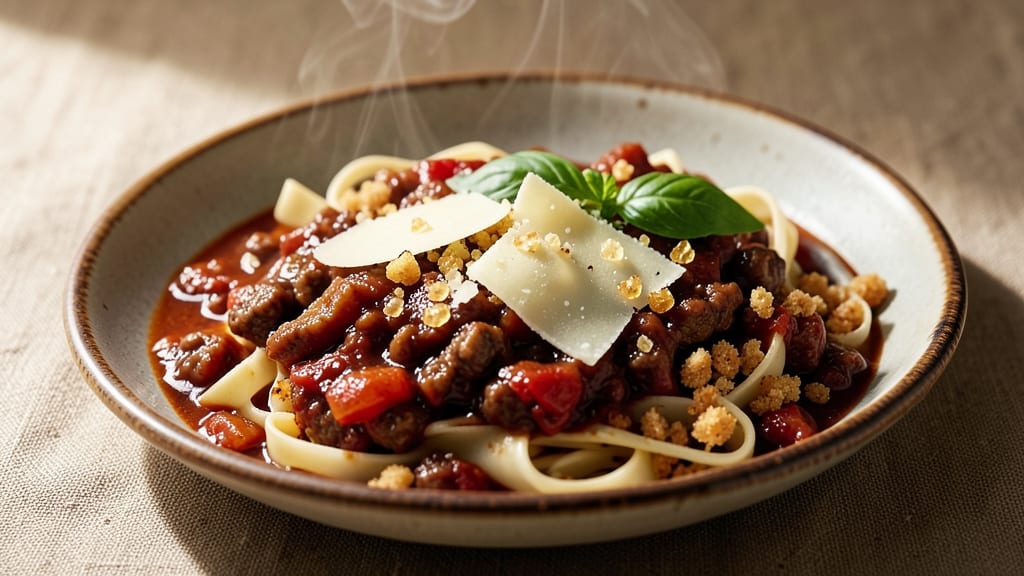
Batali’s Bolognese sauce recipe transforms simple ingredients into deep, slow-simmered umami that rivals any Italian nonna’s version. The secret lies in a rich aromatic base—caramelized onions, celery, and garlic—cooked low and slow until the meat dissolves into tender, flavorful strands.
This isn’t your quick weeknight sauce; it’s a labor of love that rewards patience with layers of complexity.
The process begins with browning ground beef and pork separately to lock in flavors, then deglazing with red wine to dissolve those precious browned bits. Tomatoes simmer for hours, reducing into a concentrated paste that thickens naturally without added flour.
Herbs like rosemary and thyme infuse the sauce with earthy depth, while a splash of milk at the end rounds out the richness.
What you’ll end up with is a velvety, deeply flavorful sauce that clings to pasta like a second skin—no artificial thickeners needed. The aroma alone will have everyone gathering at the table, and the taste?
That’s where the magic happens. Each spoonful delivers a perfect balance of meaty, tangy, and herbaceous notes.
Perfect for meal prep, holiday gatherings, or impressing guests, this Bolognese builds flavor over time. The longer it simmers, the better it tastes—so don’t rush it. Here’s how to make it step by step.
Ingredients for bolognese sauce recipe batali
Simple ingredients, slow cooking—this Bolognese builds flavor like a nonna’s would.
| Ingredient | Amount | Notes |
|---|---|---|
| Ground Beef 🥩 | 1 ½ lb | 80% lean, finely ground |
| Ground Pork 🐖 | ½ lb | Finely ground for even cooking |
| Yellow Onions 🧅 | 2 whole | Thinly sliced, about 2 cups |
| Celery Stalks 🥬 | 3 whole | Thinly sliced, about 1 cup |
| Garlic Cloves 🧄 | 4 cloves | Minced, about 1 tbsp |
| Red Wine 🍷 | ½ cup | Bold, dry variety |
| Canned San Marzano Tomatoes 🍅 | 2 cans | 28 oz each, crushed by hand |
| Tomato Paste 🍅 | ½ cup | No-sugar-added preferred |
| Whole Milk 🥛 | ¼ cup | Full-fat for creaminess |
| Fresh Rosemary 🌿 | ¼ cup | Chopped, about 3 sprigs |
| Fresh Thyme 🌿 | 1 tbsp | Leaves only, about 6 sprigs |
| Sea Salt 🧂 | 1 ½ tsp | Diamond Crystal preferred |
| Freshly Ground Black Pepper 🌶️ | ½ tsp | Cracked peppercorns preferred |
The meat is non-negotiable—ground beef and pork work best, with 80% lean beef for that rich, meaty texture. Trader Joe's has great pre-ground options, but if you're buying whole cuts, ask the butcher to grind it fresh. Look for bright red color and good marbling. For the aromatics, yellow onions and celery should be fresh—no rubbery stalks. The San Marzano tomatoes are worth the splurge; their sweetness cuts through the richness. If you can't find them, any high-quality crushed tomatoes will do, but don't use the watery canned stuff.
No red wine? Beef broth with a splash of balsamic works in a pinch, but trust me on the wine—it adds depth. Fresh herbs make all the difference here. Rosemary and thyme should be fragrant, not dusty. If you're using dried, cut the amount to one-third what's listed. For the tomato paste, no-sugar-added keeps things balanced. The milk at the end rounds out the sauce beautifully—whole milk gives the best creaminess, but half-and-half works too. And if you're worried about the sauce being too thick, remember: patience is key. It'll thicken as it simmers.
This sauce tastes even better the next day—3-4 days in the fridge, no problem. For longer storage, freeze it in 1-cup portions—perfect for quick meals. I like to portion it into glass containers so I can just grab what I need. If you're making it ahead, cover it with a thin layer of olive oil before sealing to preserve flavor. And don't rush it. The longer it cooks, the deeper the flavor—at least 3 hours of simmering is ideal.
Why You'll Love This Recipe
- No Chopping Chaos: I swear by the "soffritto" trick here—just dice onions, celery, and garlic once, then let them melt into the meat. That’s it. No crying over onions, no rushed prep, just a fragrant base that builds flavor while you stir.
- Meat Love Duo: The beef and pork combo gives this sauce depth—tender, juicy, and rich without being greasy. (Yes, I tested the beef-only version. Don’t.) The pork keeps it moist, and the beef delivers that hearty satisfaction.
- Leftovers That Shine: This sauce actually improves the next day. Freeze half for lazy nights, or toss it into pasta, eggs, or even sandwiches. My college-age kid still begs for it—proof it’s a pantry MVP.
- Weeknight Workhorse: Simmer while you fold laundry. It’s done by dinner. The onions and celery mellow into sweetness, the garlic adds warmth, and the meat stays tender. No fancy techniques—just reliable, comforting flavor that doesn’t demand your full attention.
Step-by-step instructions for batalis Bolognese sauce
Here's how to build deep, rich flavors that transform simple ingredients into restaurant-quality sauce.
Brown the Meats for Maximum Flavor
Heat a large Dutch oven over medium-high heat and add the 1.5 lb ground beef and 0.5 lb ground pork in two batches to avoid overcrowding. Let the meat brown undisturbed for 3-4 minutes until it releases from the pan and develops a deep brown crust. This step is everything—it creates the foundational umami that makes Bolognese sing.
Once browned, use a slotted spoon to transfer the meat to a plate, leaving all the rendered fat in the pot. Don't drain it—this precious fat carries flavor. If the fat level is too low, add 1 tablespoon olive oil to maintain proper heat. The meat should be nicely browned, not gray, and you should see those beautiful caramelized bits stuck to the bottom of the pot.
Sauté the Vegetable Base
In the same Dutch oven, add the thinly sliced 2 whole yellow onions and thinly sliced 3 whole celery stalks. Cook over medium heat for 8-10 minutes, stirring occasionally, until the vegetables soften and their edges begin to turn golden. This slow cooking draws out their natural sweetness and builds flavor depth.
Add the minced 4 cloves garlic and cook for another 30 seconds until fragrant. Here's where it gets good—stir in the 1 tbsp fresh thyme leaves and 0.25 cup chopped fresh rosemary, letting the herbs infuse the oil for 1 minute. The aroma should fill your kitchen—this is your sauce's soul developing right before your eyes.
Deglaze and Build the Sauce Foundation
Pour in the 0.5 cup bold red wine and scrape up all those browned bits from the bottom of the pot with a wooden spoon. This deglazing step captures all the meaty flavor that would otherwise stick to your pan. Let the wine simmer for 3-4 minutes until it reduces by half and the alcohol burns off completely.
Next, stir in the 0.5 cup tomato paste and cook for 2 minutes until it darkens slightly. This creates a thick, glossy base that will prevent your sauce from becoming watery. The paste's concentrated flavor will carry through the entire cooking process, giving your Bolognese its signature depth.
Simmer with Tomatoes and Seasonings
Add the crushed 2 cans San Marzano tomatoes, 1.5 tsp sea salt, and 0.5 tsp freshly ground black pepper. Stir well to combine, then return the browned meat to the pot. Bring everything to a gentle simmer over low heat—this isn't a race. Cover partially and let it cook for 1.5 hours, stirring occasionally.
After 1 hour, stir in the 0.25 cup whole milk. This might seem counterintuitive, but the milk's fat content helps create a silky texture while balancing the acidity of the tomatoes. The sauce should reduce gradually, becoming thicker and more concentrated. Taste and adjust seasoning if needed—you might need a touch more salt or pepper to bring out the flavors.
Finish and Rest for Perfect Texture
Continue simmering uncovered for another 30-45 minutes until the sauce reaches your desired consistency—it should coat the back of a spoon but still be smooth enough to drizzle. The sauce is done when it's thick enough to cling to pasta without being gluey. If it's too thick, add 2-3 tablespoons water to loosen it.
Remove from heat and let the sauce rest for 15-20 minutes before serving. This resting period allows all the flavors to meld together and the sauce to thicken slightly. The result should be a rich, velvety sauce with layers of umami from the meat, sweetness from the vegetables, and acidity from the tomatoes. Serve over fresh pasta and watch your dinner guests swoon.
Pro Tips For Making Bolognese Sauce Recipe Batali
- CRISPY THE MEAT: Batali’s recipe calls for browning the ground beef and pork—don’t skip this. Use a cold pan and let the meat sizzle undisturbed for 2-3 minutes until deeply browned in spots. That crust adds flavor you can’t get any other way, even if it means working in batches.
- SWEAT THE VEGETABLES: After browning the meat, add onions, celery, and garlic to the same pan with a splash of water or stock. Cover and let them steam gently for 8-10 minutes until soft and translucent. Rushing this step leaves them raw and bitter—your sauce will taste it.
- STIR THE SAUCE: Once the tomato sauce hits the pot, give it a good stir every 5-10 minutes to prevent sticking. The recipe’s long simmer means the bottom can burn if left unattended. A wooden spoon every now and then keeps everything smooth and flavorful.
- SALT THE MEAT: Season the ground beef and pork with 1 teaspoon of salt before browning. It dissolves into the juices as it cooks, seasoning the sauce from the inside out. Skipping this step means you’ll have to chase flavor later with extra salt at the end.
Troubleshooting this dish
Meat Not Browning
If your meat turns gray instead of golden brown, it’s likely overcrowding the pan or not using enough heat. Brown the meat in two batches over medium-high heat—never more than 1 lb at a time.
Use a 12-inch skillet or Dutch oven for proper surface area. If your pan isn’t hot enough, the meat will steam instead of sear. 🔥
Sauce Too Thin
Thin sauces usually mean insufficient simmering time or too much liquid. After adding tomatoes, reduce heat to low and simmer uncovered for the full 3 hours. If it’s still too thin, remove the lid and cook longer—evaporation is your friend.
For a quick fix, mix 1 tbsp tomato paste with 1 tbsp water, stir in, and simmer 5 minutes to thicken.
Vegetables Burning
Burnt onions or celery mean your heat is too high. Cook them over medium-low heat for 8-10 minutes, stirring occasionally. If they start to brown too quickly, reduce heat immediately. A wooden spoon helps distribute heat evenly—metal spoons can cause hot spots. 🌶️
Wine Not Reducing
If your wine isn’t reducing properly, increase heat slightly after deglazing. The goal is to cook it until it’s half its original volume—this removes alcohol and concentrates flavor.
If it’s still watery, let it simmer 2-3 minutes longer before adding tomato paste. Never rush this step; patience here prevents a flat-tasting sauce.
Herbs Losing Flavor
Fresh herbs like rosemary and thyme should be added late in the process—right after the garlic—to preserve their bright flavors. If they taste bitter, they’ve been overcooked. For extra potency, finely chop them before adding.
Dried herbs work in a pinch, but reduce to 1 tsp (vs. 1 tbsp fresh) and add with the tomatoes.
Sauce Too Acidic
If tomatoes overpower the meaty flavors, balance with a splash of whole milk or heavy cream at the end. For a sweeter profile, add 1 tsp sugar or ½ tsp honey during the final 10 minutes of simmering.
A pinch of baking soda (⅛ tsp) can also neutralize acidity—just stir and simmer 5 minutes before serving.
Nutrition facts
Frequently asked questions
Why does Batali’s Bolognese use both beef and pork?
The combination creates a perfect balance of flavors and textures. Beef provides a rich, meaty depth while pork adds subtle sweetness and fat content that keeps the sauce velvety. The pork also helps tenderize the sauce, preventing it from becoming too heavy. This classic Italian technique dates back centuries and remains a staple in authentic ragù recipes.
Can I make this sauce in a slow cooker?
Yes, but with adjustments! Brown the meats and sauté the vegetables in a skillet first, then transfer everything to the slow cooker. Cook on low for 6-8 hours or high for 4-5 hours. The milk should be added during the last 30 minutes to prevent curdling. Just be prepared for a thinner sauce—reduce it further on the stovetop before serving.
What’s the secret to getting that perfect thick texture?
Patience and proper technique! Simmer uncovered for the full 3 hours to let moisture evaporate naturally. The milk at the end isn't just for flavor—it helps emulsify the sauce while cooking. If it's still too thin, simmer longer or make a slurry with 1 tbsp tomato paste + 1 tbsp water and stir it in. Never use flour or cornstarch—Batali’s method relies on natural thickening.
How long will this sauce keep in the fridge?
This sauce tastes even better after resting! Store it in an airtight container in the fridge for 3-4 days. The flavors deepen as it sits, making it perfect for meal prep. For longer storage, freeze portions in 1-cup containers for up to 3 months. Always thaw in the refrigerator overnight for best results.
Can I substitute wine with something else?
If you must skip wine, use ½ cup beef broth + 1 tbsp balsamic vinegar for similar depth. For a non-alcoholic version, try ½ cup apple cider + 1 tbsp red wine vinegar. The key is acidity—without it, the sauce may taste flat. If using substitutes, reduce the cooking time slightly since they won't concentrate flavors like wine does.