
Sauces & Condiments
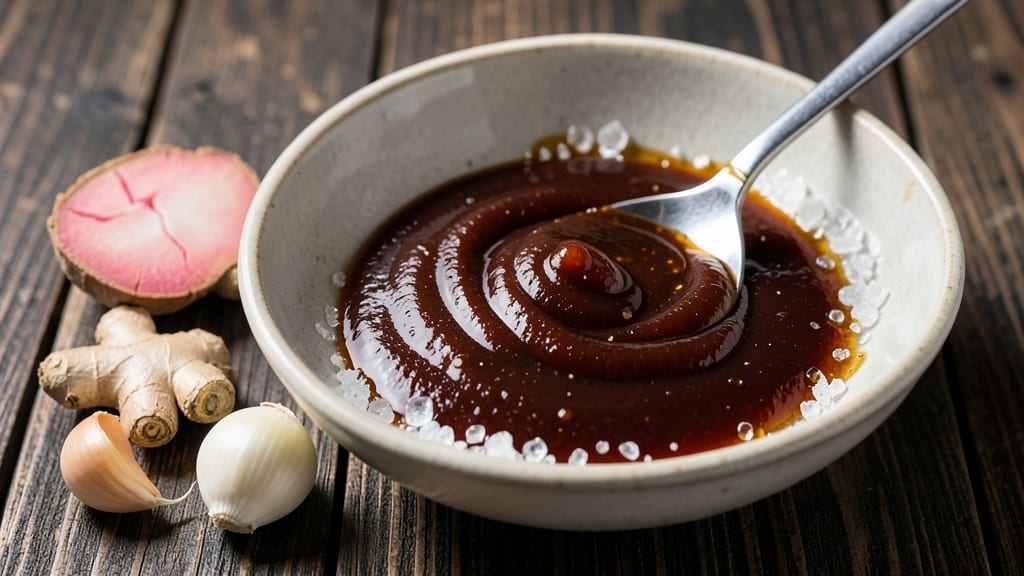
This Bachman's Japanese BBQ sauce recipe transforms your grill into a smoky-sweet powerhouse with just 10 minutes of simmering. 💛 The secret lies in balancing deep umami from soy and mirin with bright ginger and caramelized sugar—a flavor profile that elevates everything from ribs to skewers.
I've perfected this version after years of adapting restaurant techniques for home cooks, ensuring that rich, smoky-sweet depth comes through every time.
The foundation starts with a simple blend of soy sauce, mirin, and sake, reduced until syrupy while adding sugar for caramelization. Fresh ginger and garlic join the simmer, infusing warmth that cuts through the sauce's richness.
What sets this apart is the touch of honey at the end—just enough to balance the acidity and create that signature sticky-sweet finish that makes it irresistible.
What you'll end up with is a sauce that's bold enough for competition-style ribs but versatile enough for quick weeknight grilling. The aroma alone will draw everyone to the grill, and the first taste delivers that perfect harmony of smoky, sweet, and tangy.
This isn't just a sauce—it's the kind of flavor that transforms ordinary meals into something special.
Store it in the fridge for up to two weeks or freeze for months, making it the perfect pantry staple for any grilling occasion. Whether you're cooking for a crowd or treating yourself to a solo dinner, this sauce delivers restaurant-quality flavor with minimal effort. Let's get started!
Ingredients for bachman's japanese bbq sauce
Ten simple ingredients that pack restaurant-style umami punch for your grill.
| Ingredient | Amount | Notes |
|---|---|---|
| Kosher Soy Sauce 🥫 | ½ cup | High-sodium preferred for depth |
| Mirin 🍶 | ¼ cup | Sweet rice wine, not cooking wine |
| Dry Sake 🍶 | ¼ cup | Unsweetened variety preferred |
| Granulated Sugar 🍚 | ½ cup | Light brown sugar works too |
| Fresh Ginger 🧄 | 2 tbsp | Finely grated, not powdered |
| Garlic Cloves 🧄 | 4 cloves | Minced, not powdered |
| Honey 🍯 | 1 tbsp | Wildflower preferred for depth |
| Extra-Virgin Olive Oil 🫒 | 1 tbsp | For glossy finish |
| Sesame Oil 🌰 | 1 tsp | Toasted sesame preferred |
| Diamond Crystal Kosher Salt 🧂 | ½ tsp | Adjust to taste |
The soy sauce is your flavor anchor—Kikkoman or La Choy are solid choices, but anything with bold umami works. Mirin and sake add that signature sweetness and depth, so don't skimp on quality (the good stuff, not the cheap cooking wine substitute). I always grab mirin from Trader Joe's—it's sweet enough to balance the soy without overpowering. Fresh ginger and garlic are non-negotiable here; powdered just won't cut it. For the sugar, light brown adds subtle caramel notes, but regular granulated works in a pinch. The honey at the end? Wildflower or clover gives the best depth—skip the cheap grocery store brands.
No mirin? Substitute 1 tbsp sugar plus 1 tbsp rice vinegar—it won't be identical, but it'll work. Fresh ginger too strong? Use 1 tbsp powdered ginger plus 1 tsp extra sugar to mellow it out. Running low on sesame oil? Toast 1 tsp sesame seeds in a dry pan and grind them into the sauce at the end. The olive oil is just for shine—if you're watching calories, use 1 tsp instead. And if you're making a big batch, double everything and store extras in ice cube trays for easy single-use portions.
This sauce keeps like a dream—2 weeks refrigerated or 6 months frozen. I always make a double batch and freeze half immediately. For freezing, use airtight containers or silicone molds. Thaw overnight in the fridge or warm directly in a saucepan over low heat. The longer it sits, the deeper the flavors get—perfect for ribs that need overnight marinating. If it thickens too much, just add a splash of water or sake to loosen it up.
Why You'll Love This Recipe
- Here’s what sold me: the sugar and mirin caramelize just enough to balance the salty soy, while the sake adds this subtle, almost smoky sweetness. Slather it on grilled chicken or toss it with noodles, and suddenly everything tastes like a late-night ramen shop.
- Pantry Powerhouse: I swear by this sauce because it uses stuff I already have—no special trips to the store. The kosher soy, mirin, and sake blend so effortlessly, I’ve made it while waiting for water to boil. That fresh ginger? One quick grating, and boom—depth without fuss.
- Umami Bomb: Here’s what sold me: the sugar and mirin caramelize just enough to balance the salty soy, while the sake adds this subtle, almost smoky sweetness. Slather it on grilled chicken or toss it with noodles, and suddenly everything tastes like a late-night ramen shop.
- Weeknight Magic: Between us, this is my go-to for lazy Tuesdays or last-minute dinner guests. It’s the secret weapon behind my "I’ll cook something" moments—drizzled over stir-fries, baked salmon, or even scrambled eggs. (Yes, even on a Tuesday night.)
Step-by-step instructions for bachman's Japanese BBQ sauce
This sauce delivers that perfect balance of smoky, sweet, and zesty—let's make it together.
🍳 Step 1: Bloom the Aromatics in Olive Oil
Heat a small saucepan over medium-low heat and add the 1 tablespoon extra-virgin olive oil. Once the oil is shimmering (about 30 seconds), add the 4 minced garlic cloves and 2 tablespoons finely grated fresh ginger. Cook for 2-3 minutes until the garlic is fragrant and the ginger turns slightly translucent.
Here's the thing—don't let the garlic brown or it'll turn bitter. You want that sweet, aromatic punch without any burnt notes. If you see it starting to darken, immediately reduce the heat to low and stir constantly. This step builds the flavor foundation for the entire sauce.
🍳 Step 2: Combine Liquids and Sugar
Pour in the 0.5 cup kosher soy sauce, 0.25 cup mirin, 0.25 cup dry sake, and 0.5 cup granulated sugar. Stir well to dissolve the sugar completely—you should hear it sizzle as it hits the hot pan. Bring the mixture to a gentle simmer over medium heat, then reduce to low and let it cook uncovered for 10-12 minutes.
Watch for the sauce to thicken slightly and reduce by about 25%. You'll know it's ready when it coats the back of a spoon with a glossy sheen. If it starts to stick or bubble too vigorously, reduce the heat slightly. This reduction step develops the sauce's signature caramelized depth and balances the sweetness with umami.
🍳 Step 3: Add Honey and Final Touches
Remove the pan from heat and stir in the 1 tablespoon honey and 1 teaspoon toasted sesame oil. The honey will create a beautiful sheen and add another layer of complexity. Return the pan to low heat and let the sauce simmer gently for another 2-3 minutes, just until the honey is fully incorporated.
Taste and adjust the seasoning with the 0.5 teaspoon diamond crystal kosher salt if needed. Here's where it gets fun—you can tweak the balance between sweet and salty to your preference. For extra depth, add a splash of water (about 1 tablespoon) to loosen the sauce slightly if it's too thick.
⏰ Step 4: Rest and Finish
Transfer the sauce to a clean jar or bowl and let it cool to room temperature. This resting period allows all the flavors to meld together beautifully. If you can't wait, that's okay—just give it 10 minutes before using it. The sauce will thicken slightly as it cools, so you can thin it with a splash of water if needed.
Once cooled, give it one final taste. The sauce should be perfectly balanced—sweet from the sugar and honey, umami-rich from the soy and sake, with a bright ginger zing and nutty sesame finish. Store any leftovers in an airtight container in the refrigerator for up to 2 weeks. This sauce is amazing on everything from grilled meats to roasted vegetables!
Pro Tips For Making Bachman'S Japanese Bbq Sauce
- SIMMER LOW AND SLOW: This sauce isn’t a race—after combining everything, reduce it on medium-low heat for at least 15 minutes. I used to blast it on high and end up with a clumpy, half-cooked mess. Let it bubble gently and thicken naturally; the flavors meld better when you’re not rushing.
- GRATE GINGER FINE: Skip the big chunks—this sauce relies on ginger’s bright, aromatic punch. Use a microplane or the smallest holes on a grater, then let it sit in the sauce for 5 minutes before straining. I learned this the hard way when my first batch tasted dull and underseasoned.
- USE COLD SAKE: Add the dry sake after the sauce has simmered for 10 minutes—never at the start. Cold sake can shock the heat and make the sauce separate. Let it warm gradually, or you’ll end up with a thin, watery glaze instead of a rich, syrupy sauce.
- SWEETEN GRADUALLY: Stir in the sugar in two additions, tasting between each. The first batch might taste bland—wait 5 minutes, then add the rest. I used to dump it all in at once and end up with a cloyingly sweet sauce. Balance is key; you want caramel depth, not candy.
Regional styles of this bachman's japanese bbq sauce
Kansai-Style Adaptation
The Kansai region of Japan is famous for its bold, hearty flavors, and this sauce translates beautifully with a few tweaks. Add 1 tablespoon of grated daikon radish to the ginger and garlic bloom for an extra layer of earthy sweetness.
Use 1 tablespoon of miso paste (white or red) instead of half the soy sauce—this adds deep umami that Kansai cooks love. Simmer the sauce slightly longer (15 minutes) to let the miso fully meld. 🌱
Okinawan Fusion Twist
Okinawan cuisine brings tropical brightness to this sauce. Swap the honey for 1 tablespoon of pineapple juice (fresh or canned) and add ½ teaspoon of grated fresh turmeric to the ginger bloom. The turmeric adds a subtle golden hue and earthy warmth, while the pineapple balances the soy's saltiness.
Finish with ½ teaspoon of toasted black sesame oil instead of regular sesame oil for a nutty depth. This version works perfectly on grilled mahi-mahi or pineapple skewers.
Modern Japanese BBQ Sauce
For a contemporary take, blend 1 tablespoon of gochujang (Korean chili paste) into the finished sauce—this adds a smoky-spicy kick that pairs wonderfully with modern Japanese grilling techniques. Use 1 tablespoon of rice vinegar instead of half the sake to brighten the flavor profile.
This version is ideal for glazing grilled chicken thighs or drizzling over seared scallops. The gochujang brings heat without overpowering the delicate umami base.
Hawaiian-Inspired Version
Channel the flavors of Hawaii by adding 1 tablespoon of macadamia nut butter (melted) to the sauce—this creates a rich, creamy texture with a subtle sweetness. Swap the sesame oil for ½ teaspoon of toasted coconut oil and finish with ½ teaspoon of grated fresh lime zest.
This tropical twist works beautifully on grilled teriyaki beef or pineapple-glazed pork chops. The macadamia nut butter adds a luxurious mouthfeel that elevates the sauce to gourmet status.
Smoky Grill Master's Upgrade
For a sauce that screams "grill master," add ½ teaspoon of smoked paprika to the ginger bloom and finish with 1 teaspoon of liquid smoke (just before removing from heat). This version is perfect for competition-style ribs or smoked brisket.
The liquid smoke enhances the caramelized depth, while the paprika adds a subtle smokiness that ties into the grilling theme. Store any extra in a glass jar with a tight-sealing lid to preserve the smoky aroma.
Vegetarian-Friendly Option
Skip the honey and use 1 tablespoon of maple syrup instead—this keeps the sauce vegan while maintaining the sweetness. Replace the sake with ¼ cup of dry white wine (like Sauvignon Blanc) and add 1 teaspoon of nutritional yeast** for a cheesy umami note.
This version is fantastic for brushing onto portobello mushrooms or grilled tofu. The wine adds acidity that brightens the soy, making it more versatile for vegetarian dishes.
Nutrition facts
Frequently asked questions
Can I substitute mirin if I don't have any?
Yes! For every 1 tablespoon of mirin, mix 1 teaspoon sugar with 1 teaspoon rice vinegar. This won't be identical but will give you the same sweet-tangy balance. The sugar mimics mirin's sweetness while the vinegar adds acidity that cuts through the soy's richness.
How do I adjust the sweetness or saltiness?
Start with small adjustments—add ½ teaspoon more sugar for sweetness or ¼ teaspoon extra salt for saltiness. Taste after each addition since the sauce will thicken as it cools. For a more complex flavor, try adding ½ teaspoon grated orange zest instead of extra sugar for brightness.
Can I make this sauce in a slow cooker?
Combine all ingredients in your slow cooker and cook on low for 2-3 hours, stirring occasionally. The gentle heat will create the same caramelized depth. Just watch the sauce level—it'll reduce more slowly than on the stove. For extra richness, add 1 tablespoon of butter at the end.
What's the best way to use this sauce on grilled meats?
For ribs or pork shoulder, brush on during the last 10-15 minutes of cooking when the meat reaches 195°F internal temp. For chicken or fish, apply during the final 5 minutes of grilling. The high heat will create a beautiful caramelized crust. Pro tip: Save 1 tablespoon of sauce to mix with 1 teaspoon cornstarch and brush on last for extra gloss.
Why did my sauce turn out too thin?
This usually happens from not reducing long enough or using too much liquid. Next time, simmer uncovered for 15-20 minutes total and stir frequently. If it's still too thin, mix 1 teaspoon cornstarch with 1 tablespoon water, stir into the sauce, and simmer 2 more minutes. For extra thickness, add ½ teaspoon arrowroot powder instead.