
Sauces & Condiments
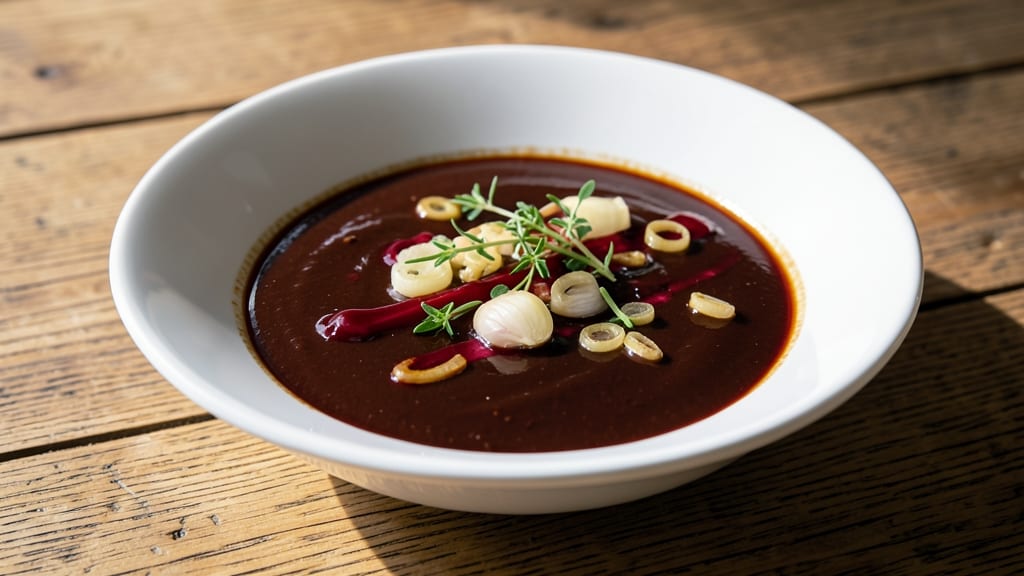
This au jus sauce recipe delivers restaurant-quality depth without relying on meat drippings—just rich beef stock, bold aromatics, and a quick pan deglaze. I developed this method after realizing most recipes either require raw drippings or taste flat without them.
The secret lies in building flavor through layered aromatics and careful reduction, creating a sauce that's intensely savory with just a touch of acidity to brighten.
What makes this sauce special is its versatility and simplicity. With just 10 minutes of active prep and 15 minutes of simmering, you'll transform basic pantry ingredients into a velvety sauce that clings perfectly to roasted beef, steak, or even grilled vegetables.
The combination of shallots, garlic, and thyme creates a complex, caramelized base, while red wine adds depth and vinegar prevents heaviness.
Once reduced to perfection, this sauce strains into silky smoothness with a deep, pan-roasted intensity—no drippings needed. It keeps beautifully in the fridge for up to 5 days or freezes for 3 months, making it ideal for meal prep.
The best part? It elevates any protein dish, turning simple roasts into showstopping meals with minimal effort.
For maximum flavor, don't skip the deglazing step—those browned bits are where the magic happens. Serve it warm over sliced roast beef or use it to baste steaks during cooking. This is the kind of sauce that makes weeknight dinners feel special without the fuss.
Ingredients for au jus sauce recipe without drippings
Restaurant-quality depth starts with these ten essential ingredients—rich beef stock, aromatic shallots, and bold wine.
| Ingredient | Amount | Notes |
|---|---|---|
| Beef Stock 🥩 | 4 cups | High-quality, homemade preferred |
| Shallots 🧅 | ½ cup | Finely minced, 4-5 medium |
| Garlic Cloves 🧄 | 4 cloves | Peeled, thinly sliced |
| Fresh Thyme Leaves 🌿 | ¼ cup | Stems removed, packed |
| Dry Red Wine 🍷 | ½ cup | Bold Cabernet or Merlot |
| Apple Cider Vinegar 🍎 | 1 tbsp | For brightness |
| Unsalted Butter 🧈 | 2 tbsp | Cold, for finishing |
| Diamond Crystal Kosher Salt 🧂 | 1 ½ tsp | Adjust to taste |
| Black Peppercorns 🌶️ | ½ tsp | Freshly cracked |
| Vegetable Oil 🫒 | 1 tbsp | For deglazing |
The beef stock is non-negotiable here—homemade or high-end store-bought makes all the difference. Kitchen Basics or Pacific Foods brands are reliable if you're not making your own. Shallots should be fresh, with vibrant purple skins—avoid any that feel soft or sprouting. The garlic cloves need to be plump and firm; those tiny, shriveled ones won't deliver the same punch. Fresh thyme is ideal, but if you're using dried, reduce to one-third the amount. For the wine, any bold, dry red works here—Cabernet Sauvignon or Merlot are classic choices, but whatever's open in your fridge will do just fine. The apple cider vinegar adds that critical brightness, so don't skip it.
No red wine? Dry sherry or additional beef stock works in a pinch, though the flavor profile shifts slightly. Fresh thyme unavailable? Dried thyme at one-third the quantity maintains the earthy notes. The shallots can be swapped for yellow onion, though they'll add a slightly sharper bite. For a deeper umami punch, add 1 tsp soy sauce to the finished sauce. The butter at the end is crucial—it emulsifies the sauce and adds richness, so don't substitute with oil. If you're concerned about dairy, vegan butter works perfectly here.
This sauce keeps beautifully in the fridge for up to 5 days, though it tastes best within the first 2-3 days. For longer storage, freeze in ice cube trays—thaw and reheat gently for perfect consistency. The sauce thickens as it cools, so add a splash of stock if it seems too stiff when reheating. Portion into small containers for easy meal prep. Once opened, use within 3 months for best flavor. The caramelized bits from the deglazing step are where the magic happens—don't rush this part, even if it adds a few minutes to your prep time.
Why You'll Love This Recipe
- No Drippings, No Stress: I swear by this version—no straining, no waiting for meat to render. Just chop shallots, crush garlic, and let the wine and thyme work their magic in the stock. It’s the kind of sauce that doesn’t demand perfection, just a few minutes of your time.
- Wine-Kissed Depth: That splash of dry red wine? It’s the secret weapon. The acidity cuts through the richness of the beef stock while the thyme adds this earthy warmth. Honestly, it’s the kind of flavor that makes you pause mid-bite—like a little restaurant-quality moment at home.
- Weeknight to Dinner Party: I make this for everything—dipping roasted potatoes, tossing with mashed potatoes, or drizzling over grilled steak. Even better? It’s ready in 20 minutes, so it’s my go-to when I’m feeding a crowd or just craving something that feels special without the fuss.
- Budget-Friendly Luxury: Beef stock and wine sound fancy, but they’re actually my wallet’s best friend. A little goes a long way, and leftovers? They’re even better the next day—perfect for reheating with a splash of water or using as a base for another meal. No waste, all flavor.
Step-by-step instructions for pan-roasted au jus sauce
This method delivers restaurant-quality depth without relying on meat drippings.
Sauté Shallots and Garlic Until Golden
Heat the 1 tablespoon vegetable oil in a heavy-bottomed saucepan over medium heat. Add the 0.5 cup finely minced shallots and cook for 5-6 minutes until completely softened and beginning to caramelize at the edges. You'll notice the shallots release moisture first, then gradually turn translucent.
Add the 4 cloves thinly sliced garlic and cook for another 30 seconds until fragrant. Garlic burns quickly, so keep a close eye on it—it should smell sweet and nutty, not bitter. Remove the pan from heat temporarily and set aside for the next step.
Deglaze with Wine and Vinegar
Return the pan to medium heat and pour in the 0.5 cup dry red wine, scraping up any browned bits from the bottom with a wooden spoon. These flavorful fond deposits are called suquet, and they're essential for building depth in the sauce. Let the wine simmer for 3-4 minutes until reduced by half.
Add the 1 tablespoon apple cider vinegar and 0.25 cup fresh thyme leaves, stirring to combine. The vinegar brightens the sauce while the thyme adds aromatic complexity. Simmer for another 2 minutes until the thyme leaves are just beginning to wilt—this ensures their flavor infuses without becoming bitter.
Build the Sauce with Stock and Seasonings
Pour in the 4 cups beef stock and bring to a gentle simmer. Add the 1.5 teaspoons Diamond Crystal kosher salt and 0.5 teaspoon freshly cracked black peppercorns, stirring to dissolve the salt completely. The sauce should bubble gently but not boil vigorously—this prevents skimming and ensures even flavor distribution.
Simmer uncovered for 15-20 minutes until the sauce reduces by about one-third and coats the back of a spoon. You'll notice the sauce darkens slightly as it reduces, developing a rich, glossy appearance. Taste and adjust seasoning if needed—this is your chance to balance acidity and saltiness before finishing.
Finish with Butter for Emulsion
Reduce heat to low and remove the thyme leaves, using a slotted spoon if necessary. Add the 2 tablespoons cold unsalted butter, cut into small pieces, and whisk vigorously until fully incorporated. The butter should melt into a smooth emulsion, giving the sauce a velvety texture and subtle richness.
Strain the sauce through a fine-mesh sieve into a clean saucepan if you prefer a completely smooth finish, or leave it slightly textured for added depth. Keep warm over low heat until ready to serve, stirring occasionally to prevent skin formation. This sauce pairs beautifully with roasted meats or as a dipping sauce for crusty bread.
Pro Tips For Making Au Jus Sauce Recipe Without Drippings
- Sweat Shallots Low: I learned this the hard way—sautéing shallots on high heat turns them bitter before they even soften. Keep the heat at a gentle simmer, covered, and stir every 30 seconds. You’ll know they’re done when they’re translucent and smell like caramelized heaven, not burnt onions.
- Deglaze with Wine First: Pour that red wine in before adding stock—this isn’t just a fancy step, it’s flavor insurance. The alcohol burns off faster on its own, leaving behind deeper, richer notes that’ll make your stock taste like it simmered all day. (Yes, even if you’re impatient like me.)
- Strain Twice for Clarity: Skip the strainer once and you’ll end up with a sauce that looks like it’s hiding thyme stems. First strain through a fine-mesh sieve, then pour through a cheesecloth-lined colander. It takes 30 seconds but guarantees a silky finish—no one will guess you didn’t slave over it.
- Salt the Stock Early: Add half the salt to the stock before it even hits the pan. This lets the flavors meld while the wine reduces, and you’ll need to adjust less later. (Pro move: Taste the stock cold first—it’s the only way to judge seasoning accurately.)
Wine and beer pairings for this au jus sauce recipe without drippings
Red Wine Pairings
This au jus sauce's deep, caramelized flavors and subtle acidity make it a perfect match for bold red wines. I always reach for a Cabernet Sauvignon from Napa Valley—its dark fruit notes and tannins complement the sauce's richness beautifully.
The Merlot from Washington State is another fantastic choice, offering softer tannins that won't overpower the delicate thyme and shallot undertones. 🍷
For a lighter option, try a Pinot Noir from Oregon—its bright acidity cuts through the sauce's richness while enhancing the wine's earthy notes. If you prefer Italian wines, a Chianti Classico with its cherry and herbaceous flavors creates a harmonious pairing that feels like a restaurant-quality meal at home.
Beer Pairings
A malty amber ale like Allagash Amber from Maine brings out the caramelized depth of the sauce while its subtle sweetness balances the acidity. The beer's spiced notes also echo the thyme in the recipe, creating a cohesive flavor profile.
For craft beer lovers, a Belgian-style dubbel with its rich, caramel malt and hints of dark fruit works exceptionally well. 🍺
If you prefer lagers, a German Märzen offers a crisp contrast that refreshes your palate between bites. The beer's malty backbone stands up to the sauce's intensity without competing.
For a local option, check out your neighborhood brewery's seasonal red ale—these often have just the right balance of sweetness and bitterness to complement the dish.
Non-Alcoholic Options
For those skipping alcohol, a sparkling cranberry juice with a splash of lime creates a festive, tangy alternative that mirrors the sauce's acidity. The bubbles also cleanse your palate between bites.
I've also had great success with ginger beer—its spicy kick enhances the thyme and shallot flavors in the sauce. 🍹
Herbal teas like hibiscus iced tea provide a refreshing contrast to the rich sauce. The tartness of the tea balances the umami depth, while the floral notes complement the thyme.
For a more substantial option, try a smoked black tea like Lapsang Souchong—its smoky aroma pairs surprisingly well with the caramelized shallots.
Nutrition facts
Frequently asked questions
Can I make this au jus sauce vegetarian?
Replace the beef stock with 4 cups mushroom or vegetable stock, swap the red wine for dry sherry or additional stock, and add 1 tsp soy sauce or 1 tbsp balsamic vinegar for umami depth. The caramelized shallots and thyme will still deliver rich flavor, just with a plant-based twist.
What's the best way to reheat this sauce?
Gently reheat over low heat on the stove, stirring frequently to prevent scorching. If it thickens too much, add 1-2 tbsp stock or water to restore consistency. For microwave reheating, use 30-second intervals on low power, stirring between each. Never boil—this can make the sauce separate.
Can I make this sauce ahead of time?
Yes! This sauce actually tastes better the next day as flavors meld. Store in an airtight container in the fridge for up to 5 days. For longer storage, freeze in ice cube trays—thaw and reheat gently. The sauce thickens when chilled, so add a splash of stock when reheating.
Why did my sauce turn cloudy or separate?
This usually happens from too much stirring or not enough butter at the end. For a smooth finish, strain through a fine-mesh sieve before adding butter. If it separates, whisk in 1 tbsp cold butter or a splash of stock to re-emulsify. Always finish with butter—it's the secret to that velvety texture!
What's the difference between this and traditional au jus?
Traditional au jus relies on meat drippings for richness, while this version builds flavor through caramelized aromatics, wine reduction, and careful stock reduction. The result is a more consistent sauce that works even without meat, with deeper aromatic complexity from the shallots and thyme.