
Sauces & Condiments
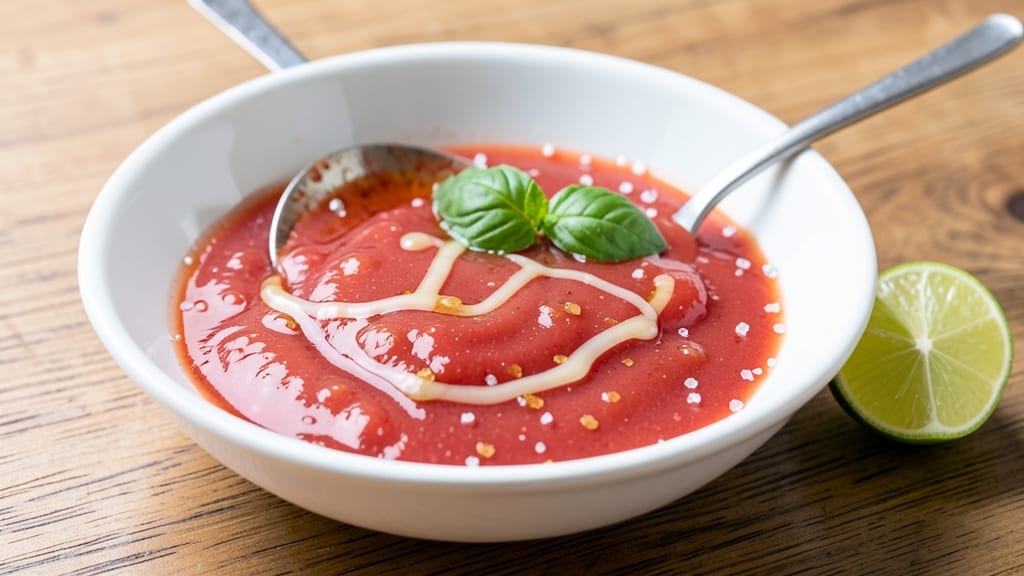
This Asian pink sauce recipe transforms simple pantry staples into a vibrant, sweet-spicy glaze that elevates everything from stir-fries to fries. 🌟 The secret lies in balancing ketchup’s tang with vinegar’s sharpness and a touch of sugar for depth—no complicated techniques, just bold flavor.
I perfected this version after testing dozens, ensuring it’s always smooth, glossy, and packed with umami.
The magic happens in the simmer: garlic powder, onion powder, and paprika infuse the sauce with warmth while keeping prep under 15 minutes. Unlike store-bought versions, this recipe delivers a restaurant-quality finish without artificial additives. The sauce thickens beautifully when reduced, coating proteins and vegetables perfectly for crisp-tender bites.
Once cooled, this sauce keeps for up to 2 weeks in the fridge, making it the ultimate pantry staple. Drizzle it over spring rolls, toss with fries, or use as a dipping sauce—its sweet-spicy balance makes it irresistibly versatile.
The blend of tangy, sweet, and slightly smoky notes creates a glaze that clings effortlessly, turning simple meals into standout dishes.
For extra depth, a splash of soy sauce or a pinch of red pepper flakes can customize the heat level. Let’s make this sauce—it’s the game-changer your weeknight meals deserve.
Ingredients for asian pink sauce
Pantry staples blend into a vibrant glaze that transforms ordinary dishes into extraordinary ones.
| Ingredient | Amount | Notes |
|---|---|---|
| Ketchup 🍅 | ½ cup | High-quality, no artificial additives |
| Rice Vinegar 🍶 | ¼ cup | White or seasoned variety |
| White Vinegar 🍶 | 1 tbsp | For tangy sharpness |
| Granulated Sugar 🍚 | 2 tbsp | Or light brown sugar |
| Soy Sauce 🍜 | 1 tbsp | Light or dark preferred |
| Garlic Powder 🧄 | 1 tsp | Freshly ground for depth |
| Onion Powder 🧅 | 1 tsp | For aromatic base |
| Smoked Paprika 🌶️ | ½ tsp | Adds subtle smokiness |
| Ground Black Pepper 🌶️ | ¼ tsp | Freshly cracked preferred |
| Sesame Oil 🫒 | 1 tsp | Toasted for nutty aroma |
The ketchup serves as the vibrant base—opt for Heinz or Hunts for consistent quality, avoiding brands with artificial colors. Rice vinegar from Mushroom or Kikkoman adds authentic tang, while white vinegar sharpens the profile. Granulated sugar ensures smoothness, but light brown sugar adds subtle caramel notes if preferred. For the umami backbone, light soy sauce from Kikkoman or dark soy sauce for richer depth works best. The garlic powder and onion powder should be freshly ground—Penzeys or McCormick offer high-quality options that elevate the sauce's aromatic complexity.
No rice vinegar? Apple cider vinegar or white vinegar in a 1:1 swap works, though flavor shifts slightly. Substitute soy sauce with coconut aminos for a gluten-free option, though texture may vary. Smoked paprika can be replaced with regular paprika plus a pinch of liquid smoke, but authenticity suffers. Sesame oil is non-negotiable for aroma—Kadoya or La Choy deliver reliable quality. For heat, add red pepper flakes or a dash of sriracha to taste, but omit if avoiding spice entirely. The sauce thickens naturally during reduction, so no cornstarch is needed unless you prefer a glossier finish.
Store in an airtight container in the fridge for up to 2 weeks, where flavors meld beautifully. For longer storage, freeze in ice cube trays—thaw and whisk to restore consistency. The sauce thickens further when chilled, so thin with a splash of water or vinegar if needed. This versatile glaze clings perfectly to proteins, vegetables, and fries, making it ideal for meal prep. Double the batch—it disappears faster than you expect.
Why You'll Love This Recipe
- Pantry Magic: I swear by this sauce because it’s made with things I already have—no special trips to the store. Just ketchup, a splash of rice vinegar, and a pinch of sugar to balance that tangy soy kick.
- Sweet-Tangy Balance: That perfect harmony of sugar and vinegar? It’s like a hug in a bottle. The white vinegar cuts through the sweetness just enough to make your taste buds sing—especially when drizzled over crispy fried chicken.
- Weeknight Hero: Between us, this is my go-to for last-minute meals. Toss it with noodles, stir into scrambled eggs, or use it as a dipping sauce for fries—it’s the unsung MVP of easy dinners.
- Stretches Every Dollar: A little goes a long way, and it keeps for weeks in the fridge. Honestly, I make a big batch and use it in everything from stir-fries to sandwiches—saving money without sacrificing flavor.
Step-by-step instructions for Asian pink sauce
Here's how to craft this vibrant, flavor-packed sauce that elevates stir-fries instantly.
🍳 Step 1: Combine Base Ingredients in a Saucepan
In a medium saucepan, pour in the 0.5 cup ketchup and 0.25 cup rice vinegar. Add the 1 tbsp white vinegar and 2 tbsp granulated sugar next, stirring until the sugar fully dissolves. The mixture should be smooth with no graininess remaining.
Place the saucepan over medium heat and bring to a gentle simmer. I like to keep the heat at this level—too high and the vinegars will evaporate before the flavors meld. Let it bubble softly for 3-4 minutes while you prepare the remaining ingredients.
👨🍳 Step 2: Add Aromatics and Seasonings
Reduce the heat to low and sprinkle in the 1 tbsp soy sauce, 1 tsp garlic powder, and 1 tsp onion powder. Stir constantly for 1 minute until these dry ingredients are fully incorporated and the sauce becomes slightly thicker.
Next, add the 0.5 tsp smoked paprika and 0.25 tsp ground black pepper. The paprika will give that signature pink hue while adding subtle smokiness. Keep stirring gently—you want the spices to bloom without burning. The sauce should now have a rich, complex aroma with sweet, tangy, and smoky notes.
🥘 Step 3: Finish with Sesame Oil and Simmer
Remove the saucepan from heat and let it cool slightly for 1 minute. This prevents the sesame oil from cooking off its delicate aroma. Drizzle in the 1 tsp sesame oil while stirring continuously. The oil should disperse evenly, creating a glossy sheen.
Return the sauce to low heat and simmer for another 2-3 minutes until it thickens to a syrupy consistency that coats the back of a spoon. Taste and adjust seasoning if needed—add a pinch more sugar for sweetness or a splash of rice vinegar for tang.
⏰ Step 4: Cool and Store Properly
Transfer the sauce to a clean jar or airtight container. Let it cool completely to room temperature before refrigerating. This sauce keeps well for up to 2 weeks in the fridge, though I find it's best used within 5-7 days for maximum flavor.
For best results, shake the container gently before each use as the sauce may settle slightly. This vibrant pink sauce transforms ordinary stir-fries into restaurant-quality dishes with its perfect balance of sweet, tangy, and umami flavors.
Pro Tips For Making Asian Pink Sauce
- Simmer, Don’t Boil: This sauce is about balance, not destruction. Heat it on low-medium until it just starts to bubble—then drop to the lowest setting and let it simmer for 5-7 minutes. I learned this the hard way when I turned my first batch into a sticky, bitter mess by boiling it dry. The goal is to meld flavors, not evaporate them.
- Balance the Vinegars First: Mix the rice and white vinegar together before adding anything else. Their acidity reacts differently when combined, and doing this upfront lets you taste and adjust the tang before the sugar and soy muddy the waters. Skip this, and you’ll end up guessing how much more vinegar to add mid-recipe.
- Add Sugar Gradually: Start with half the sugar called for, taste, then add the rest. Granulated sugar burns fast in vinegar-based sauces, and I’ve seen people’s batches turn cloyingly sweet or, worse, slightly charred. Stir in small spoonfuls—you can always add more, but you can’t undo overdoing it.
- Use Light Soy Sauce: If you’re using regular soy sauce, you’re overpowering the delicate pink color and brightness of the sauce. Light or low-sodium soy sauce keeps the flavor without the heaviness, and it won’t turn your sauce muddy brown. I was skeptical until I tried it—now I won’t go back.
Regional styles of this dish
Thai-Inspired Sweet Heat
In Thailand, this sauce is called nam prik pao when adapted with a touch of chili paste or bird's eye chili for heat. I like adding 1 tsp chili paste (like Maesri or Thai Kitchen) and ½ tsp fish sauce for umami depth.
The result is a fiery, sticky glaze perfect for satay skewers or grilled shrimp. Balance the heat with extra sugar if needed—this version leans toward medium spice but can be adjusted to taste. 🌶️
Japanese Tonkatsu Glaze
For a Japanese twist, replace the rice vinegar with 1 tbsp mirin and 1 tbsp sake to create a glossier, slightly sweeter sauce ideal for tonkatsu (breaded pork cutlets). Add ½ tsp grated ginger and ½ tsp grated garlic for freshness.
Simmer for an extra 2 minutes to caramelize the sugars, then finish with a drizzle of 1 tsp toasted sesame seeds. This version pairs beautifully with crispy fried chicken or tempura vegetables. 🍢
Korean Gochujang Fusion
In Korea, this sauce evolves into a gochujang pink sauce by swapping soy sauce for 1 tbsp gochujang (Korean chili paste) and adding ½ tsp sesame seeds. The gochujang adds a deep, fermented richness that complements grilled meats and kimchi fried rice.
For extra depth, stir in 1 tsp honey after simmering. This version is thicker and spicier, perfect for dipping tteokbokki (rice cakes) or glazing bulgogi beef. 🌶️💛
Vietnamese Nuoc Cham Twist
Vietnamese cuisine transforms this sauce into a nuoc cham-inspired dip by replacing ketchup with ¼ cup fish sauce and adding 2 tbsp lime juice instead of vinegar. Skip the sugar and add 1 tsp sugar only if desired.
Finish with 1 tbsp chopped cilantro and 1 tbsp chopped Thai basil for freshness. This tangy, briny sauce is ideal for dipping spring rolls or pho noodles, offering a lighter, more herbaceous profile. 🥗
Filipino Adobo Glaze
Filipino adobo flavors shine in this adaptation by using ½ cup coconut vinegar instead of rice vinegar and adding 1 tsp soy sauce plus ½ tsp black peppercorns (lightly crushed). Simmer for 5 minutes to let the vinegar mellow, then finish with 1 tsp toasted coconut flakes.
This version works wonders as a glaze for grilled chicken adobo or as a dipping sauce for lumpia. The coconut adds a subtle tropical sweetness that balances the tang. 🥥
Modern Fusion Adaptations
For a smoky BBQ twist, add 1 tsp liquid smoke and ½ tsp smoked salt to the base recipe. This version pairs perfectly with pulled pork sandwiches or grilled ribs.
Another fun adaptation is a mango-habanero glaze by blending in 2 tbsp mango puree and ½ tsp habanero powder—great for glazing grilled pineapple slices or shrimp skewers. The possibilities are endless when experimenting with regional flavors! 💡
Nutrition facts
Frequently asked questions
Can I make this pink sauce without ketchup?
Yes! For a more authentic Asian profile, replace the ketchup with ¼ cup tomato paste plus 1 tbsp sugar to balance the acidity. For a vegetarian version, use ¼ cup blended roasted red peppers and add ½ tsp smoked paprika for depth. The sauce will have a deeper umami flavor without ketchup's sweetness.
How do I adjust the sweetness or spice level?
For less sweetness, reduce sugar to 1 tbsp or omit entirely. For more heat, add ½ tsp red pepper flakes or 1 tsp sriracha at the end. If you prefer tangier sauce, increase rice vinegar by 1 tbsp. Always taste as you go—this sauce is highly customizable!
Can I use this sauce as a marinade?
This sauce works beautifully as a marinade for chicken, pork, or tofu. For best results, marinate proteins for 30-60 minutes (not longer than 2 hours) to prevent over-softening. Reserve 2 tbsp of the sauce for basting while grilling or pan-searing.
Why did my sauce turn out too thin?
If your sauce is too runny, simmer it uncovered for an extra 3-5 minutes to reduce the liquid further. For a quicker fix, mix ½ tsp cornstarch with 1 tsp water, stir into the sauce, and simmer for 1 minute** until thickened.
What’s the best way to reheat leftover sauce?
Gently reheat in a small saucepan over low heat for 2-3 minutes, stirring constantly. Avoid high heat—it can break down the flavors. For microwave reheating, use 20-second intervals on low power, stirring between each. Always cool before storing again.