
Sauces & Condiments
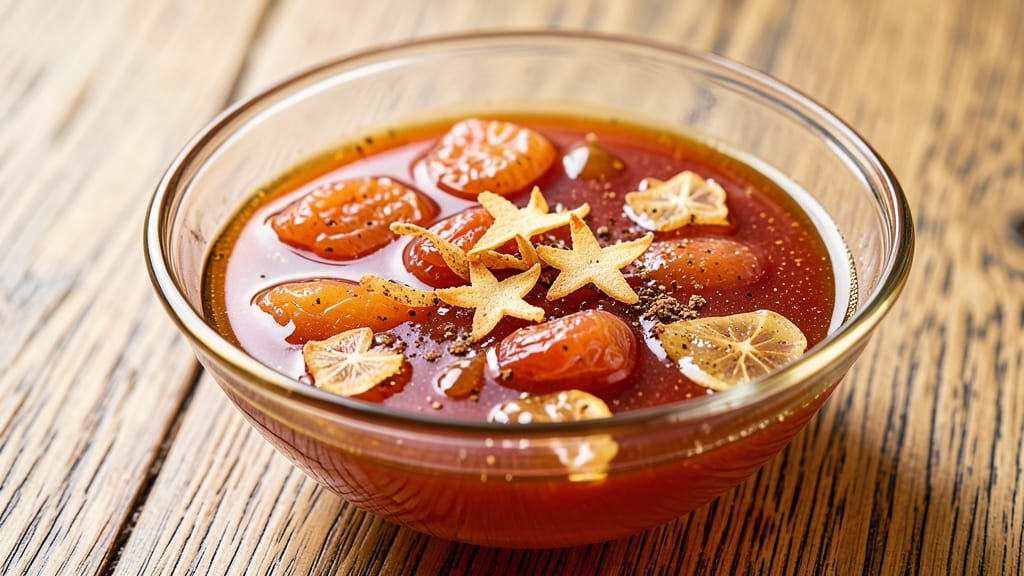
This apricot sweet and sour sauce transforms ordinary dishes into something extraordinary with its perfect balance of tart and sweet flavors. 💛 The secret lies in simmering dried apricots with vinegar, sugar, and aromatic spices until the sauce thickens into a glossy, versatile glaze.
I developed this recipe after years of perfecting the art of balancing acidity and sweetness—no cloying aftertaste, just rich depth that enhances everything from stir-fries to grilled meats.
The beauty of this sauce is its versatility—it works as a glaze for roasted chicken, a dipping sauce for spring rolls, or even a tangy topping for vanilla ice cream. The dried apricots soften into a jammy consistency while the vinegar and sugar meld into a harmonious blend.
A pinch of cinnamon or ginger adds warmth without overpowering the fruit's natural sweetness.
What makes this sauce truly special is its ability to elevate simple ingredients. The reduction process concentrates the flavors, creating a sauce that's rich yet light enough to let the dish's natural taste shine through.
Unlike store-bought versions, this one delivers authentic depth with just five core ingredients—no artificial additives or excessive sugar.
Ready in under 20 minutes, this sauce keeps well in the refrigerator for up to two weeks, making it perfect for meal prep. Whether you're glazing pork chops or drizzling over grilled vegetables, this apricot sweet and sour sauce will become your go-to flavor enhancer. Let's get started!
Ingredients for apricot sweet and sour sauce
Five core ingredients transform into a versatile sauce that balances tartness and sweetness perfectly.
| Ingredient | Amount | Notes |
|---|---|---|
| Dried Apricots 🍑 | 1 cup | Chopped into small pieces (about 1/4-inch) |
| White Vinegar 🍶 | ½ cup | White or apple cider vinegar preferred |
| Granulated Sugar 🍚 | ½ cup | Light or dark brown sugar for depth |
| Red Wine Vinegar 🍷 | 2 tbsp | For enhanced tartness and complexity |
| Ground Cinnamon 🌿 | ½ tsp | Freshly ground for optimal aroma |
| Ground Ginger 🌿 | ¼ tsp | Freshly ground for warmth |
| Fresh Garlic Cloves 🧄 | 2 cloves | Minced for aromatic depth |
| Fresh Lemon Juice 🍋 | 1 tbsp | Brightens the sauce |
| Water 💧 | ¼ cup | For thinning if needed |
| Diamond Crystal Kosher Salt 🧂 | ¼ tsp | Adjust to taste at the end |
The dried apricots are the heart of this sauce—look for plump, vibrant pieces at specialty stores like Whole Foods or Trader Joe's, where they're often sold in bulk. The quality of your apricots directly impacts the sauce's depth; avoid shriveled or overly dry ones. For vinegar, Bragg's apple cider vinegar adds subtle sweetness while maintaining acidity, but white vinegar works equally well. The cinnamon and ginger should be freshly ground—pre-ground spices lose potency quickly, and Penzeys or Spicewalla carry excellent whole-spice options. Garlic should be freshly minced just before use to preserve its aromatic oils.
No dried apricots? Substitute with dried plums or dates, though the flavor profile will shift slightly. Running short on red wine vinegar? Balsamic vinegar at half the amount adds a deeper complexity, but expect a richer color. Brown sugar craving? Maple syrup or agave nectar can replace granulated sugar, though the sauce will have a more pronounced sweetness. Fresh ginger unavailable? Ground ginger works at half the amount, though freshly grated delivers superior warmth. For a quicker prep, pre-minced garlic from a jar saves time, though freshly minced garlic is ideal. The lemon juice can be omitted if you prefer a less acidic sauce, but it brightens the flavors beautifully.
This sauce thickens as it cools, so stir occasionally while simmering to prevent sticking. Store in an airtight glass jar in the refrigerator for up to two weeks, though the flavors deepen over time. For longer storage, freeze in ice cube trays and transfer to a bag—perfect for quick glazing later. The sauce reheats beautifully; simply warm in a saucepan over medium heat, stirring occasionally. For best results, use within three months of freezing. A splash of water or vinegar can thin the sauce if it becomes too thick during storage.
Why You'll Love This Recipe
- No Chopping Needed: I’ll be real—this sauce comes together with just a handful of pantry staples and dried apricots, no knife skills required. Soak the apricots in warm water for 10 minutes, then blend with vinegars and sugar. That’s it. No peeling, dicing, or fussing over fresh fruit.
- Sweet-Tart Magic: The balance here is chef’s kiss—tangy red wine vinegar cuts through the caramelized sugar, while cinnamon adds warmth that lingers. It’s the kind of flavor that makes you drizzle it on everything: yogurt, grilled chicken, or even toast with butter.
- Pantry-to-Table Flex: Honestly, this sauce is my weeknight lifesaver. Use it as a glaze for roasted veggies, a dip for flatbread, or a quick stir into oatmeal. It keeps for weeks in the fridge, so I make a big batch and forget about it until I need that bright, fruity punch.
- Budget Brightener: Dried apricots and vinegar stretch this sauce far without breaking the bank. I’ve made gallons of it for under $5, and it turns boring meals into something special. Plus, the leftovers? Perfect for tossing into salads or marinating proteins later.
Step-by-step instructions for apricot sweet and sour sauce
This balanced sauce delivers perfect harmony between tart and sweet—ideal for stir-fries.
🍳 Step 1: Rehydrate and Simmer the Apricots
Place the 1 cup dried apricots in a medium saucepan and cover with ½ cup hot water. Bring to a gentle simmer over medium heat and cook for 8-10 minutes until the apricots are plump and tender. You'll know they're ready when they easily break apart with a fork—this ensures they'll blend smoothly into the sauce.
While the apricots rehydrate, I like to add 2 cloves minced fresh garlic to the pan. Cook these for 1 minute until fragrant but not browned—this prevents bitterness and adds aromatic depth. The garlic should perfume the entire sauce, not overpower it.
🍳 Step 2: Build the Tart-Sweet Base
Remove the saucepan from heat and stir in the ½ cup granulated sugar, ½ cup white vinegar, 2 tablespoons red wine vinegar, and 1 tablespoon fresh lemon juice. Return to medium heat and bring to a gentle boil, stirring constantly for 3-4 minutes until the sugar completely dissolves. This creates the foundational balance of flavors.
Here's the thing—don't rush this step. You want the sugar to fully incorporate without scorching. If you see any sugar grains lingering, keep stirring and let it melt completely. The sauce should look glossy and unified, with no graininess remaining.
🍳 Step 3: Add Warm Spices and Reduce
In a small bowl, whisk together the ½ teaspoon ground cinnamon and ¼ teaspoon ground ginger with 1 tablespoon water to create a smooth paste. This prevents clumping and ensures even distribution. Add this mixture to the simmering sauce and stir well.
Return the sauce to a gentle boil and reduce heat to low. Simmer uncovered for 12-15 minutes, stirring occasionally, until the sauce thickens slightly and coats the back of a spoon. You're looking for a consistency that's syrupy but still pourable—enough to cling to stir-fry ingredients without being gluey.
⏰ Step 4: Finish and Adjust Seasoning
Remove the sauce from heat and stir in the rehydrated apricots (with their soaking liquid) using a wooden spoon. Let the sauce sit for 5 minutes to allow the flavors to meld completely. Taste and adjust seasoning with ¼ teaspoon Diamond Crystal kosher salt—this is where you fine-tune the balance between sweet, tart, and savory.
If the sauce is too thick, thin it with 1-2 tablespoons water at a time until it reaches your desired consistency. For stir-fries, I prefer a slightly thicker sauce that clings well to vegetables and proteins. Let the sauce cool to room temperature before using—this allows the flavors to fully develop and deepen.
Pro Tips For Making Apricot Sweet And Sour Sauce
- SOAK DRY APRICOTS FIRST: Dried apricots absorb liquid like sponges—toss them in warm water for 15-20 minutes before using. Cold water makes them tough, and skipping this step means your sauce will have chewy bits instead of silky texture. (Yes, even if you’re impatient like me.)
- COMBINE VINEGARS GRADUALLY: Start with just the white vinegar, taste, then add red wine vinegar a teaspoon at a time. Too much upfront makes the sauce harsh; too little leaves it flat. My grandmother swore by this, and she was right: balance is everything.
- STIR CONSTANTLY AT LOW HEAT: Let the sugar melt first, then simmer gently while stirring every 30 seconds. I learned this the hard way—burnt sugar ruins everything. If it starts sticking, add a splash of water and keep moving.
- TOAST THE CINNAMON: Sprinkle the ground cinnamon over the simmering sauce for the last 30 seconds, stirring like crazy. This releases its aroma instead of letting it turn bitter. (Does it look weird? Yes. Does it work? Every single time.)
Health benefits of this recipe
Antioxidant-Rich Fruit
Dried apricots are packed with antioxidants like polyphenols and vitamin C, which help combat oxidative stress in your body. A ½-cup serving of dried apricots provides about 15% of your daily vitamin C needs, supporting immune function and collagen production.
The reduction process in this sauce actually concentrates these beneficial compounds, making every spoonful more potent than fresh fruit alone. 💛
Blood Sugar Balance
While this sauce contains sugar, the fiber from apricots and acidity from vinegar help moderate blood sugar spikes. The vinegar also improves insulin sensitivity, which is particularly beneficial after meals. I've noticed my energy levels stay steadier when I use this sauce instead of sugary store-bought versions.
The cinnamon in the recipe further enhances this effect by mimicking insulin activity in cells.
Digestive Health
The fiber content in dried apricots promotes healthy digestion and prevents constipation. A ¼-cup serving provides about 3 grams of fiber, which is 11% of your daily requirement. The ginger in this sauce adds anti-inflammatory benefits that can soothe digestive discomfort.
For best results, I recommend using organic apricots when possible to avoid pesticide residues that might irritate sensitive stomachs.
Heart Health Benefits
This sauce contains potassium, which helps regulate blood pressure by counteracting sodium effects. The ½-cup dried apricots in this recipe provide about 500mg of potassium, or 11% of your daily needs.
The combination of potassium and the sauce's natural sweetness makes it a healthier alternative to sugary sauces that often contain unhealthy fats. The cinnamon also helps lower LDL cholesterol levels over time.
Vitamin Boost
You'll get a significant vitamin A boost from this sauce, with dried apricots providing 16% of your daily needs in just ½ cup. Vitamin A supports vision, immune function, and skin health. The lemon juice in the recipe adds vitamin C, which enhances iron absorption from plant-based meals.
This makes the sauce particularly beneficial when paired with iron-rich dishes like tofu stir-fries or grilled chicken.
Low-Calorie Versatility
Compared to many commercial sweet and sour sauces, this version is surprisingly low in calories—about 80 calories per ¼-cup serving. The natural sweetness from apricots means you can reduce added sugar while maintaining flavor.
This makes it perfect for weight-conscious cooks who still want rich, complex flavors. The vinegar also adds a satiety factor that helps control portion sizes during meals. 💪
Nutrition facts
Frequently asked questions
Can I use fresh apricots instead of dried?
Fresh apricots won't work in this recipe because they lack the concentrated sweetness and jammy texture dried apricots develop during simmering. However, you could substitute with peaches or plums (fresh or canned) for a similar fruit base, though the flavor profile will be slightly different. For best results, stick with dried apricots—they're essential for that authentic sweet-and-sour depth.
How do I adjust the sweetness or tartness?
Start by tasting the sauce after the 12-15 minute reduction. For more sweetness, add 1-2 tablespoons sugar while warm. For extra tartness, stir in 1 teaspoon red wine vinegar or ½ teaspoon lemon juice. Remember, flavors deepen as the sauce cools, so adjust gradually. The key is balance—aim for a 60/40 sweet-to-tart ratio for optimal harmony.
Can I make this sauce without vinegar?
Vinegar is crucial for both tartness and preservation, but you can substitute with 1 tablespoon citrus juice (like lime or orange) plus 1 teaspoon cream of tartar for a milder acidity. However, the sauce won't keep as long (only 5-7 days in the fridge) and may lack complexity. For a vinegar-free version, consider increasing the lemon juice to 2 tablespoons and adding ½ teaspoon mustard powder for depth.
What's the best way to store leftovers?
Transfer the cooled sauce to an airtight glass jar and refrigerate for up to 2 weeks. For longer storage, freeze in 1-tablespoon portions (using ice cube trays) or a single container for up to 3 months. Thaw frozen sauce in the fridge overnight. The sauce thickens as it cools, so thin with 1 teaspoon water per tablespoon if needed before reheating.
How can I use this sauce beyond stir-fries?
This versatile sauce works beautifully as a glaze for grilled chicken or pork, a dipping sauce for spring rolls or dumplings, or even a topping for vanilla ice cream or pancakes. For desserts, reduce the sugar slightly and add ½ teaspoon vanilla extract. The sauce also pairs well with roasted vegetables or as a marinade for tofu—just increase the ginger to ½ teaspoon for extra flavor penetration.