
Sauces & Condiments
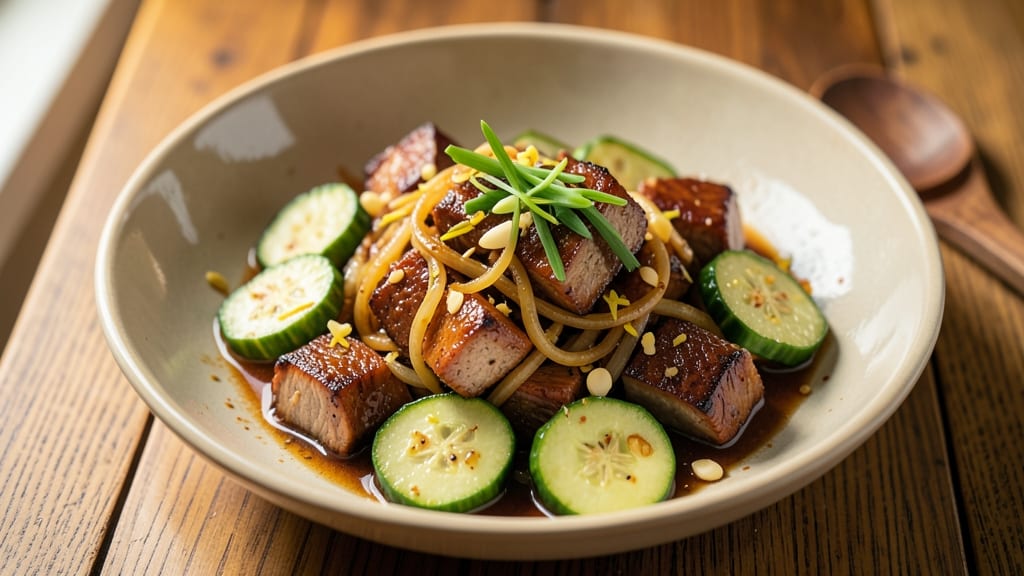
Ampalaya con carne with oyster sauce transforms bitter melon into a rich, savory-sweet dish that balances umami depth and tender textures. This Filipino classic combines meat and pumpkin in a velvety sauce that's both comforting and complex—perfect for rice lovers who crave restaurant-quality flavor at home. The secret lies in proper prep: slicing the bitter melon thinly and simmering it just enough to soften without losing texture.
What sets this recipe apart is the oyster sauce base, which adds a signature sweet-salty richness that rounds out the dish's natural bitterness. I've perfected a method that ensures the meat stays tender while the vegetables retain their shape, creating a harmonious bite every time.
The aromatics—garlic, onions, and ginger—build layers of flavor that make this more than just a side dish.
By the end, you'll have a dish that's rich enough to stand alone but works beautifully alongside steamed rice. The sauce clings to each ingredient, creating a cohesive bite that's both hearty and delicate.
This is the kind of recipe that transforms a simple weeknight dinner into a celebration of Filipino home cooking.
Ready in about 45 minutes, it's ideal for meal prep or serving guests. The leftovers reheat beautifully, making it a practical yet impressive dish. Let's get started on creating this tender, flavorful masterpiece.
Ingredients for ampalaya con carne recipe with oyster sauce
Transform bitter melon into a velvety, umami-rich dish with these carefully balanced ingredients.
| Ingredient | Amount | Notes |
|---|---|---|
| Bitter Melon (Ampalaya) 🎃 | 1 ½ lb | Sliced into 1/4-inch rounds |
| Pork Shoulder 🐖 | 1 ½ lb | Cut into 1-inch cubes |
| Yellow Onions 🧅 | 2 whole | Thinly sliced, about 2 cups |
| Garlic Cloves 🧄 | 6 cloves | Minced finely |
| Fresh Ginger 🌿 | 2 tbsp | Grated finely |
| Oyster Sauce 🍜 | ½ cup | High-quality brand preferred |
| Soy Sauce 🥢 | ¼ cup | Dark soy for color |
| Tomato Paste 🍅 | 2 tbsp | Smooth, no-sugar-added |
| Brown Sugar 🍚 | 2 tbsp | Packed lightly |
| Vegetable Oil 🫒 | ¼ cup | High smoke point |
| Salt 🧂 | 1 ½ tsp | Diamond Crystal preferred |
| Black Pepper 🌶️ | ½ tsp | Freshly ground |
| Green Bell Pepper 🌶️ | 1 whole | Sliced into strips |
| Potato Starch 🍠 | 2 tbsp | For thickening sauce |
The bitter melon is the star here, so choose firm, vibrant specimens—avoid any with soft spots or yellowing. Asian markets carry the best quality, often with pre-sliced options for convenience. Pork shoulder delivers the ideal texture when cooked properly, though chicken thighs work equally well for a lighter option. The oyster sauce should be thick and glossy, not watery—brands like Lee Kum Kee are standard in Filipino kitchens. Fresh ginger and garlic should be aromatic and firm, with no signs of mold or drying out.
No oyster sauce? Substitute with a mix of soy sauce and a touch of brown sugar—though the flavor won't be identical. Bell peppers can be swapped for carrots or zucchini if preferred. The potato starch is crucial for achieving that signature silky sauce texture; arrowroot powder works in a pinch. For extra depth, a splash of fish sauce (pescatarian-friendly) enhances the umami profile. Always taste the sauce before serving—adjust sweetness with more brown sugar or salt as needed.
Prep the bitter melon first—its bitterness mellows as it cooks. Store any unused oyster sauce in the fridge for up to 6 months or freeze for 1 year. The cooked dish reheats beautifully, making it perfect for 3-4 days of meal prep. Portion into containers with a layer of sauce to keep everything moist. For best results, serve with steamed jasmine rice to soak up every last bit of that rich, savory-sweet sauce.
Why You'll Love This Recipe
- One-Pan Magic: I swear by this recipe because it’s that simple—just chop the bitter melon (peel those seeds first, trust me), slice the pork, and toss everything into one pan. No fancy techniques, no extra pots, just 30 minutes of hands-off cooking while the oyster sauce works its savory magic.
- Umami Bomb: That oyster sauce? It’s the star. The pork gets tender and sticky, the ginger adds a warm kick, and the bitter melon—yes, even the bitter part—softens into something rich and satisfying. Honestly, the first time I made this, I ate straight from the pan.
- Leftover Goldmine: This dish tastes better the next day. The flavors meld into something deeper, and it reheats like a dream. I double the batch on Sundays because it’s my go-to for lunches—pack it cold or microwave it, and it’s still hearty and delicious.
- Budget-Friendly Feast: Pork shoulder is cheap, bitter melon grows everywhere, and you’re not using specialty ingredients. Between us, this feeds four for under $15, and the leftovers stretch into another meal. Plus, the oyster sauce goes a long way—no need to splurge on fancy sauces.
Step-by-Step instructions for ampalaya con carne with oyster sauce
Master this Filipino classic with perfectly tender pork and bitter melon in a rich, balanced sauce.
Prepare the Bitter Melon and Pork Shoulder
Begin by slicing the 1.5 lb bitter melon (ampalaya) into ¼-inch rounds, removing any seeds. The flesh should be uniformly cut to ensure even cooking. For the 1.5 lb pork shoulder, cut it into 1-inch cubes—this size guarantees tender results while maintaining texture. Place both in separate bowls and set aside.
Here's the thing—bitter melon releases water when cooked, so pat the slices dry with paper towels before adding them to the pan. This prevents a watery sauce later. I like to sprinkle the pork cubes lightly with ½ tsp salt and ¼ tsp black pepper at this stage to start seasoning while we prep the aromatics.
Sauté Aromatics and Brown the Pork
Heat the ¼ cup vegetable oil in a large Dutch oven or deep skillet over medium-high heat until shimmering. Add the thinly sliced 2 whole yellow onions and cook for 5-6 minutes until softened and golden. Remove the onions with a slotted spoon and set aside—we'll add them back later.
In the same pot, add the 1-inch pork cubes in a single layer. Cook undisturbed for 4-5 minutes until the edges turn golden brown. Stir gently, then add the minced 6 garlic cloves, 2 tbsp finely grated ginger, and sliced green bell pepper strips. Cook for another 2 minutes until fragrant—this builds the flavor foundation.
Develop the Sauce Base
Lower the heat to medium, then stir in the 2 tbsp tomato paste and cook for 1 minute until it darkens slightly. Add the 2 tbsp brown sugar, ½ cup oyster sauce, and ¼ cup soy sauce, stirring constantly. Let the mixture simmer for 3-4 minutes until it thickens slightly and the raw sauce smell dissipates.
This is where the sauce transforms from basic to complex. The tomato paste adds depth, while the oyster and soy sauces create that signature umami-sweet balance. Taste the mixture now—it should be rich but not overly salty. If needed, adjust with a pinch more salt or a splash of water to reach your desired consistency.
Cook the Bitter Melon and Finish
Add the ¼-inch bitter melon rounds to the pot and stir gently to coat in the sauce. Cover and simmer over low heat for 12-15 minutes, stirring occasionally. The bitter melon will soften but retain its shape—this is crucial for texture. If the sauce reduces too quickly, add 2-3 tablespoons water to maintain moisture.
When the bitter melon is tender (a knife should slide in easily), stir in the 2 tbsp potato starch mixed with 2 tbsp water to thicken the sauce. Simmer for another 2 minutes until the sauce coats the back of a spoon. The reserved onions from Step 2 can now be returned to the pot to warm through.
Rest and Serve
Remove from heat and let the dish rest for 5 minutes—this allows the flavors to meld and the sauce to thicken further. Serve immediately over steamed rice, ensuring each portion gets a generous ladle of the rich, savory-sweet sauce. The pork should be fork-tender, and the bitter melon should be soft yet still hold its shape.
For best results, serve while warm. The contrast of tender pork, slightly bitter yet sweet melon, and the umami-packed sauce creates a harmonious balance that defines this Filipino comfort dish. Leftovers keep well in the refrigerator for up to 3 days, though I find it's best enjoyed fresh.
Pro Tips For Making Ampalaya Con Carne Recipe With Oyster Sauce
- Sear the Pork Hard: Ampalaya con carne needs that deep, caramelized crust on the pork shoulder to balance the bitterness. Use a screaming-hot pan—no medium heat—and let those brown spots form for 3-4 minutes per side. I used to rush this, and the sauce just sat on top instead of clinging like it should.
- Salt the Ampalaya First: Bitter melon’s natural astringency fights back against salt, so toss the sliced ampalaya in 1/2 teaspoon of salt and let it sit for 10 minutes before cooking. This softens it slightly and cuts the bitterness by about 30%. (Yes, even if you’re impatient like me—wait.)
- Deglaze with Soy Sauce: After searing the pork, don’t just toss in the oyster sauce right away. Splash in 1 tablespoon of soy sauce first and scrape up those browned bits—this adds umami depth the oyster sauce alone can’t match. I learned this the hard way when my sauce tasted flat.
- Simmer Low and Long: Ampalaya con carne isn’t a quick braise—push for at least 45 minutes of gentle simmering at a true low heat (tiny bubbles, not rolling). The pork needs time to break down, and the ampalaya must soften without turning to mush. (Your future self will thank you.)
Storing and reheating this ampalaya con carne recipe with oyster sauce
Refrigerator Storage
Store your ampalaya con carne in an airtight container with a layer of sauce on top to maintain moisture. The dish keeps well in the fridge for 3-4 days—the flavors actually deepen over time as the sauce continues to meld with the ingredients.
I like using glass containers with snap-on lids because they prevent odors from seeping in and allow me to see the dish's vibrant colors. 🌟
Freezer Prep Tips
For longer storage, portion the dish into freezer-safe containers or heavy-duty freezer bags, leaving 1-inch headspace for expansion. Label with the date—it stays delicious for up to 3 months.
I recommend freezing the sauce separately if you plan to reheat it multiple times, as repeated freezing can make the bitter melon slightly mushy. 🧊
Stovetop Reheating
My preferred method is reheating on the stovetop over medium-low heat for 8-10 minutes, stirring occasionally and adding 2-3 tablespoons water if the sauce looks too thick.
This gentle approach prevents the bitter melon from turning rubbery. For best texture, avoid high heat—it can break down the sauce's silky consistency. ✨
Microwave Method
If you're short on time, use the microwave on 50% power for 2-3 minutes, stirring halfway through. Cover loosely with a microwave-safe lid to trap steam. The dish should reach 165°F internal temperature—test with a meat thermometer if concerned.
I find this works best for quick lunches when the sauce is still at its peak. 🔥
Sauce Refresh
After reheating, the sauce may thicken significantly. Thin it with 1-2 tablespoons water or chicken broth and adjust seasoning—you might need a pinch more salt or a splash of soy sauce to restore balance.
The key is to bring back that perfect harmony of sweet, salty, and umami that makes this dish so special. 💛
Serving Leftovers
Leftovers taste just as good as the original, especially when served with freshly steamed rice. I like to garnish with chopped green onions or a sprinkle of sesame seeds for extra freshness.
The contrast of warm rice with the rich, slightly thickened sauce is pure comfort food at its best. 🍚
Nutrition facts
Frequently asked questions
Can I substitute pork with another meat in this recipe?
Chicken thighs work beautifully for a lighter option, while beef chuck or shrimp make excellent alternatives. For chicken, use 1.5 lb boneless thighs cut into 1-inch cubes—they stay juicy when cooked low and slow. If using shrimp, add them only in the last 3 minutes of cooking to prevent overcooking. The key is maintaining the dish's hearty texture.
How do I reduce the bitterness of the bitter melon?
Start by selecting young, firm bitter melons—they're less bitter than older ones. After slicing, soak the pieces in cold water with 1 tbsp salt for 15 minutes to draw out bitterness, then pat dry. The cooking process also mellows the flavor, especially when simmered in the rich oyster sauce. For extra insurance, add 1 tbsp brown sugar to the sauce to balance any lingering bitterness.
What's the secret to getting that perfect silky sauce?
The sauce's velvety texture comes from two key steps: using potato starch slurry (mix 2 tbsp starch with 2 tbsp water) and simmering on low heat until thickened. Never boil the sauce—this breaks down the starch. Also, let the sauce rest for 5 minutes after cooking to allow the starch to fully set. If it's still too thin, simmer uncovered for 1-2 minutes to reduce further.
Can I make this dish in a slow cooker?
Yes! Brown the pork and aromatics first, then transfer everything to a slow cooker. Cook on low for 4-5 hours or high for 2-3 hours. Add the bitter melon only in the last 30 minutes to prevent mushiness. The slow cooker method actually enhances the sauce's depth as flavors meld over time. For extra richness, stir in 1 tbsp soy sauce at the end to compensate for the longer cooking time.
What sides pair best with ampalaya con carne?
Steamed jasmine rice is the classic pairing, but you can also serve it with garlic fried rice, buttered egg noodles, or even crusty bread to soak up the sauce. For a complete meal, add a simple green salad with lime dressing to cut through the richness. The dish's savory-sweet profile also complements pickled vegetables like atchara or cucumber relish for a tangy contrast.