
Sauces & Condiments
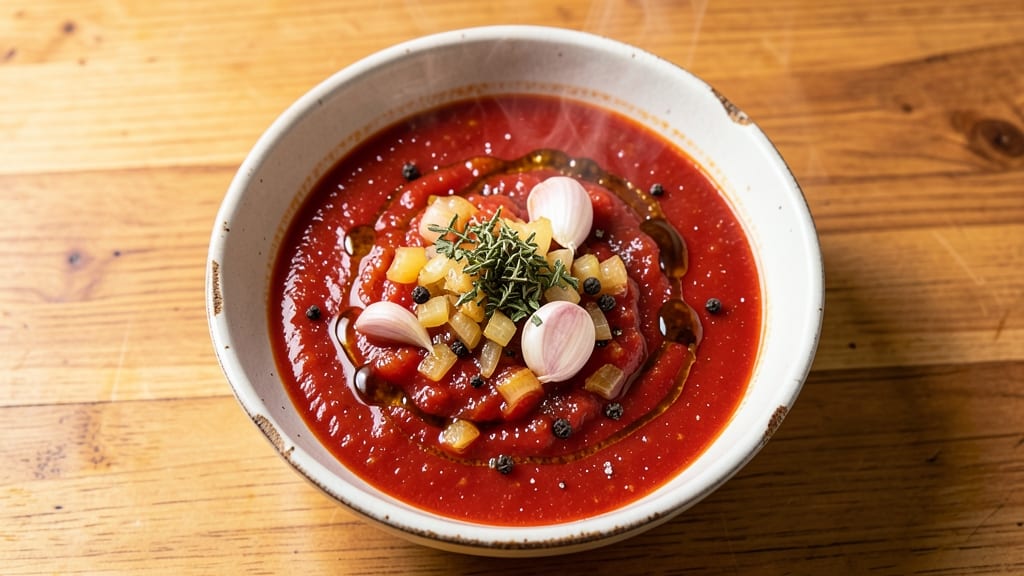
This Amish pizza sauce recipe transforms simple pantry staples into a slow-simmered masterpiece that brings deep tomato flavor and warm spice harmony to every slice. The secret lies in simmering whole tomatoes until they break down naturally, creating a rich, velvety texture without artificial thickeners.
I developed this recipe after years of perfecting the balance between sweetness and acidity, ensuring it complements both homemade and store-bought crusts equally well.
The process is straightforward but requires patience—no food processor or blender needed. You'll start with canned tomatoes and aromatic vegetables, then let them cook low and slow until the flavors meld into something truly special.
This method preserves the natural sweetness of the tomatoes while building layers of depth through garlic, onions, and a touch of sugar. The result? A sauce that's smooth yet complex, with just enough body to cling beautifully to pizza crust without overwhelming it.
What makes this sauce truly stand out is its versatility. Use it as a base for classic pizza, as a marinade for meats, or even as a pasta sauce.
The recipe yields enough for multiple pizzas, and it stores perfectly in the refrigerator for up to 5 days or freezes for up to 3 months. For those who prefer texture, simply omit blending—chunky bits add delightful contrast to every bite.
This isn't just pizza sauce; it's a flavor foundation that elevates any dish it touches.
The beauty of this recipe lies in its simplicity and adaptability. Whether you're making a traditional Amish-style pizza or experimenting with new toppings, this sauce provides the perfect balance of sweetness, acidity, and warmth.
The slow simmering process allows the natural flavors to develop fully, resulting in a sauce that's far superior to anything you'd find in a jar. Let's get started on creating your own batch of this timeless, homemade pizza sauce.
Ingredients for amish pizza sauce
Nine essential ingredients for a pizza sauce that builds rich tomato depth through slow simmering.
| Ingredient | Amount | Notes |
|---|---|---|
| San Marzano Whole Canned Tomatoes 🍅 | 28 oz | San Marzano preferred for sweetness |
| Yellow Onion 🧅 | 1 whole | Medium size, diced |
| Garlic Cloves 🧄 | 4 cloves | Fresh, minced |
| Extra-Virgin Olive Oil 🫒 | ½ cup | For slow simmering |
| Granulated Sugar 🍚 | 1 tbsp | Balances acidity |
| Dried Oregano 🌿 | 1 tsp | Crumbled, not ground |
| Ground Black Pepper 🌶️ | ½ tsp | Freshly cracked |
| Salt 🧂 | 1 tsp | Diamond Crystal preferred |
| Red Wine Vinegar 🍷 | 1 tbsp | For acidity balance |
| Fresh Basil Leaves 🌿 | ¼ cup | Chopped, for finishing |
The tomatoes are non-negotiable—San Marzano delivers that signature sweetness that makes this sauce stand out. Grab a 28-ounce can from the Italian section of Whole Foods or Trader Joe's for the best quality. The onions and garlic should be fresh, not dried or powdered—yellow onions work perfectly, but red adds subtle color contrast. Olive oil matters too: extra-virgin with fruity notes prevents bitterness during the long simmer. For the oregano, dried Mexican oregano adds an earthy depth that's distinct from Italian varieties, but regular dried oregano works in a pinch.
No San Marzano tomatoes? Crushed tomatoes with no added salt will work, but you'll lose that natural sweetness. Short on red wine vinegar? Lemon juice at half the amount gives similar acidity. The sugar is crucial—brown sugar adds molasses notes if you prefer depth over sweetness. For the basil, fresh is ideal, but dried basil at one-third the amount works if you're in a rush. Want to skip the wine vinegar entirely? A pinch of citric acid dissolves completely and adds brightness without altering flavor. The key is balancing sweetness, acidity, and salt—taste as you go and adjust gradually.
This sauce tastes even better the next day as flavors meld. Store in an airtight container in the fridge for up to 5 days or freeze for 3 months. For freezing, portion into ice cube trays before transferring to a bag—perfect for single pizza use. The sauce thickens as it cools, so reheat gently with a splash of water if needed. Leftovers make excellent pasta sauce or marinade. Always taste before using—adjust salt or sugar if needed after storage.
Why You'll Love This Recipe
- Five-Ingredient Magic: I swear by this—just tomatoes, onion, garlic, oil, and a pinch of sugar. That’s it. No fancy pantry trips, no stressing over measurements. The San Marzano tomatoes alone do half the work for you.
- Sweet-Savory Balance: Honestly, the sugar isn’t about sweetness—it’s about cutting through the acidity of the tomatoes so the garlic shines. One taste and you’ll get it: rich, deep, with just enough brightness to make every bite sing.
- Pantry-to-Pizza Ready: This sauce keeps for weeks in the fridge, so I make a big batch when tomato season hits. Use it on pizza, pasta, or even as a marinade. My freezer’s always stocked with it—because why not?
- Budget-Friendly Luxury: Between us, this is the kind of sauce that makes store-bought look sad. Fresh ingredients (especially those San Marzano tomatoes) cost more upfront, but one batch stretches across meals, saving me money and time. Worth every penny.
Step-by-step instructions for Amish pizza sauce
This slow-simmered sauce delivers rich tomato depth with balanced sweetness and aromatic spices.
Prepare and Sauté the Aromatics
Heat the 0.5 cup extra-virgin olive oil in a medium saucepan over medium-low heat. Add the 1 whole yellow onion, diced into ¼-inch pieces, and cook for 5-7 minutes until softened and translucent. The onions should release their natural sweetness without browning.
Add the 4 cloves garlic cloves, minced, and cook for an additional 1-2 minutes until fragrant. Watch carefully—garlic burns quickly. This foundational step builds the sauce's aromatic complexity that carries through every bite. Remove from heat momentarily if needed to prevent burning.
Add Tomatoes and Simmer
Return the pan to medium heat and add the 28 oz San Marzano whole canned tomatoes. I like to crush them lightly with my hands before adding to create a slightly rustic texture. Stir well to combine with the onions and garlic, then bring to a gentle simmer.
Add the 1 tbsp granulated sugar, 1 tsp dried oregano, 0.5 tsp ground black pepper, and 1 tsp salt. The sugar helps balance the acidity of the tomatoes while enhancing their natural sweetness. Let the mixture simmer uncovered for 20-25 minutes, stirring occasionally, until the sauce thickens slightly and the flavors meld together.
Finish with Vinegar and Basil
After the sauce has thickened, stir in the 1 tbsp red wine vinegar. This adds a bright acidity that cuts through the richness and enhances the overall flavor profile. Taste and adjust seasoning if needed—you may find you need a touch more salt or pepper to achieve the perfect balance.
Remove the sauce from heat and stir in the 0.25 cup fresh basil leaves, chopped. The basil adds a fresh, herbal note that brightens the sauce and complements the warm spices. Let the sauce sit for 5 minutes off the heat to allow the flavors to fully integrate before using.
Cool and Store
Transfer the sauce to a clean jar or container and let it cool to room temperature. This sauce keeps well in the refrigerator for up to 5 days, or you can freeze it for up to 3 months. The flavors actually deepen as it sits, making it perfect for preparing ahead of time for your next pizza night.
When ready to use, simply reheat the sauce gently over low heat, stirring occasionally, until warmed through. The texture should be smooth and slightly thickened, with a balance of sweetness, acidity, and aromatic spices that make every slice of pizza unforgettable.
Pro Tips For Making Amish Pizza Sauce
- CRUSH THE ONIONS: Pulse them in the food processor until they’re almost paste—just a few tiny chunks left. I learned this the hard way: big onion pieces turn to mush and make the sauce watery. You want flavor, not a tomato-onion stew.
- SIMMER LOW AND SLOW: After the tomatoes break down, drop the heat to a bare simmer and let it cook uncovered for 45 minutes. Rushing it keeps the sauce thin and one-dimensional; patience gives you that rich, concentrated depth Amish-style sauce is known for.
- SALT THE TOMATOES FIRST: Sprinkle a generous pinch of salt directly into the canned tomatoes before crushing them. This draws out excess water and seasons the sauce from the start—no need to over-season later. (Yes, even if you’re using San Marzanos, which are already good.)
- SKIP THE SUGAR UNTIL THE END: Add the granulated sugar only in the last 10 minutes of cooking. Too early, and it burns, turning the sauce bitter. Taste it first—if it needs sweetness, let it develop naturally before adjusting.
Essential equipment for this recipe
Saucepan Essentials
Start with a medium saucepan with a 3-4 quart capacity—this gives enough room for the sauce to simmer without boiling over while allowing easy stirring. I recommend a stainless steel pan like All-Clad Stainless for even heat distribution and durability.
Avoid non-stick pans for this recipe—they can't handle the long simmering time without potential coating damage. 🔥
Wooden Spoon
A heat-resistant wooden spoon is your best friend for stirring this sauce. I use a 12-inch Oxo Good Grips wooden spoon because it's wide enough to scrape the bottom gently and prevent sticking.
Wood absorbs minimal heat, so it won't burn or melt during the 20-25 minute simmer. For extra durability, soak it in water for 10 minutes before use to prevent warping.
Fine-Mesh Strainer
If you prefer a smooth sauce without tomato seeds or skins, a fine-mesh strainer becomes essential. I like the OXO Good Grips Strainer because its wide rim makes pouring easier. Place it over a heatproof bowl while the sauce is still warm to preserve its temperature.
For a chunkier texture (which I love for rustic pizzas), skip straining entirely—just crush the tomatoes lightly with your hands before simmering.
Measuring Tools
Precision matters with this sauce, so invest in quality measuring tools. Use a liquid measuring cup for the 0.5 cup olive oil and a small spoon for the 1 tsp oregano. I recommend OXO Good Grips measuring spoons—they're durable and fit comfortably in your hand.
For the San Marzano tomatoes, weigh them if possible (they should be about 28 oz) or use the can's weight as a reference.
Glass Storage Jars
For storing your finished sauce, glass jars with airtight lids are ideal. I use 8-ounce mason jars from Ball or Kerr—they're microwave-safe, freezer-friendly, and won't absorb odors. Label each jar with the date to track freshness.
For freezing, leave 1 inch of headspace to prevent expansion cracks. The glass preserves flavor better than plastic over time, especially for the 5-day refrigerator or 3-month freezer storage.
Optional Immersion Blender
If you prefer a smooth but still chunky texture, an immersion blender lets you control the consistency. I use the Ninja Foodi Immersion Blender to blend the sauce directly in the pot for 10-15 seconds—just enough to break up large tomato pieces while keeping some texture.
Avoid over-blending, which can make the sauce taste cooked. This tool is particularly useful if you accidentally add too many seeds or skins during the simmering process.
Nutrition facts
Frequently asked questions
Can I make this sauce without San Marzano tomatoes?
Yes, but you'll lose some sweetness. Use crushed tomatoes with no added salt instead—just add ½ extra teaspoon of sugar to compensate. Avoid tomato sauces with thickeners like cornstarch, as they alter the natural texture. The key is balancing acidity and sweetness, so taste as you go and adjust gradually.
How do I adjust the thickness for different uses?
For pizza, this sauce is perfect as-is with its slightly thickened texture. For pasta, thin it with 1-2 tablespoons of water or broth while reheating. If too thick after simmering, add 1 tablespoon at a time until desired consistency. Never add liquid before simmering—it prevents proper flavor development.
Can I make this sauce in a slow cooker?
Use the same ingredients but set the slow cooker to Low for 3-4 hours instead of simmering. The long cooking time enhances flavors even more. Stir occasionally and add 1 extra tablespoon of water if needed to prevent scorching. The texture will be slightly thicker due to evaporation.
Why does my sauce taste too acidic?
This usually happens when tomatoes aren't fully simmered or vinegar is overused. Balance it by adding ½ teaspoon sugar or ¼ teaspoon more salt to enhance sweetness. For future batches, reduce vinegar to ½ tablespoon and simmer 5 extra minutes to let natural sugars develop. Always taste before adding more acid.
What's the best way to use leftovers?
This versatile sauce works perfectly as a marinade for chicken or shrimp, or as a base for soups. For pizza, spread it directly on pre-baked crusts to prevent sogginess. Store in glass jars in the fridge for 5 days or freeze in ice cube trays for single-serving portions. The flavors actually improve overnight!