
Sauces & Condiments
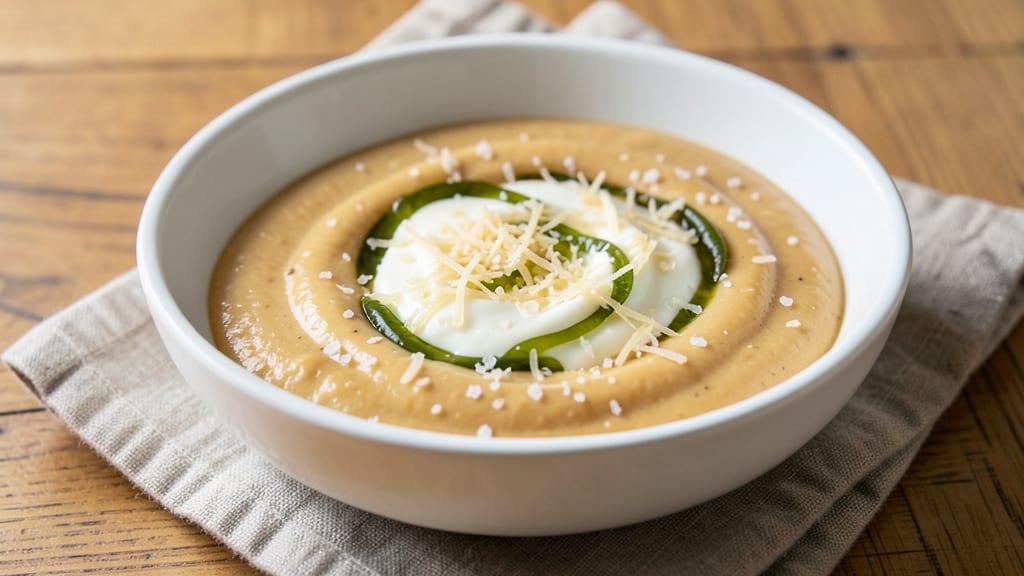
This alfredo sauce recipe for one delivers restaurant-quality creaminess in just minutes—perfect for transforming a simple pasta into an indulgent meal. The secret lies in balancing rich butter, velvety cream, and freshly grated Parmesan, creating a sauce that coats every noodle without separation.
I developed this single-serving version after realizing how often I wanted alfredo but couldn't face making a full batch. What sets this apart is the technique: melting butter slowly, whisking in warm cream to prevent curdling, and finishing with Parmesan while still hot for maximum flavor infusion.
The result is a creamy, velvety sauce with just the right balance of richness and tang—no lumps, no grittiness, just pure indulgence. It's the ideal solution for when you crave alfredo but only need enough for one serving.
This recipe scales perfectly for one, using just 2 tablespoons of butter, ¼ cup of cream, and 2 tablespoons of Parmesan—no waste, no leftovers to deal with. The sauce stays fresh in the refrigerator for up to 3 days, or you can freeze it for later use.
Simply reheat gently on the stove, stirring until smooth, and toss it with your favorite pasta. Whether you're treating yourself to a solo dinner or need a quick sauce for a single serving, this recipe delivers professional-quality results with minimal effort.
The key is precision—measuring carefully and whisking constantly to ensure a silky texture. Let's make this creamy masterpiece!
Ingredients for alfredo sauce recipe for one
Just six ingredients transform into velvety perfection for one—no lumps, no waste.
| Ingredient | Amount | Notes |
|---|---|---|
| Unsalted Butter 🧈 | 2 tbsp | Cold cubes for slow melting |
| Heavy Cream 🥛 | ¼ cup | Full-fat for velvety texture |
| Freshly Grated Parmesan Cheese 🧀 | 2 tbsp | Block cheese only, no pre-grated |
| Garlic Cloves 🧄 | 1 clove | Minced, for subtle aroma |
| Extra-Virgin Olive Oil 🫒 | 1 tsp | For finishing, fruity variety |
| Diamond Crystal Kosher Salt 🧂 | ⅛ tsp | Fine grain for delicate seasoning |
| Freshly Ground Black Pepper 🌶️ | ⅛ tsp | Cracked peppercorns preferred |
| Nutritional Yeast 🍞 | 1 tsp | Optional for umami depth |
| Pasta Water 💧 | ¼ cup | Reserved from cooking pasta |
The butter is non-negotiable—unsalted gives you control over seasoning, and cold cubes melt slowly for perfect emulsification. European-style butter like Plugrá or Land O'Lakes has higher fat content, which makes this sauce even richer. If you're in a hurry, Trader Joe's sells pre-cubed butter that works perfectly. The Parmesan? Only fresh block cheese—pre-grated contains anti-caking agents that make the sauce grainy. Grate it yourself using the large holes of a box grater for that perfect powdery texture. Garlic is subtle here, so one clove is plenty—just minced, not sautéed.
No heavy cream? Half-and-half or full-fat coconut milk works in a pinch, though the texture won't be identical. Short on Parmesan? Pecorino Romano has a sharper bite that works well at half the amount. The nutritional yeast adds that savory depth without dairy—Bob's Red Mill brand is my go-to. For extra richness, add 1 teaspoon of mascarpone cheese at the end. The pasta water is crucial—it helps emulsify the sauce and adds starch for that signature cling. If you're using dried pasta, reserve ½ cup of the water before draining.
This sauce is best made fresh, but it keeps beautifully in the fridge for 3 days in an airtight container. For longer storage, freeze it in 1-ounce portions—just thaw in the fridge overnight and reheat gently on low heat, stirring constantly. I always make a double batch and freeze half—perfect for lazy nights when you crave alfredo but don't want to measure everything again. The key to reheating is patience—rush it and you'll get lumps. Add a splash of warm water if it gets too thick.
Why You'll Love This Recipe
- No Measuring Hassles: I just eyeball the butter and cream—no fancy scales, no stress. Two tablespoons of butter, a splash of cream, and a pinch of salt while the garlic sizzles in olive oil. That’s it. The Parmesan? Grate it fresh, but even if you use pre-shredded, it still hits the spot.
- Rich Without Effort: The moment that garlic hits the butter? Chef’s kiss. Cream swirls in, Parmesan melts into a velvety blanket—no blender, no whisking like mad. It’s the kind of sauce that makes you pause mid-bite, like, "Wow, that’s actually good for just me."
- Pasta’s New Best Friend: Drizzle it over fettuccine for a solo date night, or toss it with roasted veggies when you’re too tired for a full meal. Even my picky roommate asked for seconds. Honestly, it’s the kind of sauce that turns a simple plate into something that feels special—no restaurant needed.
- Leftovers That Don’t Suck: Make a double batch, store it in the fridge, and reheat it with a splash of cream. It’s my secret weapon for lazy mornings (yes, even on a Tuesday). And because it’s just butter, cream, and cheese, it’s cheap enough to not guilt-trip you when you eat it cold straight from the jar.
Step-by-step instructions for single-serve alfredo sauce
This method delivers velvety perfection in minutes—no lumps, no waiting, just rich, creamy sauce every time.
Melt Butter and Infuse with Garlic
In a small saucepan over medium-low heat, add the 2 tablespoons of cold unsalted butter cubes. Let them melt slowly while stirring occasionally—this gradual melting creates a smoother sauce. Once fully melted but not browned, add the minced 1 clove of garlic and cook for 30 seconds until fragrant but not colored.
Here's the thing—cooking the garlic too long will burn it, leaving bitter flavors. You'll know it's ready when your kitchen smells like fresh garlic, not like a charred brunch disaster. Keep the heat gentle; butter burns faster than you think.
Add Cream and Nutritional Yeast
Pour in the ¼ cup of heavy cream and stir continuously with a silicone spatula. Bring the mixture to a gentle simmer—you should see small bubbles forming around the edges but no vigorous boiling. Immediately reduce heat to low and stir constantly for 2 minutes to prevent curdling.
Now add the 1 teaspoon of nutritional yeast and stir for another 30 seconds. This step is crucial for that signature umami depth that makes restaurant-quality Alfredo stand out. The yeast blends seamlessly, so don't worry if it looks like you're just stirring cream—it's working its magic.
Incorporate Parmesan and Season
Remove the saucepan from heat and add the 2 tablespoons of freshly grated Parmesan cheese. Stir vigorously for 1 minute until the cheese melts completely and creates a thick, glossy consistency. If you see any unmelted cheese, return the pan to low heat for 10 seconds to finish melting—just don't let it boil.
Season with the ¼ teaspoon of Diamond Crystal kosher salt and ¼ teaspoon of freshly ground black pepper, stirring well. The salt should be delicate here—you're enhancing, not overpowering. Taste and adjust if needed, but remember this sauce will marry with pasta water and your noodles' seasoning.
Finish with Olive Oil and Pasta Water
Return the sauce to low heat and add the 1 teaspoon of extra-virgin olive oil. Stir for 20 seconds—this creates a silky texture and adds a subtle fruity note that balances the richness. The oil should be fully incorporated but not cooked.
Finally, stir in ¼ cup of reserved pasta water, 1 tablespoon at a time, until the sauce reaches your desired consistency. It should coat the back of a spoon but still be pourable. The pasta water is the secret weapon—it prevents the sauce from becoming too thick when combined with your cooked noodles.
Serve Immediately
Transfer the sauce to a small bowl and immediately toss with your cooked pasta. The residual heat from the noodles will help the sauce cling perfectly. Serve while hot—Alfredo sauce doesn't reheat well, and the texture suffers if you wait.
Each strand of pasta should be beautifully coated in that creamy, cheesy blanket. If it starts to thicken as it cools, simply stir in a splash more pasta water. This single-serve method gives you restaurant-quality results with minimal effort—proof that great sauce doesn't require a crowd.
Pro Tips For Making Alfredo Sauce Recipe For One
- Melt Butter Slowly: Start with 2 tablespoons of butter over medium-low heat—high heat burns the butter before the cream even warms up. I used to rush this, and the sauce would taste acrid. Let the butter foam gently, then add the garlic in the last 30 seconds.
- Grind Garlic Fine: Don’t just chop those cloves—smash them with the flat side of your knife first, then mince very finely. You want them to dissolve into the sauce, not sit as chunks. (Yes, even if you’re impatient like me.)
- Strain the Parmesan: Freshly grated Parmesan has those gritty bits that ruin texture. After mixing the cheese into the cream, pour the sauce through a fine-mesh strainer into your serving bowl. It’s 30 seconds of work that makes the sauce silky.
- Finish with Olive Oil: Stir in 1 teaspoon of extra-virgin olive oil at the very end—it cuts the richness and adds a bright finish. Skip this, and the sauce will feel heavy. (Trust me, it’s the thing that matters most.)
Perfect pairings for these flavors
Pasta Pairings
This creamy sauce clings beautifully to fettuccine or tagliatelle—their flat, wide surfaces catch every velvety strand. For a lighter option, try angel hair pasta or linguine, which absorb the sauce without becoming soggy.
I always use De Cecco brand pasta because its high gluten content holds up to rich sauces. 🍝
Want something different? Pappardelle or pici (hand-rolled Tuscan pasta) add rustic texture. For a fun twist, toss with spaghetti or farfalle—just stir more vigorously to ensure even coating. The key is freshly cooked pasta (al dente) with reserved starchy water for that signature cling.
Protein Additions
Elevate your meal by adding grilled chicken breast (thinly sliced) or shrimp (poached in garlic butter). The protein absorbs the sauce beautifully while adding a satisfying bite.
I like to sear 6 oz chicken breast in olive oil with a pinch of salt, then slice into strips before tossing with the sauce.
For vegetarians, roasted mushrooms or pan-seared tofu work wonderfully. The earthy flavors complement the creaminess without overpowering. Just
Vegetable Enhancements
Brighten the dish with sautéed spinach or roasted cherry tomatoes. Add spinach in the last minute of cooking—it wilts quickly but retains vibrant color. For tomatoes, roast them at 400°F for 15 minutes until caramelized, then chop and fold into the sauce.
Other great additions: asparagus spears (blanched for 2 minutes), sun-dried tomatoes (chopped and simmered in the sauce), or fresh basil leaves (torn and added at the end). The acidity from sun-dried tomatoes cuts through the richness perfectly.
Bread Pairings
Serve with garlic bread or focaccia for dipping—just brush slices with olive oil, sprinkle with garlic powder, and toast until golden. I love using Ciabatta from Trader Joe's because its airy texture soaks up the sauce beautifully.
For a lighter option, try toasted baguette slices with a smear of herb butter (mix softened butter with chopped parsley and lemon zest). The contrast of crispy bread with creamy sauce is pure indulgence.
Drink Pairings
A crisp Pinot Grigio from Italy complements the sauce's richness without overpowering it. I recommend Santa Margherita or Santa Giulia—their citrus notes cleanse your palate between bites. For a non-alcoholic option, try sparkling apple cider with a splash of lemon.
If you prefer beer, a light Italian lager like Peroni or Birra del Borgo works beautifully. The subtle maltiness balances the creaminess, while a Belgian witbier adds a refreshing citrus twist that pairs surprisingly well with the umami depth of the sauce.
Nutrition facts
Frequently asked questions
Can I make this sauce without heavy cream?
Yes! For a lighter version, substitute ¼ cup of half-and-half or full-fat coconut milk—though the texture will be slightly less rich. For dairy-free, use ¼ cup of cashew cream (soaked cashews blended with water) and add 1 teaspoon of cornstarch to thicken. The sauce will still coat pasta beautifully, just with a different mouthfeel.
Why did my sauce get grainy when I added the Parmesan?
Graininess happens when pre-grated cheese (with anti-caking agents) is used or when the sauce isn't hot enough to melt the cheese smoothly. Always use freshly grated block Parmesan and stir vigorously over low heat for 1 minute until fully dissolved. If it happens, whisk in 1 teaspoon of warm pasta water to smooth it out.
How can I make this sauce thicker or thinner?
For a thicker sauce, simmer uncovered for 1-2 minutes to evaporate excess liquid. For a thinner consistency, whisk in 1 tablespoon of warm pasta water at a time until reaching your desired pourability. The key is to adjust gradually—adding too much water at once can break the emulsion and create separation.
Can I use this sauce for other dishes besides pasta?
This creamy sauce works perfectly for grilled chicken, steamed vegetables (like broccoli or asparagus), or even as a dipping sauce for crusty bread or mozzarella sticks. Just reduce the Parmesan to 1 tablespoon if using for dipping, as it's already rich. The nutritional yeast adds umami depth that pairs well with many proteins.
How long will this sauce keep in the fridge?
Store in an airtight container in the refrigerator for up to 3 days. When reheating, warm gently on low heat while stirring constantly to prevent separation. For longer storage, freeze in 1-ounce portions—thaw overnight in the fridge and reheat with a splash of warm water if needed. The sauce may thicken slightly when chilled, so adjust with pasta water when reheating.