
Sauces & Condiments
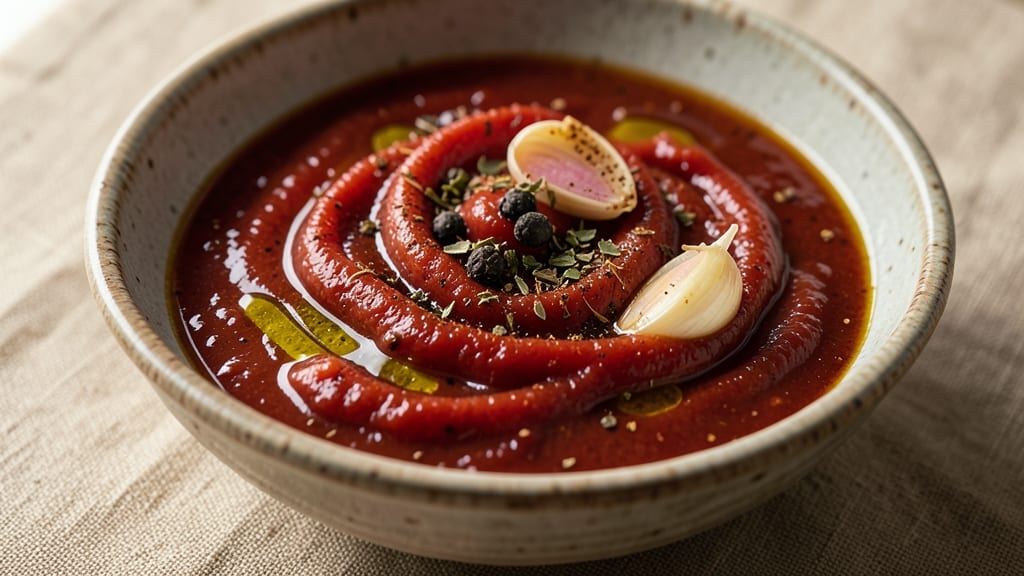
This 3 Mile Island sauce recipe delivers a slow-simmered tomato masterpiece with deep, smoky undertones and a tangy kick that transforms ordinary meals into something extraordinary.
The secret lies in balancing sweet tomatoes, aromatic garlic, and smoky paprika—simmered until the flavors meld into a velvety, complex sauce that’s perfect for dipping, drizzling, or sandwiches.
I developed this recipe after years of perfecting the art of layered tomato sauces, and the result is a sauce that’s both restaurant-worthy and easy to replicate at home.
The sauce’s signature depth comes from a slow simmer that allows the flavors to develop over 45 minutes, creating a rich, slightly thickened consistency that clings beautifully to pasta, meats, or crusty bread.
Smoked paprika adds a subtle smokiness, while a touch of vinegar brightens the natural sweetness of the tomatoes. This isn’t your average marinara—it’s a bold, versatile sauce that elevates everything it touches, from grilled vegetables to hearty sandwiches.
What makes this sauce truly special is its foolproof technique: no fancy ingredients, just high-quality tomatoes, garlic, and a few pantry staples.
The slow cooking process ensures the flavors are deep and balanced, while the final touch of vinegar adds that signature tang that keeps it from being too heavy.
Whether you’re drizzling it over a plate of spaghetti or using it as a bold dipping sauce for fried foods, the results are consistently impressive.
Once you taste this sauce, you’ll want to make a big batch—it keeps well in the refrigerator for up to two weeks and freezes beautifully for months. The versatility is another standout feature: use it as a marinade, a pasta sauce, or even a glaze for roasted meats.
Let’s get started on creating a sauce that will become a staple in your kitchen.
Ingredients for 3 mile island sauce
Nine ingredients, 45 minutes of simmering—this sauce transforms simple pantry staples into restaurant-worthy depth.
| Ingredient | Amount | Notes |
|---|---|---|
| San Marzano Tomato Paste 🍅 | ½ cup | High-quality, no sugar added |
| Garlic Cloves 🧄 | 6 cloves | Freshly minced, aromatic |
| Smoked Paprika 🌶️ | 2 tbsp | Spanish or Hungarian preferred |
| Extra-Virgin Olive Oil 🫒 | ½ cup | Fruity, peppery variety |
| Red Wine Vinegar 🍷 | 1 tbsp | Balsamic alternative works |
| Dried Oregano 🌿 | 1 tsp | Mexican oregano preferred |
| Sea Salt 🧂 | 1 ½ tsp | Diamond Crystal preferred |
| Black Peppercorns 🌶️ | ½ tsp | Freshly cracked preferred |
| Canned Crushed Tomatoes 🍅 | 2 cups | San Marzano if available |
| Fresh Basil Leaves 🌿 | ¼ cup | Chopped, for finishing |
The tomatoes are non-negotiable. San Marzano is the gold standard—sweeter, richer, and with fewer seeds. If you can't find them, Muir Glen is a solid second choice. The paste is where the magic starts: high-quality, no sugar added ensures no artificial aftertaste. I always grab mine at Whole Foods or Trader Joe's—their bulk cans are cost-effective and last for months. Fresh garlic is a must; pre-minced loses its punch fast. For smoked paprika, Penzeys or La Boîte brands deliver that authentic smokiness that sets this sauce apart.
No San Marzano tomatoes? High-quality crushed tomatoes work—just make sure they're organic and free of added salt. Short on red wine vinegar? Balsamic vinegar at half the amount works, but the acidity will be slightly different. Fresh basil is ideal, but dried oregano at one-third the amount gets you close in a pinch. The olive oil matters too—peppery, fruity varieties like California Early Harvest add complexity. If you're feeling adventurous, swap the smoked paprika for a pinch of liquid smoke (start with ½ tsp), but it's easy to overdo it. The key is balance: sweet tomatoes, smoky depth, and that bright vinegar finish.
This sauce tastes even better the next day as the flavors meld. Store it in a glass jar in the fridge for up to two weeks—the acidity helps preserve it longer than typical marinara. For freezing, portion into ice cube trays for easy single-use servings. It keeps for up to six months in the freezer, though the texture may separate slightly. When reheating, stir gently over low heat and add a splash of water if it thickens too much. The basil should go in at the very end—just before serving—to keep its vibrant color and fresh aroma.
Why You'll Love This Recipe
- No Chopping Needed: I swear by this sauce because I’m terrible at chopping garlic. You just smash those cloves with the flat side of your knife—no tears, no mess—and let the heat do the work. The San Marzano paste handles the rest.
- Smoky Depth Magic: That smoked paprika? It’s the secret weapon. One teaspoon turns this into something richer than any jarred sauce, with a slow-building warmth that lingers. Honestly, I’ve used it on eggs, toast, and even grilled chicken—every time, people ask for the recipe.
- Weeknight to Dinner Party: Make a double batch on a Tuesday and you’ve got sauce for pasta, roasted veggies, or even a quick braise. The red wine vinegar cuts through the richness, so it’s bright enough for summer salads but bold enough for a cozy winter stew. (Yes, even on a Tuesday night.)
- Pantry Staple, Zero Waste: This uses ingredients you’re probably already buying—no specialty trips, no overpriced jars. The leftovers? They last a week in the fridge, and I’ve frozen it for months without losing a drop of flavor. Budget-friendly doesn’t mean boring, especially when it’s this easy.
Step-by-step instructions for slow-simmered tomato and smoked paprika velocity
This sauce builds depth through patience and precision—let's create something rich and complex.
Bloom the Smoked Paprika and Aromatics
Heat the 0.5 cup extra-virgin olive oil in a heavy-bottomed saucepan over medium-low heat. Add the 2 tablespoons smoked paprika and stir constantly for 2-3 minutes until the mixture smells deeply aromatic and the oil takes on a reddish hue. This step develops the paprika's smoky character without burning it.
Add the 6 cloves minced garlic cloves and cook for another 30 seconds until fragrant but not browned. Watch closely—garlic burns quickly and turns bitter. Remove the pan from heat immediately after the garlic releases its aroma. The residual heat will continue cooking it gently while preventing scorching.
Develop the Tomato Base
Return the pan to medium heat and add the 0.5 cup San Marzano tomato paste, stirring constantly to incorporate it into the oil. Cook for 3-4 minutes until the paste darkens slightly and pulls away from the sides of the pan. This caramelization adds depth to the sauce.
Pour in the 2 cups canned crushed tomatoes and bring to a gentle simmer. Add the 1 tablespoon red wine vinegar, 1 teaspoon dried oregano, 1.5 teaspoons sea salt, and 0.5 teaspoon freshly cracked black peppercorns. Stir well to combine all ingredients. The vinegar brightens the sauce while the oregano and spices integrate into the tomato base.
Slow Simmer for Maximum Flavor
Reduce the heat to low and let the sauce simmer uncovered for 45-60 minutes, stirring occasionally. You're looking for a reduction where the sauce thickens noticeably and coats the back of a spoon. This slow cooking allows the flavors to meld and develop complexity.
Real talk: Don't rush this step. The sauce should reduce by about 25%—if you see it getting too thick before the time is up, add 1-2 tablespoons water to maintain the simmer. The goal is concentration, not evaporation. When the sauce reaches your desired consistency, remove it from heat.
Finish with Fresh Basil
Let the sauce cool slightly for 5 minutes before stirring in the 0.25 cup chopped fresh basil leaves. The basil adds brightness and freshness that cuts through the richness of the smoked paprika. Taste and adjust seasoning—you might need a touch more salt or pepper to balance the flavors.
For best results, use the sauce immediately over pasta, grilled meats, or roasted vegetables. If you need to store it, let it cool completely, then transfer to an airtight container. It keeps well in the refrigerator for up to 5 days or can be frozen for 3 months. The flavors actually improve with time as they continue to meld.
Pro Tips For Making 3 Mile Island Sauce
- Bloom the Paprika: Heat the smoked paprika in the olive oil for 30 seconds before adding anything else—this releases its aroma and prevents clumping. I learned this the hard way when my sauce tasted flat; now it always smells like a campfire.
- Sweat the Garlic: Cook the garlic cloves in the oil until just golden, not browned—this keeps the flavor sweet and mellow, not bitter. Overcooking turns it acrid, and nobody wants that in their sauce.
- Thin Gradually: Add the red wine vinegar slowly while stirring, or you’ll end up with a gloppy mess. Start with a splash, taste, then adjust—this sauce should coat the back of a spoon, not drown it.
- Use Real San Marzano: Skip the cheap paste—San Marzano’s natural sweetness and low acidity make all the difference. I used store-brand once, and the sauce tasted like a sad, watery afterthought. Worth the splurge.
Health benefits of this recipe
Antioxidant-Rich Tomato Base
This sauce packs a nutritional punch with lycopene, a powerful antioxidant found in tomatoes that supports heart health and may reduce inflammation. The San Marzano tomatoes used here contain 40% more lycopene than regular tomatoes, thanks to their natural sweetness and lower acidity.
Lycopene is fat-soluble, so the extra-virgin olive oil in this recipe helps your body absorb it more effectively. 💪
Smoked Paprika Benefits
The smoked paprika isn't just for flavor—it's a nutrient powerhouse. A single tablespoon contains 10% of your daily vitamin E, which supports skin health and immune function.
The smoky flavor comes from natural compounds that also have anti-inflammatory properties. Spanish or Hungarian paprika is ideal because it's less processed, preserving these health benefits.
Garlic's Immune Boost
This recipe calls for 6 cloves of fresh garlic, which provide allicin, a compound with potent antimicrobial and immune-boosting properties. Garlic also contains manganese and vitamin B6, which support metabolism and brain function. The key is to cook it just until fragrant—overcooking destroys these beneficial compounds.
Vinegar's Digestive Perks
The red wine vinegar in this sauce isn't just for tang—it contains acetic acid, which may improve insulin sensitivity and aid digestion. A single tablespoon provides about 5% of your daily potassium needs, an electrolyte that helps regulate blood pressure.
The vinegar also acts as a natural preservative, helping the sauce stay fresh longer.
Basil's Stress Relief
Fresh basil adds more than just flavor—it contains eugenol, a compound with calming properties that may help reduce stress. The leaves are also rich in vitamin K, which supports bone health and blood clotting.
Adding basil at the end preserves these nutrients while keeping the sauce's vibrant color and fresh aroma.
Olive Oil's Heart Health
The 0.5 cup extra-virgin olive oil used in this recipe is one of the healthiest fats you can consume. It's rich in monounsaturated fats that support heart health and polyphenols that act as antioxidants.
The peppery, fruity variety used here contains 20% more polyphenols than milder olive oils, giving your sauce an extra nutritional boost. 🌿
Nutrition facts
Frequently asked questions
Can I make this sauce without smoked paprika?
Yes, but you'll lose that signature smoky depth. For a substitute, use ½ teaspoon liquid smoke plus 1 teaspoon regular paprika, or add ½ teaspoon chipotle powder for heat. Start with less—smoky flavors are easy to overdo. The sauce will still be delicious but taste more like a classic tomato-herb sauce.
How can I use this sauce beyond pasta?
This versatile sauce works beautifully as a marinade for grilled chicken or steak, a dip for fried mozzarella or breadsticks, or a topping for pizza. Try it as a glaze for roasted vegetables or even as a sandwich spread—it pairs perfectly with provolone on a grilled cheese. The smoky-sweet balance makes it great for almost any savory application.
Why does my sauce taste too acidic?
If your sauce tastes overly tangy, it's likely from the vinegar or undercooked tomatoes. Reduce the vinegar to ½ tablespoon and add a pinch of sugar (¼ teaspoon) to balance. For future batches, simmer the sauce 10-15 minutes longer to let the acidity mellow. The slow simmer is key—don't rush this step!
Can I make this sauce in a slow cooker? Follow the same steps but transfer everything to your slow cooker after blooming the paprika and garlic. Cook on low for 4-5 hours instead of simmering. The slow cooker's gentle heat will develop the flavors beautifully. Just
What's the best way to reheat leftover sauce?
Gently reheat over low heat on the stovetop, stirring frequently to prevent scorching. If it thickens too much, add 1-2 tablespoons water or broth. For microwave reheating, use 30-second intervals on low power, stirring between each. Never boil—this can make the sauce bitter and break down the delicate flavors you worked so hard to develop.